
Published by Dr. Tatiana Nikolaeva
This article is educational and is not a substitute for medical advice. Always follow product labels and speak with a qualified health professional for personal health concerns.
What Is Bee Pollen?
Bee pollen is one of nature's most nutrient-dense foods. It's collected by honeybees as they forage on flowers, the bees gather plant pollen grains, mix them with a small amount of nectar and their own enzymes, and pack the result into tiny granules that they carry back to the hive on their legs.
In the hive, bee pollen serves as the primary protein source for the colony, feeding developing larvae and young worker bees. For humans, it has been used as a food supplement for thousands of years. Hippocrates prescribed it to patients, and ancient Egyptian and Chinese texts reference it as a health tonic.
Today, scientific analysis has confirmed what traditional cultures long understood: bee pollen contains an exceptionally broad spectrum of nutrients, earning it the reputation as "nature's most complete food."
Nutritional Profile: What's Inside Bee Pollen?
A comprehensive review published in Trends in Food Science & Technology (Thakur & Nanda, 2020) analysed over 100 studies and found that bee pollen contains, on average:
- Carbohydrates: 54% (including glucose, fructose, and sucrose)
- Protein: 21% (ranging from 10-40% depending on plant source)
- Lipids: 5% (including essential fatty acids)
- Fibre: 9%
- Minerals and ash: 3%
But the numbers alone don't tell the full story. What makes bee pollen remarkable is the diversity and bioavailability of its nutrients.
All Essential Amino Acids
Bee pollen contains all essential amino acids, the building blocks of protein that your body cannot produce on its own. These include leucine, lysine, threonine, histidine, valine, phenylalanine, methionine, isoleucine, and tryptophan. Research shows that these amino acids are highly bioavailable, meaning the body can absorb and use them efficiently.
Rich in B Vitamins
Bee pollen is a concentrated source of B-complex vitamins, which are essential for energy metabolism, nervous system function, and cellular health. It contains thiamin (B1), riboflavin (B2), niacin (B3), pantothenic acid (B5), pyridoxine (B6), biotin, and folic acid. It also contains vitamin C, vitamin E, and vitamin D precursors.
Minerals
The mineral content of bee pollen includes potassium (averaging 4,952 mg/kg), phosphorus (4,158 mg/kg), calcium (1,751 mg/kg), magnesium, iron, zinc, and selenium, all essential for bone health, muscle function, and immune support.
Antioxidants and Polyphenols
Bee pollen is loaded with antioxidant compounds, including polyphenols, flavonoids, and carotenoids. These compounds help protect against oxidative damage caused by free radicals, which contributes to ageing and chronic disease. The total phenolic content averages around 30.59 mg GAE/g, a significant concentration that rivals many well-known antioxidant-rich foods.
Researched Health Benefits
Immune System Support
Multiple studies have demonstrated bee pollen's immunostimulatory effects. It can help modulate immune response, supporting the body's natural defences without overstimulating the immune system. This makes it valuable for maintaining general resilience, particularly during seasonal changes.
Supporting a Normal Inflammatory Response
Research published in the Journal of Drug Research in Ayurvedic Sciences (2024) confirmed that bee pollen exhibits significant inflammatory-response-supporting activity. The flavonoids and phenolic compounds in bee pollen can help modulate inflammatory pathways, potentially benefiting conditions involving chronic low-grade inflammation.
Antioxidant Protection
The antioxidant compounds in bee pollen, including polyphenols, flavonoids, and carotenoids, help protect cells from oxidative damage. This is relevant to cardiovascular health, skin health, and general ageing processes. As noted by University Hospitals, bee pollen's antioxidant profile may help reduce the risk associated with oxidative stress.
Seasonal Allergy Support
Some naturopathic practitioners recommend local bee pollen to help manage mild seasonal allergies. The theory is that gradual exposure to small amounts of local pollen may help the body build tolerance. While clinical evidence is still limited, many people report reduced allergy symptoms when using bee pollen before and during allergy season. It's important to start with very small amounts if you have pollen sensitivities.
Energy and Vitality
Bee pollen's combination of natural carbohydrates, B vitamins, and protein makes it a natural energy supporter. Unlike caffeine or refined sugar, bee pollen provides a more sustained energy release, making it popular among athletes and those seeking a natural vitality boost.
How to Use Bee Pollen
Forms Available
- Raw granules: The most natural form. Can be sprinkled on smoothies, yoghurt, or cereal
- Capsules: Convenient for consistent daily supplementation
- Extracts: Concentrated liquid form for easy absorption
Suggested Use
If you're new to bee pollen, start with a small amount (1/4 teaspoon or less) to check for any sensitivity. Gradually increase to 1-2 teaspoons daily for granules, or follow the label directions for capsules and extracts.
Best taken in the morning or early afternoon for an energy boost. Can be added to smoothies, mixed into honey, or taken straight.
Quality Matters: New Zealand Bee Pollen
The nutritional profile of bee pollen varies significantly depending on the plant sources available to the bees and the environment in which they forage. New Zealand's clean, diverse flora and low-pollution environment produce bee pollen with an exceptionally rich and varied nutrient profile.
When choosing a bee pollen supplement, look for:
- Products sourced from clean, pesticide-free environments
- Proper storage and handling (bee pollen should be kept cool to preserve nutrients)
- A reputable manufacturer with quality testing and traceability
Safety Considerations
- Bee allergies: If you are allergic to bee stings, consult your healthcare provider before using bee pollen
- Pollen allergies: Those with severe pollen allergies should exercise caution and start with very small amounts
- Blood thinners: Bee pollen may interact with blood-thinning medications, consult your doctor
- Pregnancy and breastfeeding: Consult your healthcare provider before use
- Immune-compromised individuals: Should consult their doctor before using bee pollen supplements
The Bottom Line
Bee pollen is one of nature's most nutritionally complete foods, containing a remarkable range of proteins, vitamins, minerals, and antioxidants. While more human clinical trials are needed to fully validate all claimed benefits, the existing body of research, combined with centuries of traditional use, makes a compelling case for bee pollen as a natural nutritional supplement.
As with any supplement, quality matters. Choose bee pollen from clean New Zealand sources, start slowly, and consult your healthcare provider if you have any underlying health conditions.
About the author
Dr. Tatiana Nikolaeva
Co-founder & Product Researcher, ApiHealth NZ
Dr. Tatiana Nikolaeva works alongside the ApiHealth research team in New Zealand, focusing on natural formulations across the company’s bee-derived wellness and skincare ranges. She writes on Manuka honey, bee pollen and everyday natural wellness.
More about the ApiHealth teamKey Ingredients
Featured Products
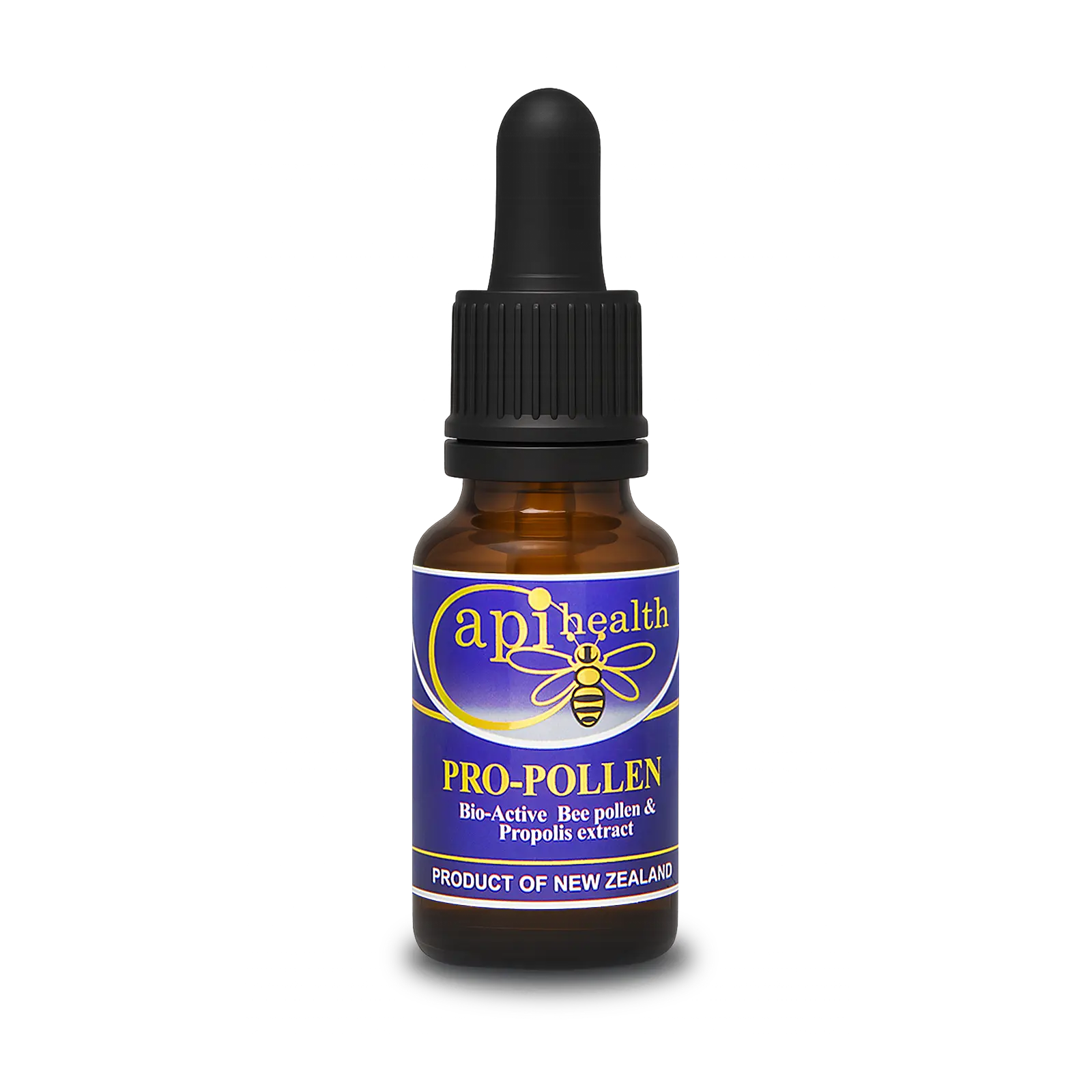
Pro-Pollen Extract
Concentrated bee pollen and propolis liquid extract to support immunity and healthy digestion.
$25.00
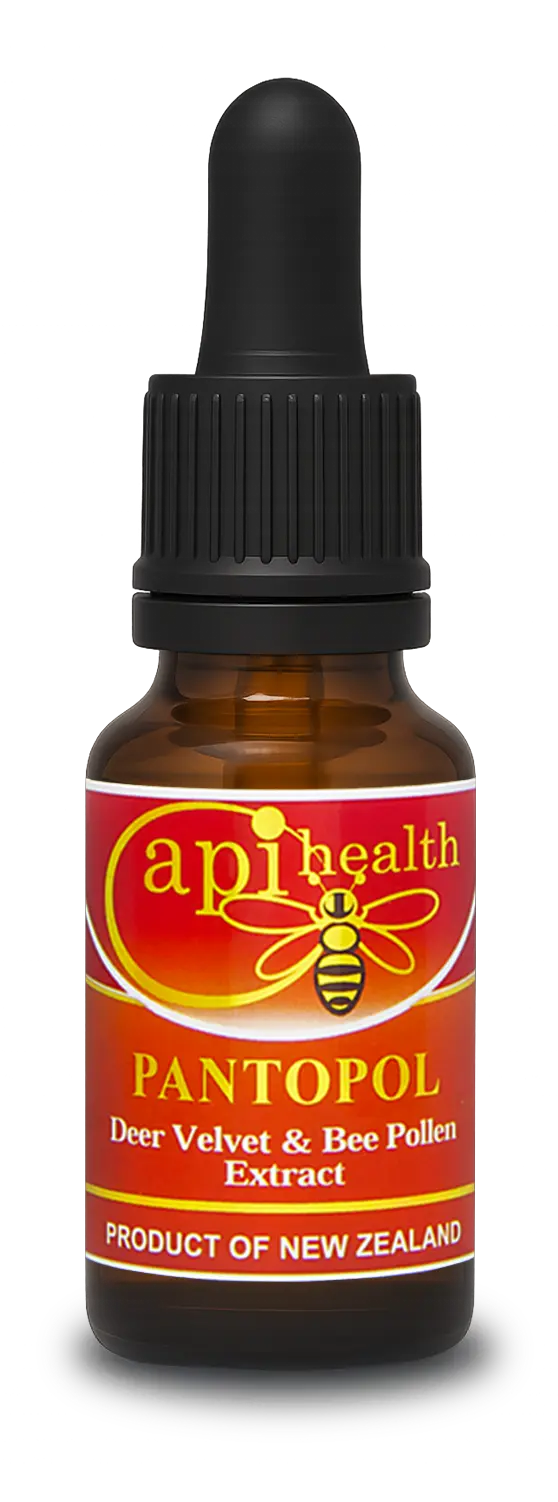
Pantopol - Deer Velvet & Bee Pollen Extract
Deer velvet and bee pollen liquid extract to support energy, stamina and overall vitality.
$25.00
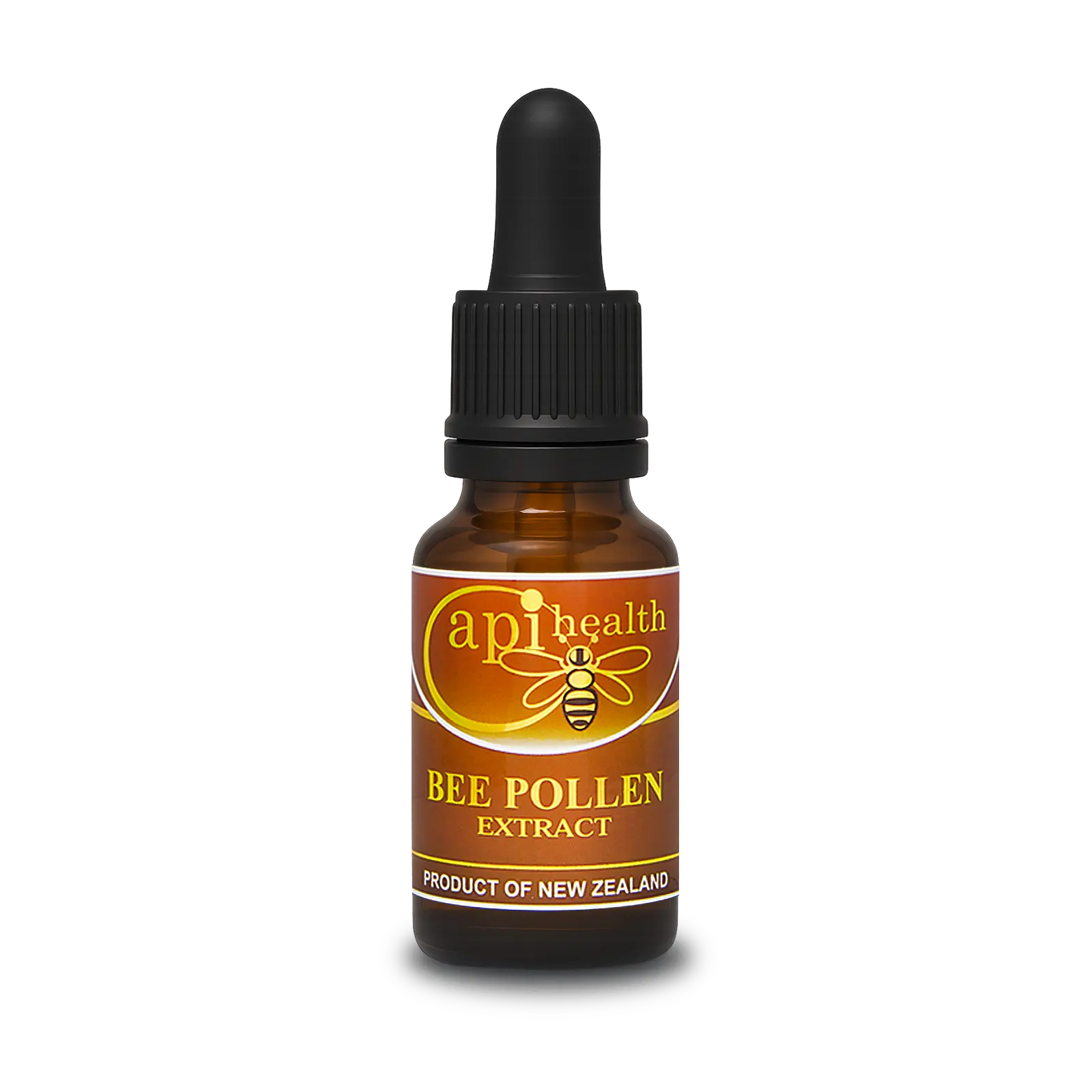
Bee Pollen Extract
Concentrated liquid extract designed for easy, drop-by-drop wellness support.
$20.00
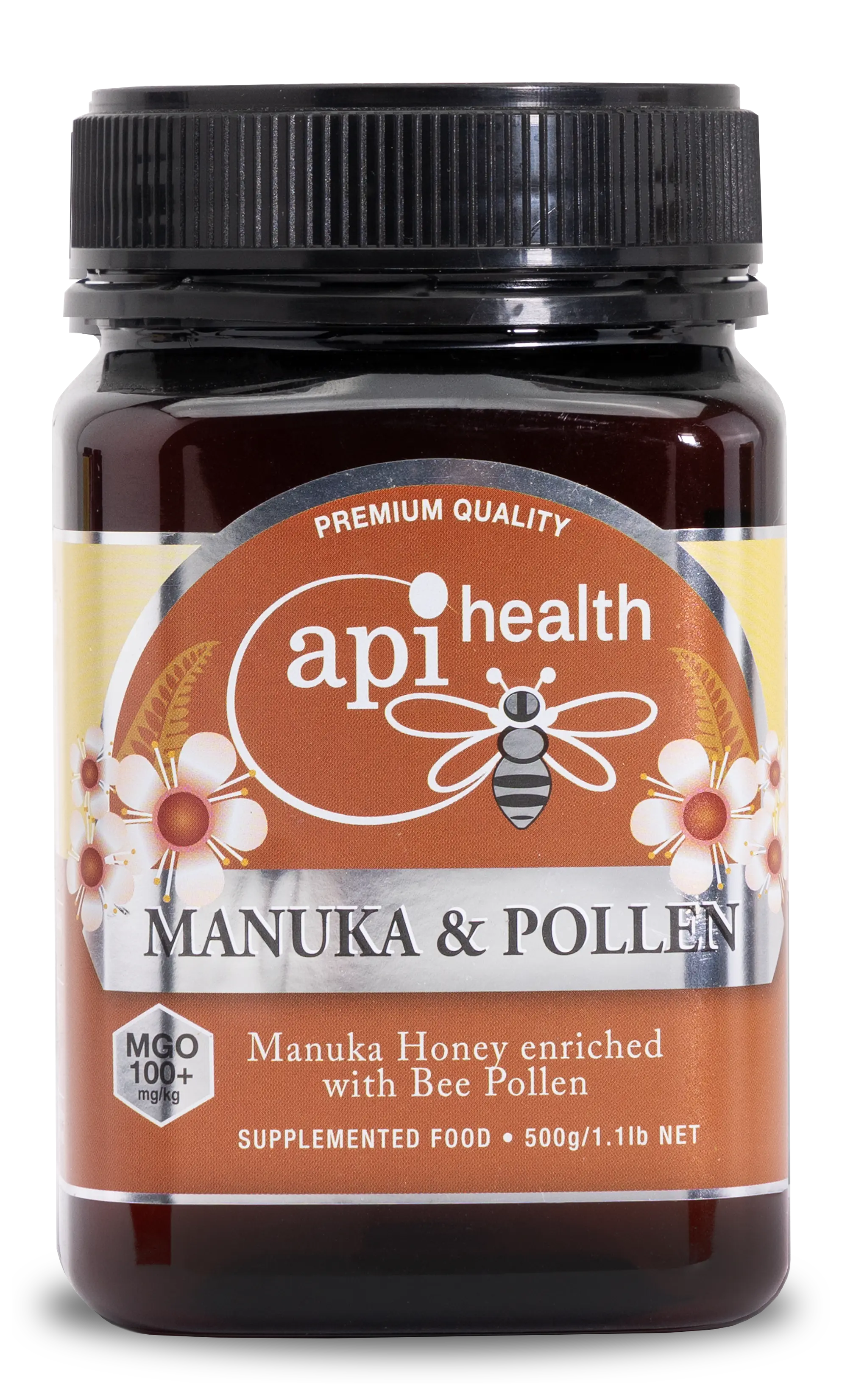
Manuka & Pollen
A Manuka honey formula with bee pollen to support daily nourishment, natural vitality and overall wellbeing.
$22.00
Related Articles
View all
Bee Products for Longevity: How Manuka Honey, VENZ™, Propolis and Royal Jelly Support Healthy Ageing
Manuka honey, bee venom, propolis and royal jelly are often grouped together as bee products for longevity. Here is what the science says about each one.
Bee Products for Women's Health: What the Science Suggests
A simple, science-aware guide to bee products for women's health: royal jelly, bee pollen and propolis for hormonal balance, energy and daily wellness.
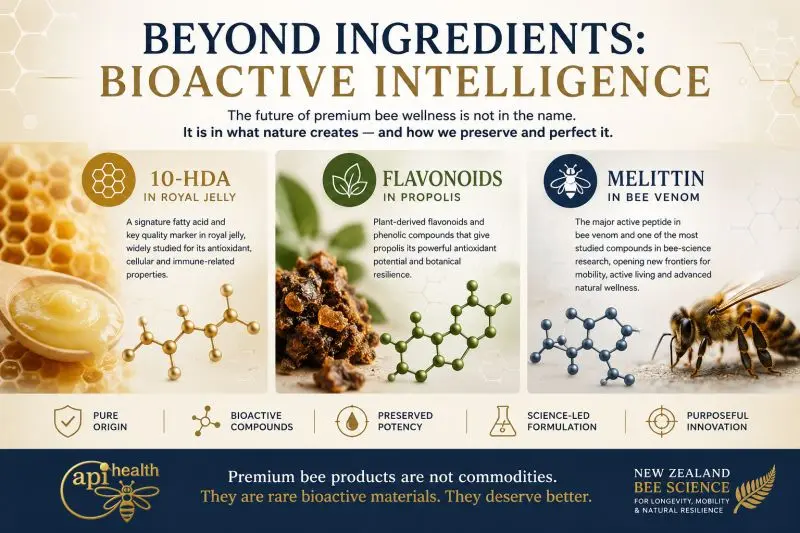
Beyond Ingredients: The Bioactive Compounds in Bee Products
A clear look at the bioactive compounds in bee products: 10-HDA in royal jelly, flavonoids in propolis, and melittin in bee venom, and why preservation matters.
Shop ApiHealth
Ready to bring the hive home?
Explore our New Zealand-made Manuka honey, VENZ bee venom, propolis and natural wellness range, crafted by our family of beekeepers and researchers.
