
Published by Dr. Tatiana Nikolaeva
It Starts With the Manuka Tree
Manuka honey begins with a single plant: Leptospermum scoparium, known in New Zealand as the Manuka tree (or tea tree). This hardy native shrub grows across New Zealand's landscapes, from coastal cliffs to rugged mountain valleys and remote bush areas. It thrives in conditions where other plants struggle: poor soils, exposed hillsides, and regenerating farmland.
Each spring and summer (November through January in the Southern Hemisphere), Manuka trees burst into bloom with small white or pink flowers. But here's what makes Manuka honey so rare: the flowering window lasts only 2 to 6 weeks, depending on the weather. A single period of heavy rain or strong winds can wipe out the season's bloom in a region, meaning bees, and beekeepers, have a very narrow window to work with.
Beekeeping in Remote Landscapes
Unlike mass-produced honey, Manuka honey is rarely harvested near cities or agricultural farmland. Many hives are placed in remote bush locations, often accessible only by four-wheel drive, hiking tracks, or even helicopter. This isolation is intentional, it helps ensure that bees are foraging primarily on Manuka flowers rather than mixing nectar from other plant sources.
Beekeepers monitor their hives closely during the flowering season, balancing honey production with the wellbeing of the bees. Healthy, strong colonies are essential for producing high-quality Manuka honey year after year. The bees must work quickly during the short bloom, and a single foraging trip can see a worker bee visiting over a hundred Manuka flowers.
From Nectar to Honey Inside the Hive
When forager bees return to the hive with Manuka nectar, the transformation begins. House bees receive the nectar and begin processing it, adding enzymes and passing it between bees in a chain. This process alters the honey's pH and chemical composition.
The bees then spread the nectar across honeycomb cells to increase surface area and fan their wings continuously to create airflow. This reduces the moisture content from roughly 80% down to below 20%, turning thin nectar into thick, stable honey. Once dried, the honey is sealed with a beeswax cap, nature's own preservation system.
During this ripening process, something remarkable happens: dihydroxyacetone (DHA) naturally present in the Manuka nectar begins converting into methylglyoxal (MGO): the compound responsible for Manuka honey's unique antibacterial properties. This conversion continues over time, which is why Manuka honey's MGO levels can increase as it matures.
Harvesting and Extraction
Once the flowering season ends, beekeepers carefully harvest the honey. Frames of capped honeycomb are removed from the hives and transported to extraction facilities. Throughout this process, traceability is critical: knowing exactly where each batch of honey came from, when it was harvested, and how it was handled.
At the extraction facility, the honey is gently removed from the comb. Quality producers avoid excessive heat or heavy processing that could damage the honey's natural compounds. The honey is lightly churned to achieve a smooth, creamy consistency, but remains raw and unpasteurised.
Manuka honey has a unique physical property: it is thixotropic, meaning it behaves like a gel when still but flows when agitated. This can make extraction more challenging than with regular honey, requiring careful handling and gentle warming to maintain flow without compromising quality.
Testing and Certification: How Authenticity Is Verified
Not all honey labelled "Manuka" is genuine. New Zealand's Ministry for Primary Industries (MPI) has established a strict scientific definition that authentic Manuka honey must meet before it can be exported. This includes:
- Chemical markers: Specific compounds that must be present at defined levels
- DNA testing: Confirming the honey contains DNA from Leptospermum scoparium pollen
Beyond the MPI definition, the UMF (Unique Manuka Factor) grading system provides an additional layer of quality assurance. UMF measures four key compounds:
- MGO (Methylglyoxal): The primary antibacterial compound, used for potency grading
- DHA (Dihydroxyacetone): MGO's precursor, confirms freshness and future potency
- Leptosperin: A chemical marker unique to genuine Manuka honey
- HMF (Hydroxymethylfurfural): An indicator of freshness and proper storage
Every batch undergoes independent laboratory testing by accredited facilities. This rigorous process protects consumers and ensures that genuine New Zealand Manuka honey maintains its global reputation.
From Testing to Your Table
Once testing confirms the honey's authenticity and grade, it is carefully jarred and labelled. Each jar carries its UMF grade, from UMF 5+ through to UMF 25+, giving consumers clear information about potency.
The entire journey from flower to jar can span several months, with much of that time devoted to testing and verification. It's a process built on patience, transparency, and respect for both the bees and the natural environment they work in.
What Makes ApiHealth's Approach Different
At ApiHealth, every batch of our Manuka honey is independently tested and verified to meet UMF standards. We work with New Zealand beekeepers who place their hives in remote, pristine locations to ensure the highest quality nectar sources. Our honey is minimally processed, never heated beyond what's needed for gentle extraction, to preserve the natural compounds that make Manuka honey special.
When you open a jar of ApiHealth Manuka honey, you're tasting the result of a process that begins with a single flower in New Zealand's remote bush and passes through multiple quality checkpoints before it reaches you.
Understanding the Grades
The UMF number on your jar directly reflects the MGO content verified through independent testing:
- UMF 5+ (MGO 83+): Great for daily use, cooking, and general wellness
- UMF 10+ (MGO 263+): A step up for immune support and everyday health
- UMF 15+ (MGO 514+): Popular for targeted health benefits
- UMF 20+ (MGO 829+): High potency for wellness use
- UMF 25+ (MGO 1200+): Our premium grade with exceptional antibacterial strength
Every jar tells a story of New Zealand's unique landscape, its native flora, and the remarkable partnership between bees and the Manuka tree.
About the author
Dr. Tatiana Nikolaeva
Co-founder & Product Researcher, ApiHealth NZ
Dr. Tatiana Nikolaeva works alongside the ApiHealth research team in New Zealand, focusing on natural formulations across the company’s bee-derived wellness and skincare ranges. She writes on Manuka honey, bee pollen and everyday natural wellness.
More about the ApiHealth teamFeatured Products
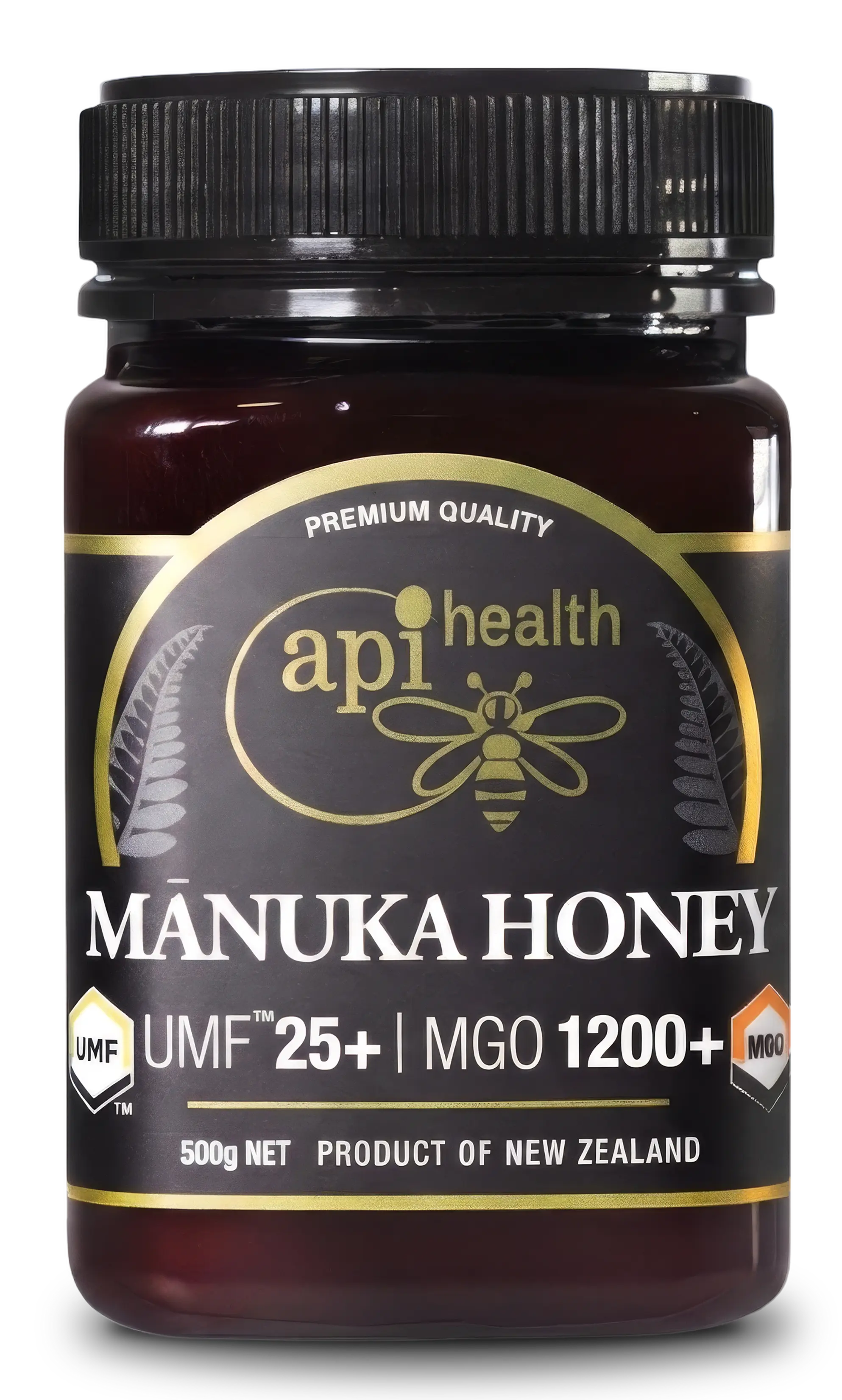
Manuka Honey UMF 25+
Premium New Zealand Manuka honey UMF 25 for everyday wellness and natural support.
$300.00
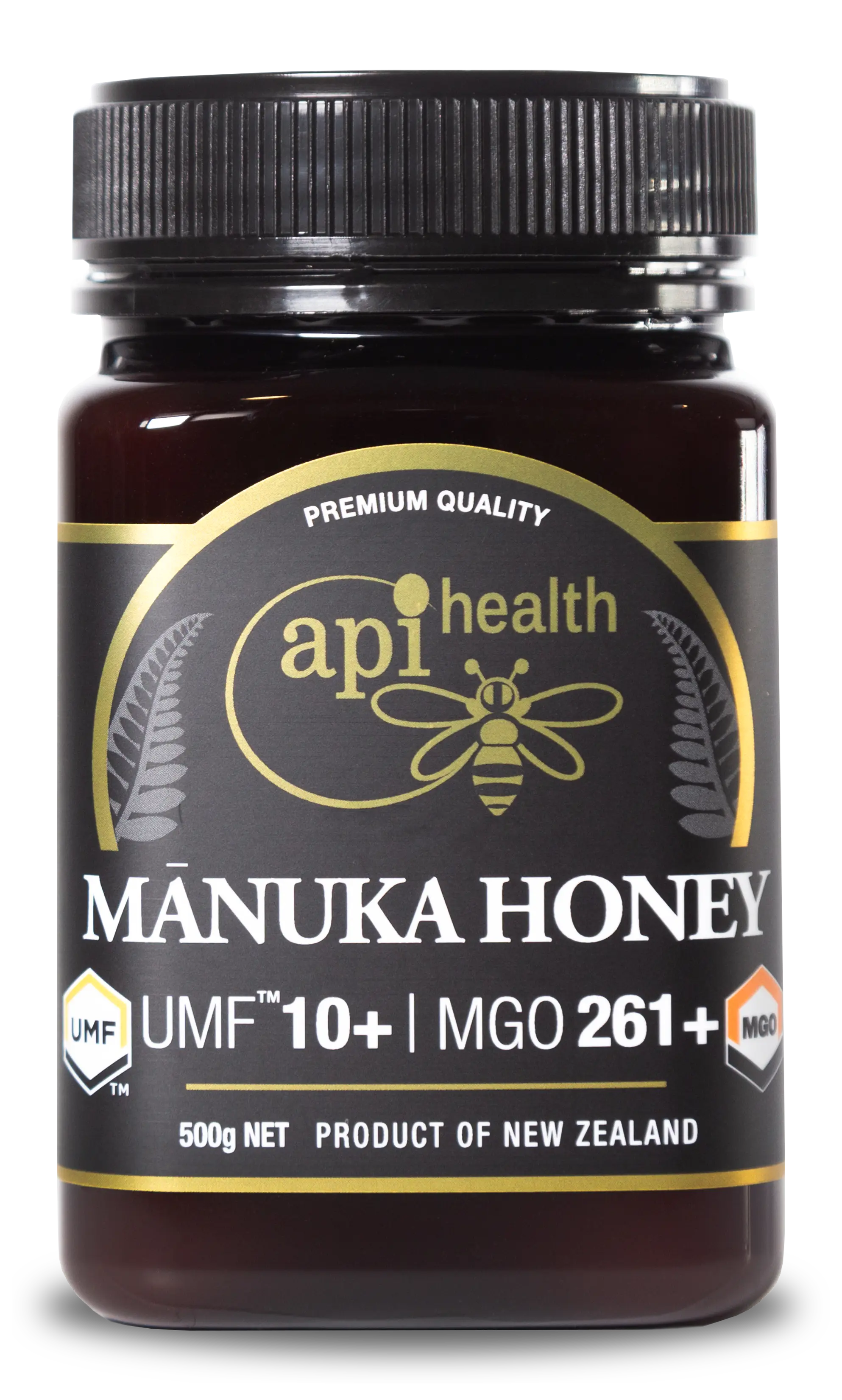
Manuka Honey UMF 10+
Premium New Zealand Manuka honey UMF 10 for everyday wellness and natural support.
$29.00
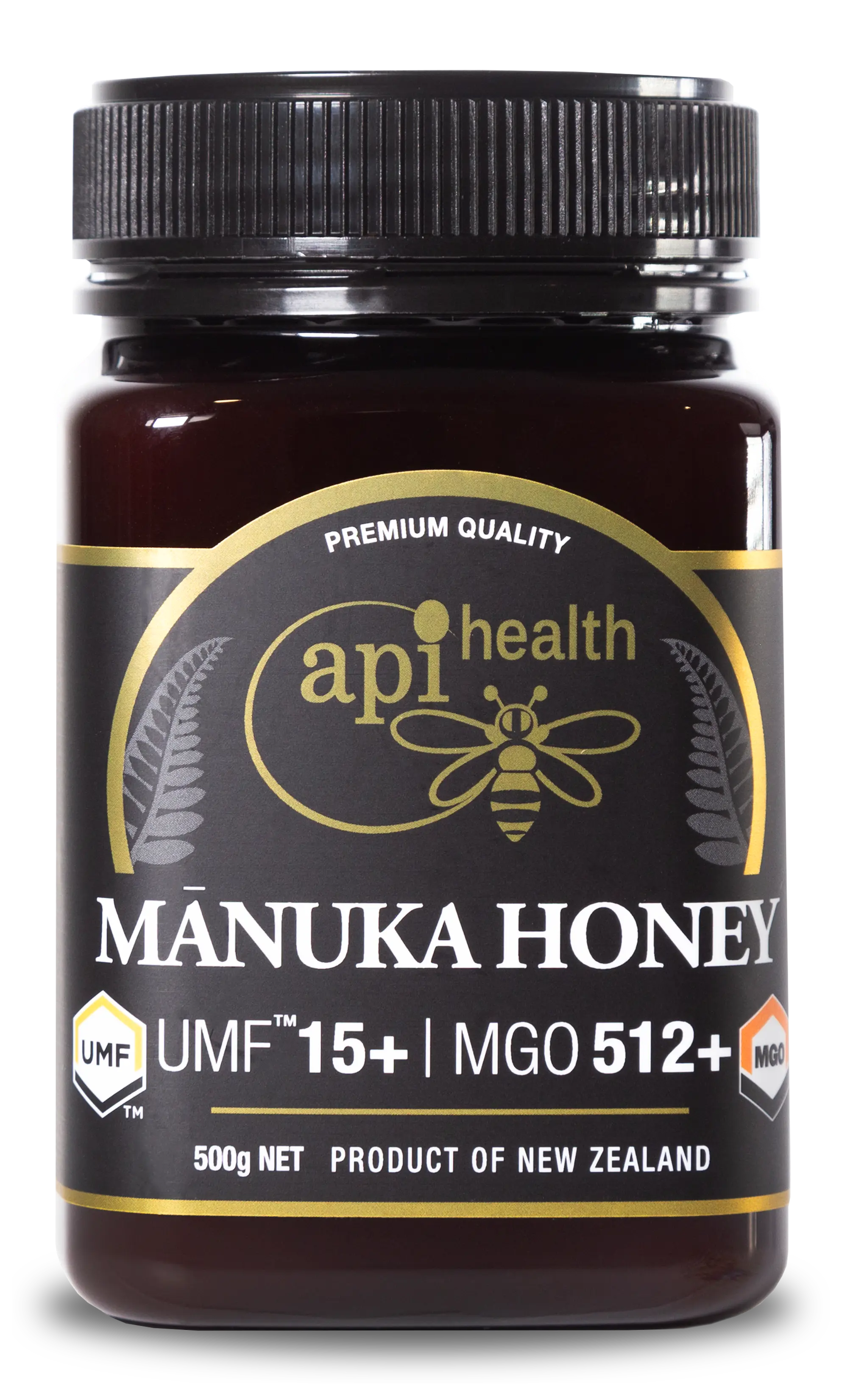
Manuka Honey UMF 15+
Premium New Zealand Manuka honey UMF 15 for everyday wellness and natural support.
$70.00
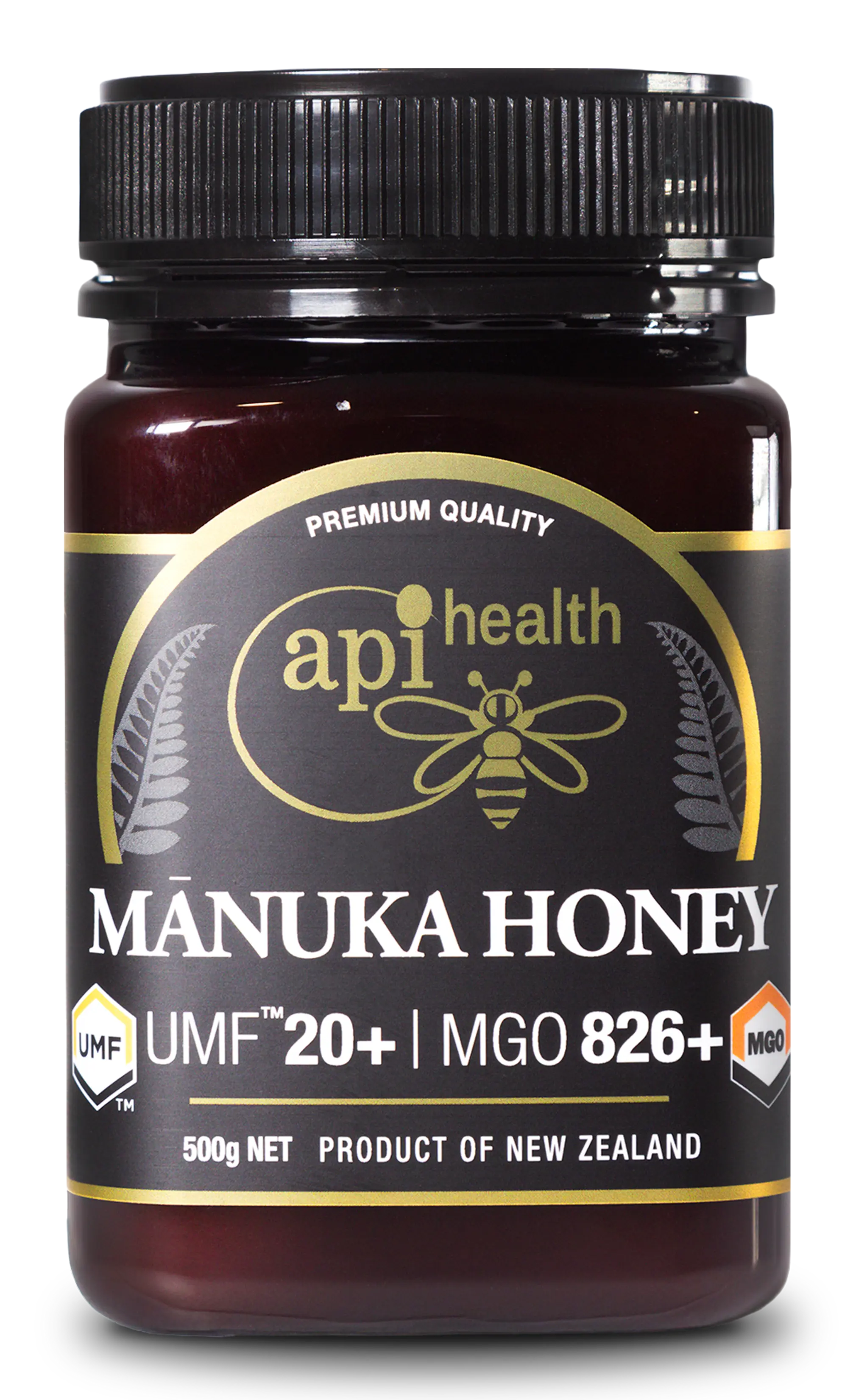
Manuka Honey UMF 20+
Premium New Zealand Manuka honey UMF 20 for everyday wellness and natural support.
$75.00
Related Articles
View all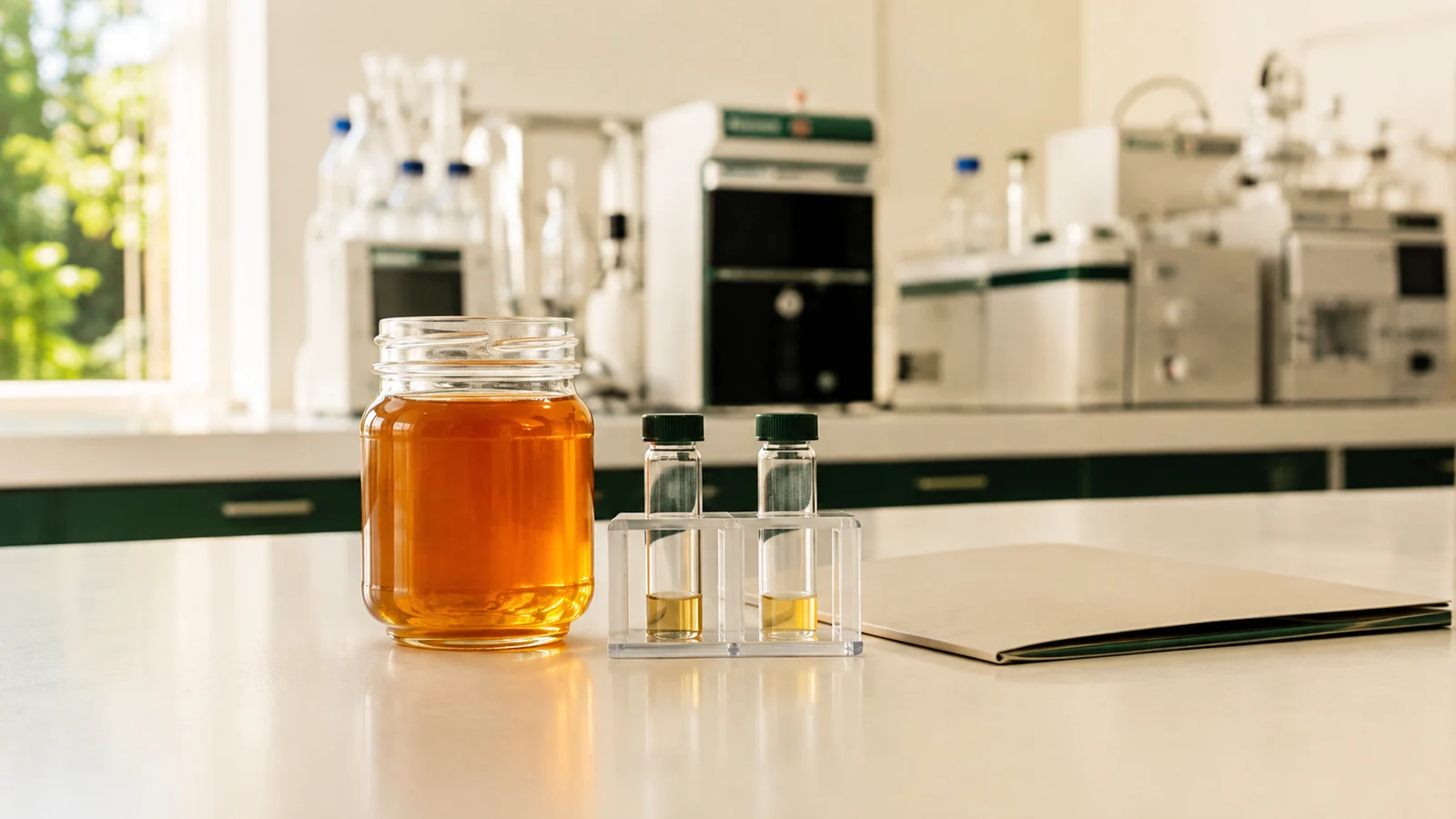
Tutin Testing in New Zealand Honey: What It Means and How to Read a Lab Certificate
Understand tutin testing in New Zealand honey, the safety limit and lab report symbols. Learn what to check and how it differs from UMF and MGO grading.
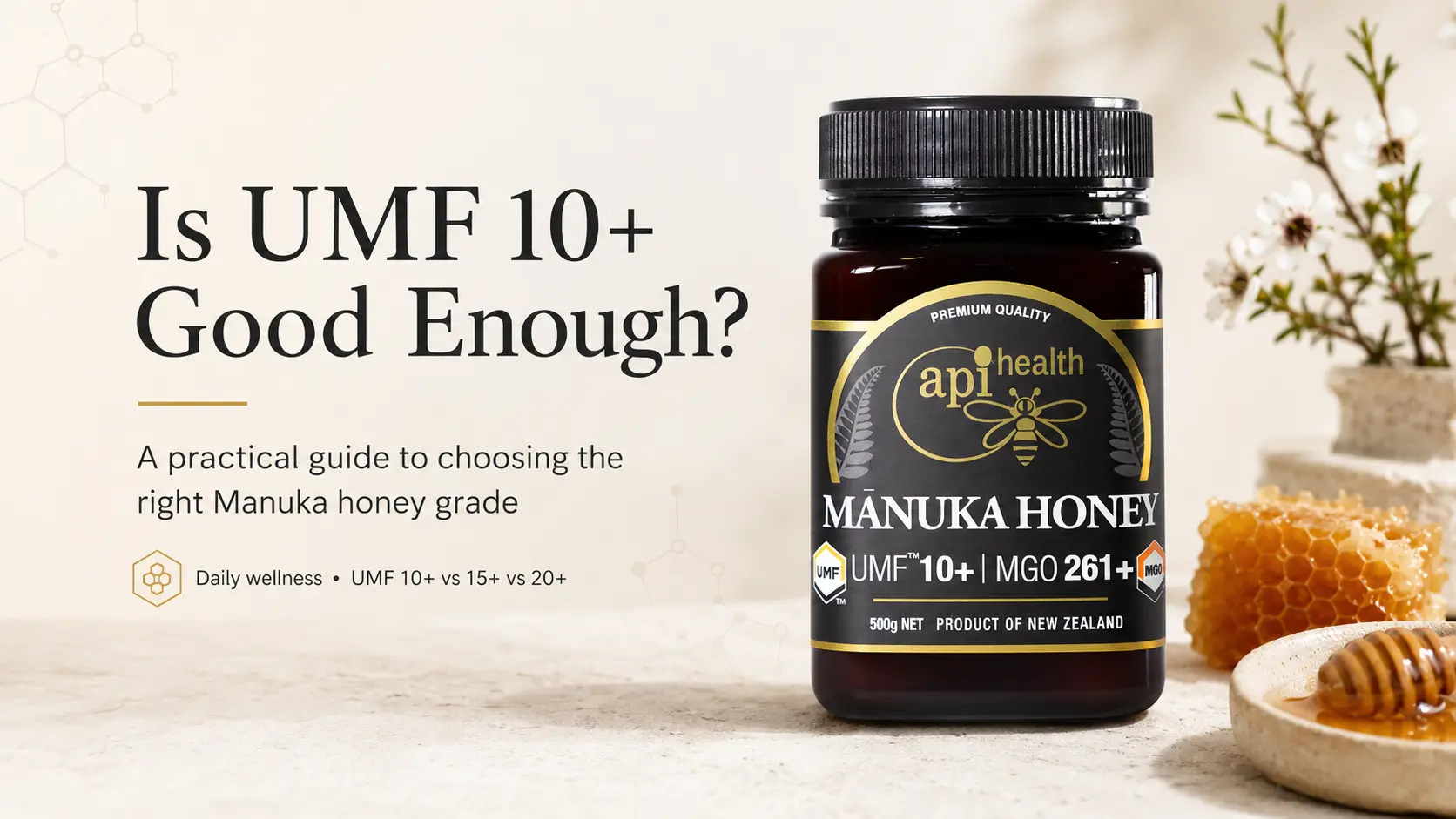
Is UMF 10+ Good Enough? When to Upgrade (and When It Is Not)
UMF 10+ is the everyday Manuka grade most people actually need. Here is when stepping up to UMF 15+ or 20+ is worth it, and when an upgrade is just money spent.
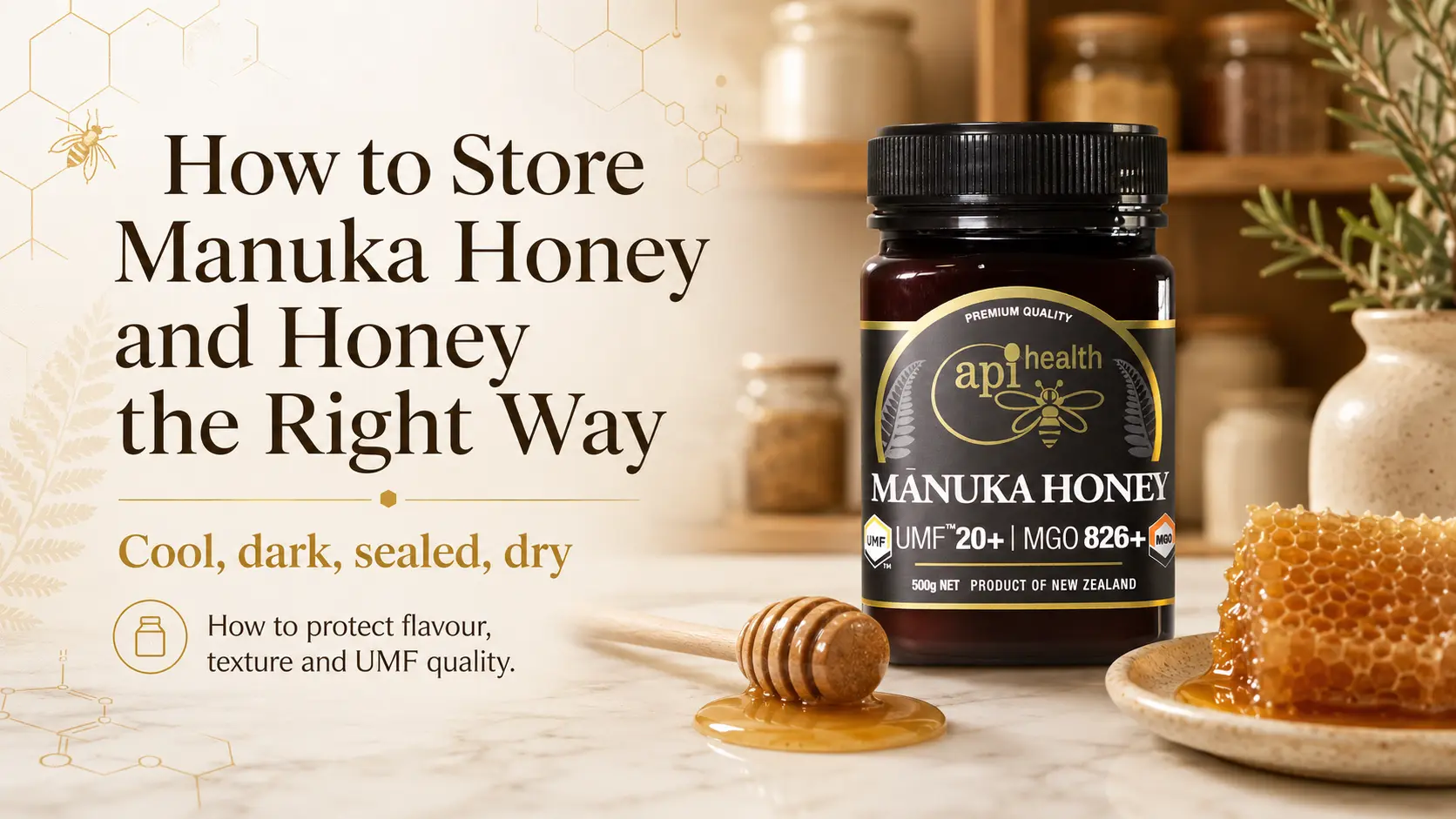
How to Store Manuka Honey and Honey the Right Way
Store Manuka honey and everyday honey in a cool, dark cupboard with the lid sealed. Learn what to avoid, how to fix crystals, and how to protect UMF quality.
Shop ApiHealth
Ready to bring the hive home?
Explore our New Zealand-made Manuka honey, VENZ bee venom, propolis and natural wellness range, crafted by our family of beekeepers and researchers.
