

Published by Dr. Nikolai Nikolaev
Quick answer: Authentic New Zealand Manuka honey should be traceable, tested, and clearly labelled with recognised markers such as UMF or MGO. ApiHealth supports verification through UMF licensing, batch quality controls, and New Zealand origin transparency.
To verify Manuka honey is authentic, check four things: a UMF trademark from a licensed producer, a batch number that traces to an independent lab certificate, compliance with New Zealand's MPI Manuka honey definition, and confirmed New Zealand origin. If any of these are missing, the honey may not be genuine.
The global Manuka honey market has a well-known authenticity problem. By some estimates, more Manuka honey is sold worldwide each year than New Zealand actually produces. This guide shows you exactly how to verify what you're buying is the real thing.
The Authenticity Problem
Manuka honey commands premium prices, UMF 15+ can cost $40-80+ per jar, which creates a strong incentive for fraud. Common issues include:
- Blending: mixing a small amount of genuine Manuka with cheaper honey and labelling the whole jar as Manuka
- Mislabelling grades: labelling honey as a higher UMF or MGO than it actually is
- Synthetic MGO: adding artificial methylglyoxal to boost apparent MGO ratings
- Non-Manuka honey: selling entirely different honey varieties as "Manuka"
- Vague labelling: using unregulated terms like "Active" or "Bio Active" to imply Manuka properties without certification
The New Zealand government and the UMFHA have both taken steps to combat this, but consumers still need to know what to look for.
Step 1: Look for the UMF Trademark
The UMF (Unique Manuka Factor) trademark is the gold standard for Manuka honey authentication. It's managed by the UMFHA and can only be used by licensed producers who:
- Are based in New Zealand
- Submit every batch for independent laboratory testing
- Meet strict quality and traceability standards
- Are subject to regular audits
The UMF mark on a jar means the honey has been tested for MGO, DHA, leptosperin, and HMF, confirming both potency and authenticity. You can verify a producer's licence on the UMFHA member directory.
Step 2: Check the Batch Number
Every jar of quality Manuka honey should have a batch number or lot number on the label. This number links the jar to a specific production batch that has been tested.
Reputable producers let you verify this batch number online. At ApiHealth, you can enter your batch number on our certificate verification page to view the actual Hill Laboratories test results for your jar, including MGO, DHA, leptosperin, and HMF levels.
Red flag: If the jar has no batch number, or the producer has no way to verify it, proceed with caution.
Step 3: Verify MPI Compliance
New Zealand's Ministry for Primary Industries (MPI) established a legal definition for Manuka honey in 2017. For honey to be exported from NZ as "Manuka", it must pass MPI's scientific test, which checks for:
- Four chemical markers from Manuka nectar
- One DNA marker confirming Manuka pollen presence
This is a separate requirement from UMF grading. MPI compliance confirms the honey meets New Zealand's legal export standard for Manuka. UMF grading goes further by certifying the quality and potency level.
If the honey was exported from New Zealand, it should comply with MPI standards. If it was "packed" elsewhere, there's no guarantee it passed this test.
Step 4: Confirm New Zealand Origin
Genuine Manuka honey comes from New Zealand (the Manuka tree, Leptospermum scoparium, is native to NZ). While related species exist in Australia, the UMF system and MPI definition apply specifically to New Zealand Manuka.
Check the label for:
- "Product of New Zealand" or "Made in New Zealand"
- "Packed in New Zealand": this matters because honey shipped in bulk and repacked elsewhere is harder to verify
- The producer's New Zealand address or company details
Step 5: Be Wary of Unregulated Labels
Not all ratings on Manuka honey jars are equal. Know the difference:
| Label | Regulated? | What It Means |
|---|---|---|
| UMF 10+, 15+, 20+ | Yes. UMFHA trademark | Independently tested for MGO, DHA, leptosperin, HMF |
| MGO 250+, 550+ | Partially, measures one compound | Confirms MGO level, but doesn't verify Manuka authenticity |
| "Active" or "Bio Active" | No | Unregulated marketing term, could mean anything |
| "Total Activity" | No | Measures general antibacterial activity (including peroxide activity found in all honey) |
| "K Factor" | Proprietary | A brand-specific rating, not independently standardised |
Verification Checklist
Before you buy, run through this quick checklist:
- Does it have the UMF trademark? (Check the UMFHA directory to confirm the producer is licensed)
- Is there a batch number on the jar? (Can you verify it on the producer's website?)
- Does the label say "Product of New Zealand" or "Packed in New Zealand"?
- Is the producer identified with a company name and NZ address?
- Does the price seem realistic? (Genuine UMF 15+ rarely sells for under $30-40 NZD)
If you can answer yes to all five, you're almost certainly holding genuine, certified Manuka honey.
Related ApiHealth Guides
Frequently Asked Questions
Can I verify Manuka honey at home?
Not reliably. Home "tests" like the water test or thumb test can indicate general honey quality but cannot verify Manuka-specific properties like MGO content or leptosperin presence. The only reliable verification is independent laboratory testing, which is why UMF certification and batch traceability exist.
Is Australian Manuka honey real?
Australia has Leptospermum species related to NZ Manuka, and Australian producers do make honey from these trees. However, the UMF grading system and NZ MPI definition apply only to New Zealand Manuka. Australian Manuka operates under different (and less established) authentication standards.
Why is fake Manuka honey such a big problem?
Demand far exceeds supply. New Zealand produces approximately 1,700 tonnes of Manuka honey per year, but an estimated 10,000+ tonnes are sold globally as "Manuka." The price premium makes fraud financially attractive, particularly in markets far from New Zealand where verification is harder.
What happens if I buy fake Manuka honey?
You'll likely get a regular honey, which is safe to eat but won't have the therapeutic properties you're paying for. In rare cases, adulterated honey may contain added sugars or synthetic compounds. The risk isn't health danger, it's paying premium prices for an ordinary product.
How does ApiHealth ensure authenticity?
Every batch of our Manuka honey is independently tested by Hill Laboratories, one of New Zealand's most trusted testing facilities. We hold a current UMFHA licence, comply with MPI export standards, and let you verify your batch certificate online. Everything is sourced, tested, and packed in New Zealand.
The Bottom Line
UMF trademark + batch number + lab certificate + NZ origin = genuine Manuka honey. If any piece is missing, question it. The certification systems exist specifically because authenticity matters, use them.
Verify your ApiHealth batch certificate: enter your batch number and view the Hill Laboratories test results for your jar.

About the author
Dr. Nikolai Nikolaev
Founder & Lead Researcher, ApiHealth NZ
Dr. Nikolai Nikolaev founded ApiHealth in New Zealand and has spent more than 25 years researching bee-derived health products. He pioneered the company’s patented VENZ bee venom collection technology and leads its work on apitherapy, Manuka honey and propolis.
More about the ApiHealth teamKey Ingredients
Featured Products
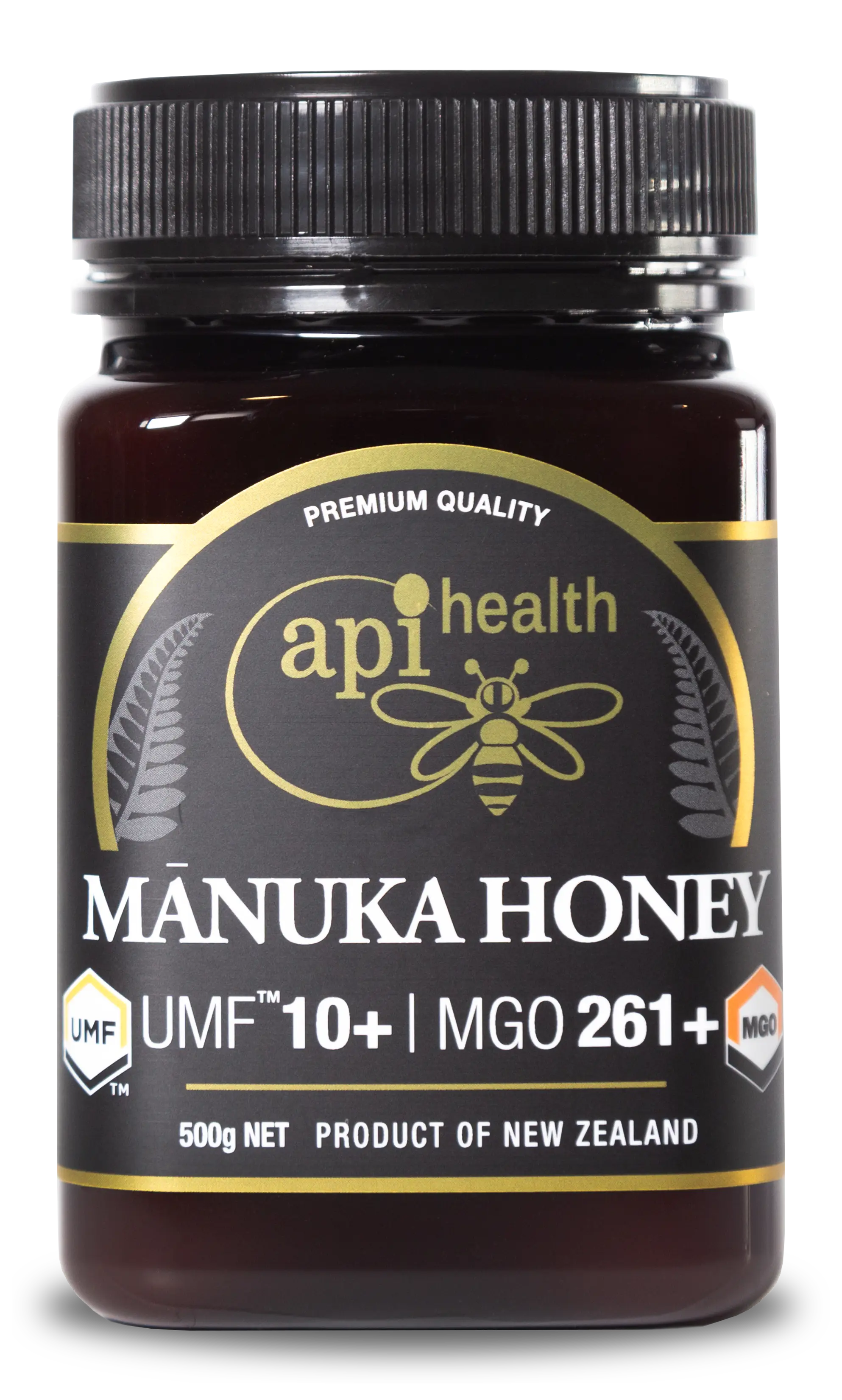
Manuka Honey UMF 10+
Premium New Zealand Manuka honey UMF 10 for everyday wellness and natural support.
$29.00
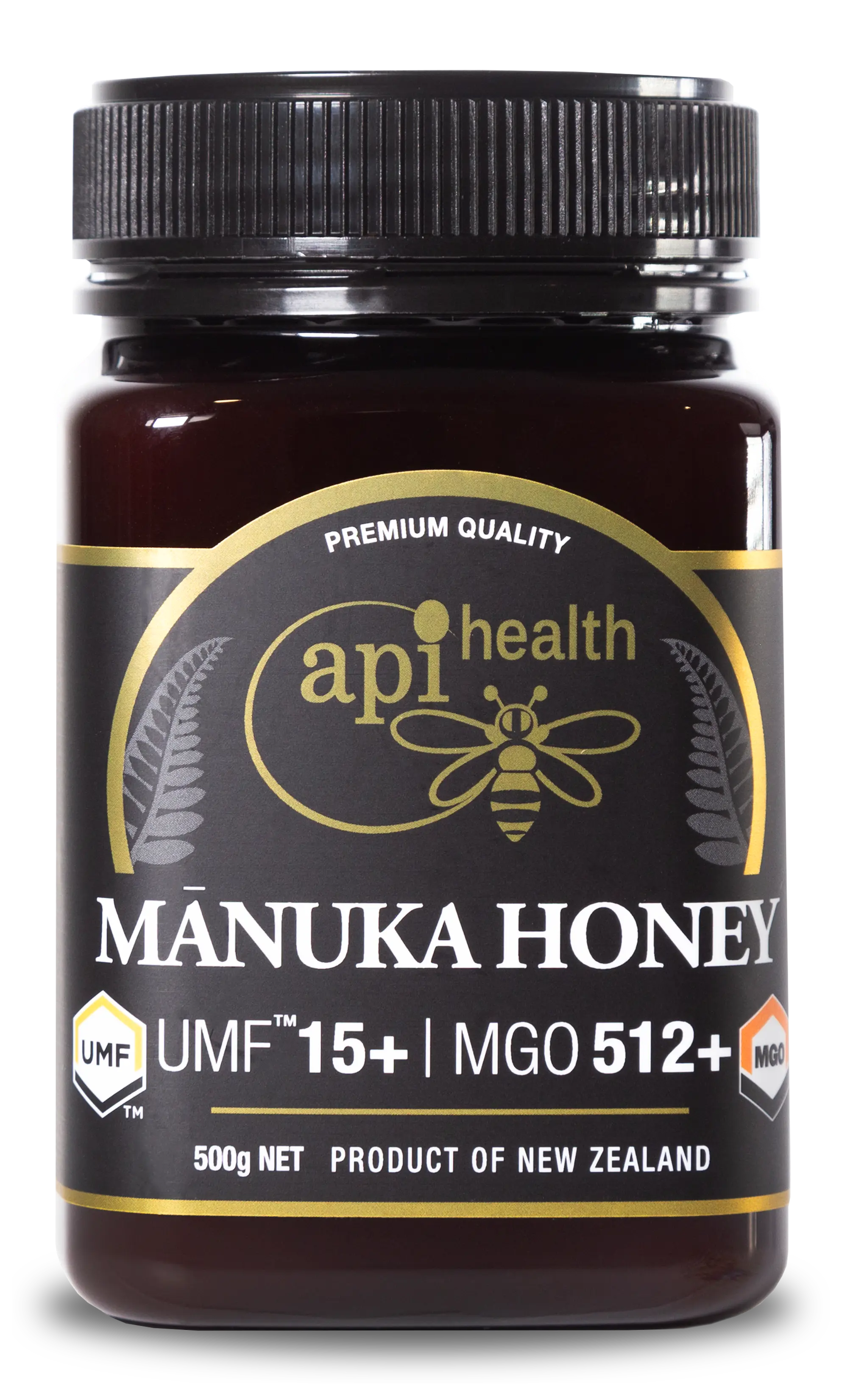
Manuka Honey UMF 15+
Premium New Zealand Manuka honey UMF 15 for everyday wellness and natural support.
$70.00
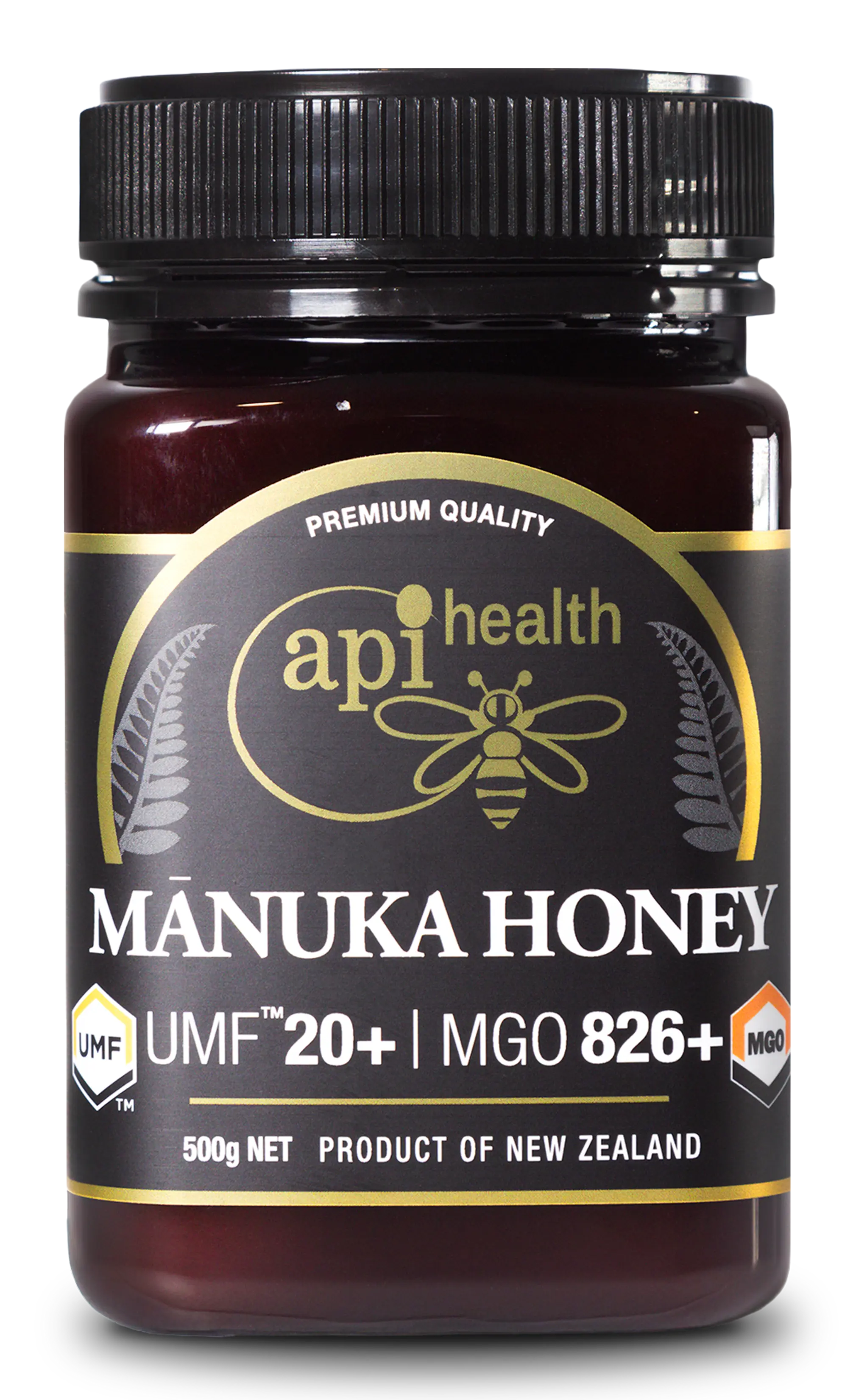
Manuka Honey UMF 20+
Premium New Zealand Manuka honey UMF 20 for everyday wellness and natural support.
$75.00
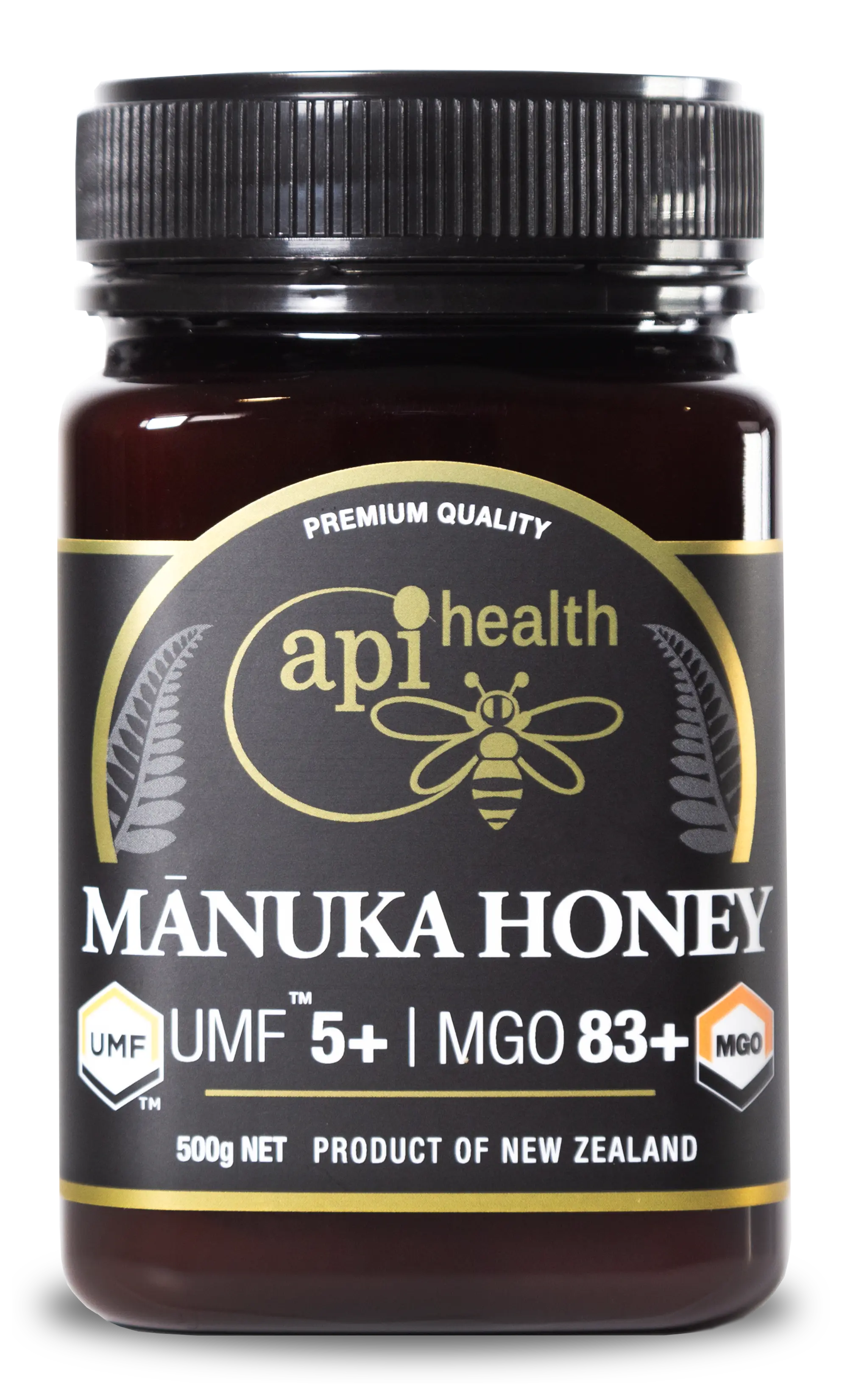
Manuka Honey UMF 5+
Premium New Zealand Manuka honey UMF 5 for everyday wellness and natural support.
$21.00
Related Articles
View all
Tutin Testing in New Zealand Honey: What It Means and How to Read a Lab Certificate
Understand tutin testing in New Zealand honey, the safety limit and lab report symbols. Learn what to check and how it differs from UMF and MGO grading.
Is UMF 10+ Good Enough? When to Upgrade (and When It Is Not)
UMF 10+ is the everyday Manuka grade most people actually need. Here is when stepping up to UMF 15+ or 20+ is worth it, and when an upgrade is just money spent.
Better Together: ApiHealth Product Combinations That Support Your Goals
Some bee products complement each other naturally. Discover five practical ApiHealth combinations for joints, immunity, energy, digestion and skin, and how to build a routine that works.
Shop ApiHealth
Ready to bring the hive home?
Explore our New Zealand-made Manuka honey, VENZ bee venom, propolis and natural wellness range, crafted by our family of beekeepers and researchers.
