

Published by Dr. Nikolai Nikolaev
Propolis is a resinous compound produced by honeybees from tree buds and sap, used to seal and protect the hive. It contains over 300 bioactive compounds, including flavonoids, phenolic acids, and caffeic acid phenethyl ester (CAPE), that give it potent antibacterial, antiviral, antifungal, antioxidant, and inflammatory-response-supporting properties. Research supports its use for immune support, oral health, wound healing, and skin care.
If you've seen propolis tinctures, sprays, or capsules and wondered whether they actually work, the answer is yes, with strong scientific backing. Propolis is one of the most studied natural antimicrobials in the world. Here's what we know.
This article is educational and is not a substitute for medical advice. Always follow product labels and speak with a qualified health professional for personal health concerns.
What Is Propolis?
Propolis (sometimes called "bee glue") is made by honeybees from the resinous secretions of tree buds, sap, and botanical sources. Bees mix these resins with beeswax and enzymes to create a sticky substance they use to:
- Seal cracks and gaps in the hive
- Coat the interior walls for sanitation
- Embalm intruders that are too large to remove
- Create a sterile environment for the colony
The result is a natural antimicrobial barrier that keeps the hive, home to 50,000+ bees in close quarters, remarkably free of disease. It's this protective function that makes propolis valuable for human health.
Key Bioactive Compounds
Propolis composition varies by region and botanical source, but typically contains:
- Flavonoids (pinocembrin, galangin, chrysin), powerful antioxidants with inflammatory response support and antimicrobial properties
- Caffeic acid phenethyl ester (CAPE): one of the most studied propolis compounds, with inflammatory response support, antioxidant, and anticancer research interest
- Phenolic acids: contribute to antimicrobial and antioxidant activity
- Terpenes: provide additional antimicrobial and inflammatory-response-supporting effects
New Zealand propolis is particularly valued because the native flora, including Manuka and Kanuka trees, contributes unique compounds not found in propolis from other regions.
Proven Benefits of Propolis
1. Immune Support
Propolis has been shown to stimulate immune cell activity, including macrophages, natural killer cells, and T-lymphocytes. It helps the immune system respond more effectively to pathogens while also modulating excessive inflammation. Multiple studies confirm its value as a daily immune support supplement.
2. Antibacterial and Antiviral Activity
Propolis is effective against a broad spectrum of bacteria, including Staphylococcus aureus, Streptococcus species, and E. coli. It also shows antiviral activity against certain viruses, including those responsible for cold sores (herpes simplex) and upper respiratory infections.
3. Oral Health
Propolis fights the bacteria that cause tooth decay (Streptococcus mutans) and gum disease. It's used in natural toothpastes, mouthwashes, and throat sprays. Research shows it can reduce plaque formation and support gum tissue healing.
4. Wound Healing and Skin Health
Propolis accelerates wound healing through its antimicrobial action (keeping wounds clean) and its ability to stimulate tissue regeneration. Topical propolis preparations are used for minor cuts, burns, and skin conditions including eczema and acne.
5. Antioxidant Protection
The flavonoid content in propolis gives it strong antioxidant capacity, helping neutralise free radicals that contribute to cellular ageing and chronic disease. Some studies rank propolis among the most potent natural antioxidant sources.
6. Gut Health
Emerging research shows propolis may support gut health by inhibiting harmful gut bacteria while promoting beneficial species. Its inflammatory-response-supporting properties also benefit the gut lining, which is relevant for conditions involving intestinal inflammation.
How to Use Propolis
Propolis is available in several forms, each suited to different uses:
| Form | Best For | How to Use |
|---|---|---|
| Tincture / Liquid extract | Immune support, sore throats | Add drops to water or take directly. Spray versions are great for throats |
| Capsules | Daily immune support | Take with food as directed on the label |
| Throat spray | Sore throats, oral health | Spray directly into the back of the throat |
| Topical cream / balm | Skin health, minor wounds | Apply directly to the affected area |
| Raw propolis | Chewing for oral health | Chew a small piece for 5-10 minutes |
ApiHealth produces propolis products sourced from New Zealand beehives, where the unique native flora contributes to a distinctive compound profile. Visit our store to explore the range.
Propolis vs Other Bee Products
| Propolis | Manuka Honey | Bee Pollen | Royal Jelly | |
|---|---|---|---|---|
| Primary strength | Antimicrobial, immune | Antibacterial (MGO) | Nutrition, energy | Immune regulation |
| Key compounds | Flavonoids, CAPE | Methylglyoxal | Vitamins, amino acids | Royalactin, 10-HDA |
| Best for | Throat, immunity, skin | Throat, gut, wounds | Energy, nutrition | Vitality, hormonal |
| Form | Tincture, spray, capsule | Eaten as honey | Granules, capsules | Fresh, capsules |
These products work well together. Many people combine Manuka honey for gut and throat health with propolis for immune support and bee pollen for nutritional density.
Frequently Asked Questions
Is propolis safe to take daily?
Yes, for most people. Propolis has a strong safety profile and has been consumed for thousands of years. The main contraindication is bee product allergy, if you're allergic to bee stings, honey, or pollen, avoid propolis. Start with a small dose to check for any sensitivity.
Does propolis taste bad?
Propolis tincture has a strong, resinous taste that some people find intense. Capsules avoid the taste entirely. Throat sprays are usually formulated with honey or mint to make them palatable. Raw propolis has a waxy, slightly bitter flavour.
Can propolis help with cold sores?
Research suggests propolis has antiviral activity against herpes simplex virus (HSV-1), the virus that causes cold sores. Topical propolis ointment has been shown in studies to speed healing and reduce pain compared to placebo. Some studies found it comparable to acyclovir (a standard antiviral medication).
Is NZ propolis different from other propolis?
Yes. Propolis composition depends heavily on the local flora. New Zealand propolis contains compounds derived from native trees like Manuka and Kanuka, which are not found in European or Brazilian propolis. This gives NZ propolis a unique bioactive profile.
Can I take propolis and Manuka honey together?
Absolutely. They complement each other well. Manuka honey provides MGO-based antibacterial activity and gut health support, while propolis adds broad-spectrum antimicrobial, antiviral, and immune-modulating benefits. Many people take both daily during cold and flu season.
The Bottom Line
Propolis is one of nature's most potent and well-researched antimicrobials, with benefits spanning immune support, oral health, skin care, and wound healing. Backed by hundreds of peer-reviewed studies, it's a proven complement to any natural health routine.
Browse our propolis and bee products: sourced from New Zealand beehives and produced right here in NZ.

About the author
Dr. Nikolai Nikolaev
Founder & Lead Researcher, ApiHealth NZ
Dr. Nikolai Nikolaev founded ApiHealth in New Zealand and has spent more than 25 years researching bee-derived health products. He pioneered the company’s patented VENZ bee venom collection technology and leads its work on apitherapy, Manuka honey and propolis.
More about the ApiHealth teamKey Ingredients
Featured Products
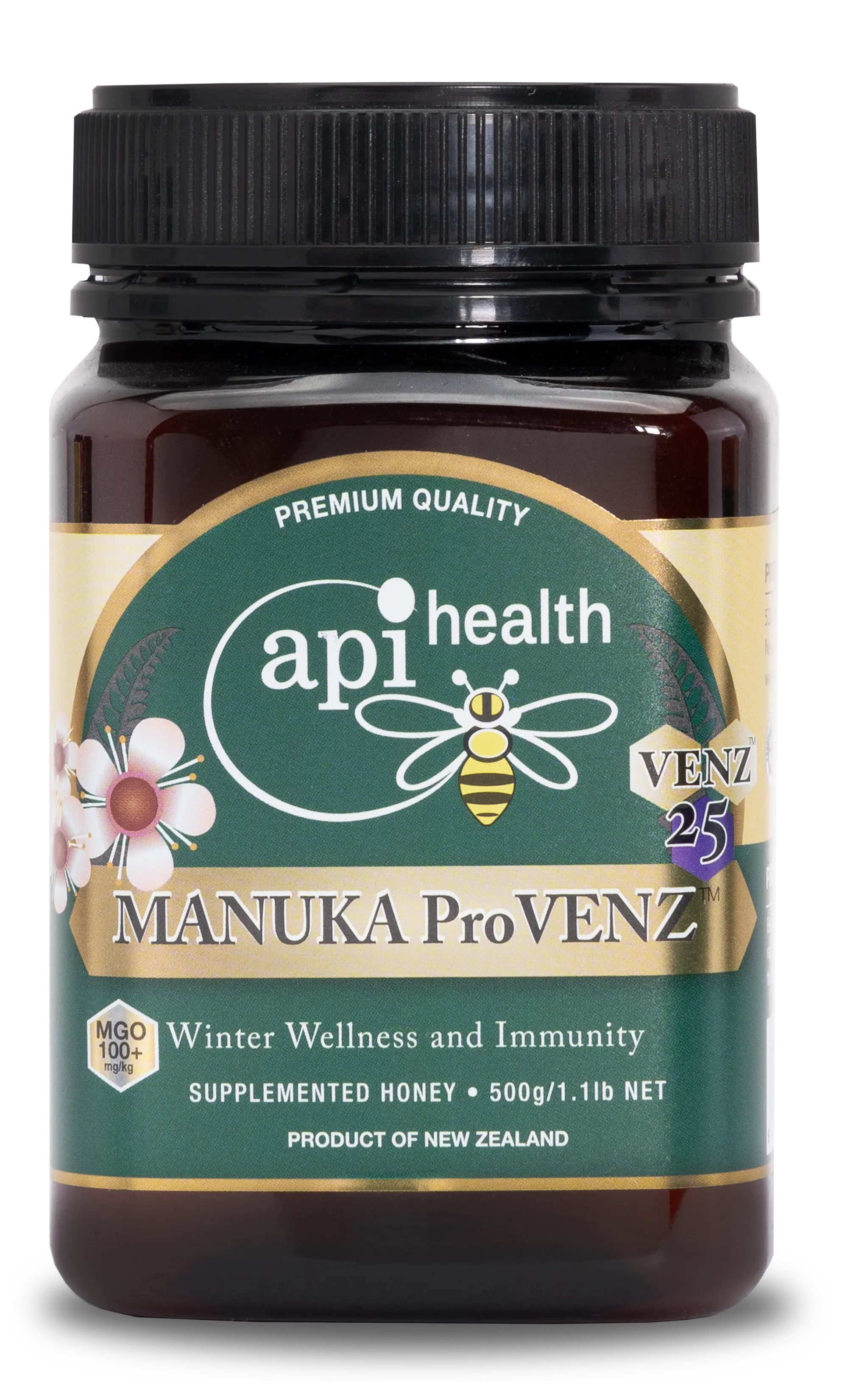
Manuka Provenz™
A Manuka honey formula with propolis and VENZ™ bee venom, crafted to support immune wellbeing, seasonal resilience and everyday vitality.
$25.00
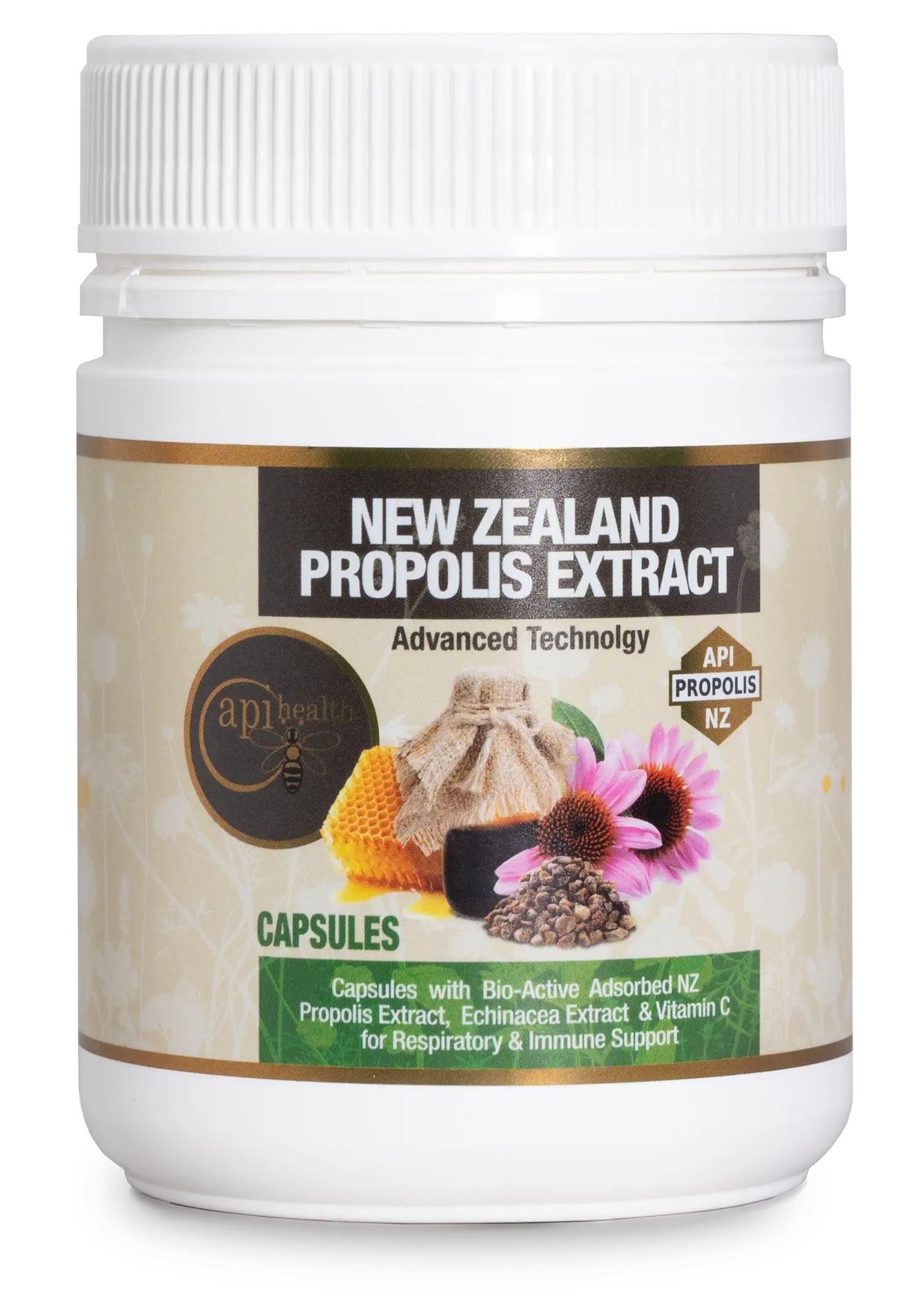
New Zealand Propolis Extract-Capsules
Premium New Zealand propolis extract capsules to support immune wellbeing and everyday vitality.
$35.00
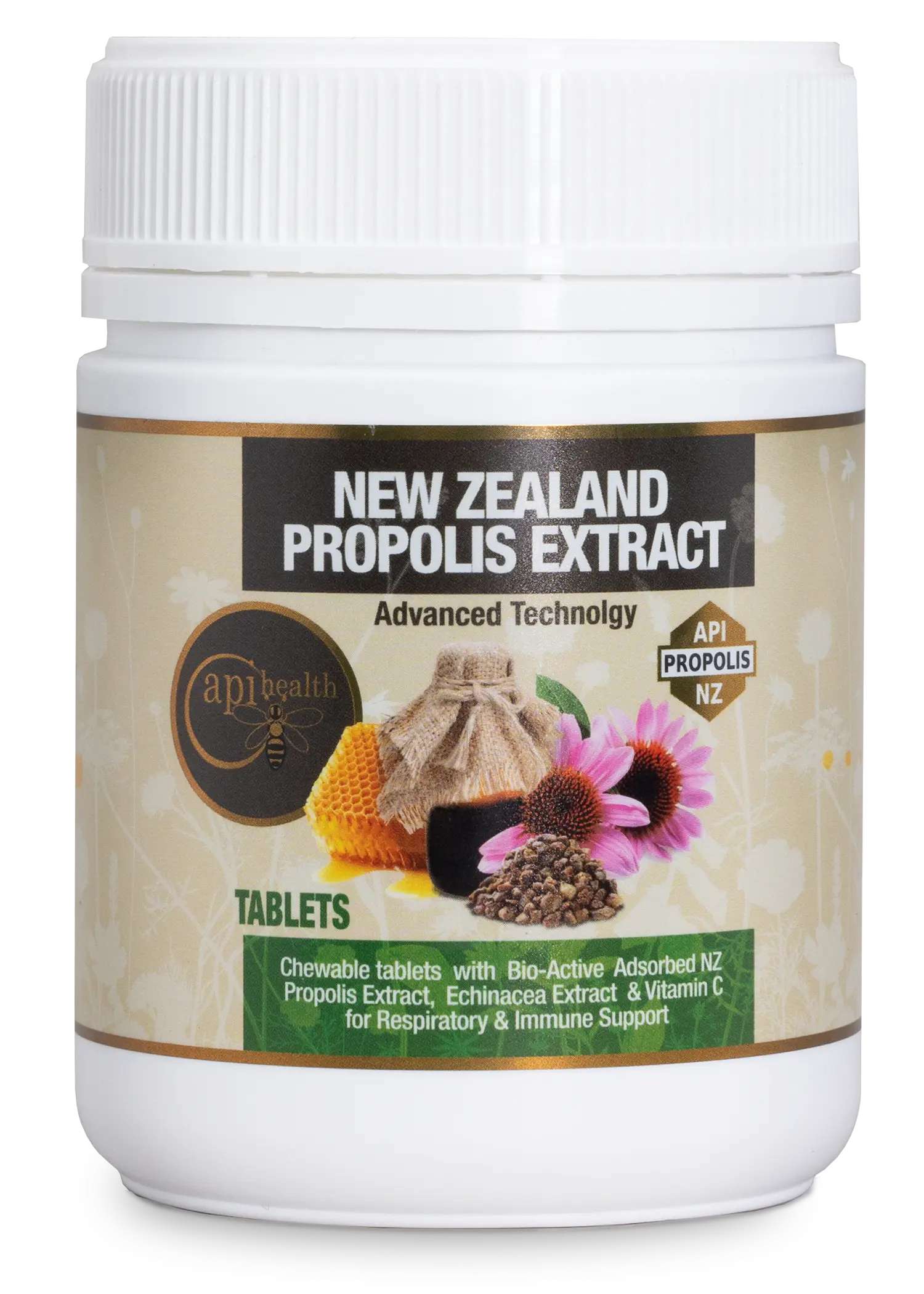
New Zealand Propolis Extract-Chewable Tablets
Premium New Zealand propolis chewable tablets for immune support and daily wellbeing.
$48.00
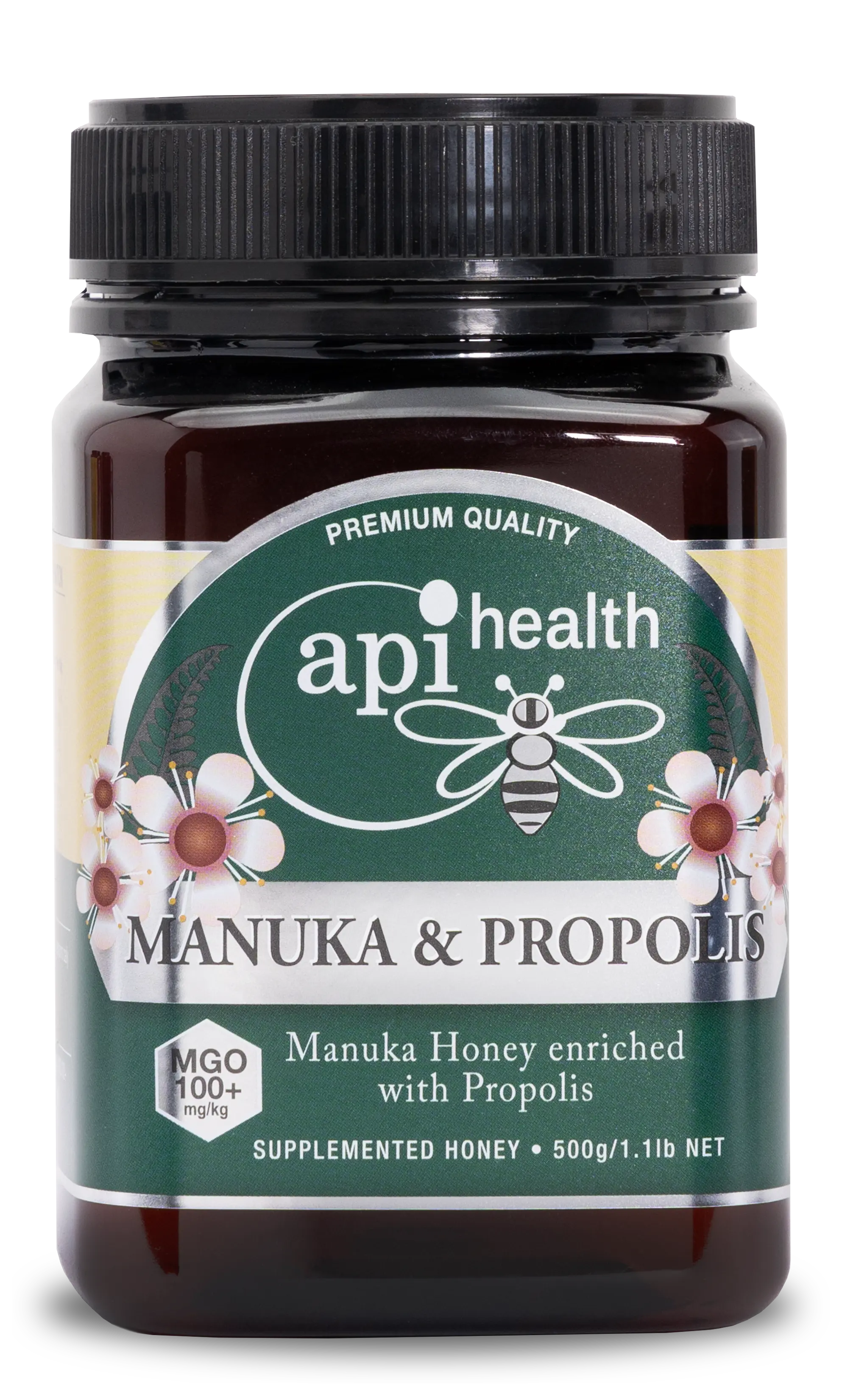
Manuka & Propolis
A functional Manuka honey formula with propolis to support immune wellbeing, seasonal protection and natural resilience.
$23.00
Related Articles
View all
Bee Products for Longevity: How Manuka Honey, VENZ™, Propolis and Royal Jelly Support Healthy Ageing
Manuka honey, bee venom, propolis and royal jelly are often grouped together as bee products for longevity. Here is what the science says about each one.
Bee Products for Women's Health: What the Science Suggests
A simple, science-aware guide to bee products for women's health: royal jelly, bee pollen and propolis for hormonal balance, energy and daily wellness.
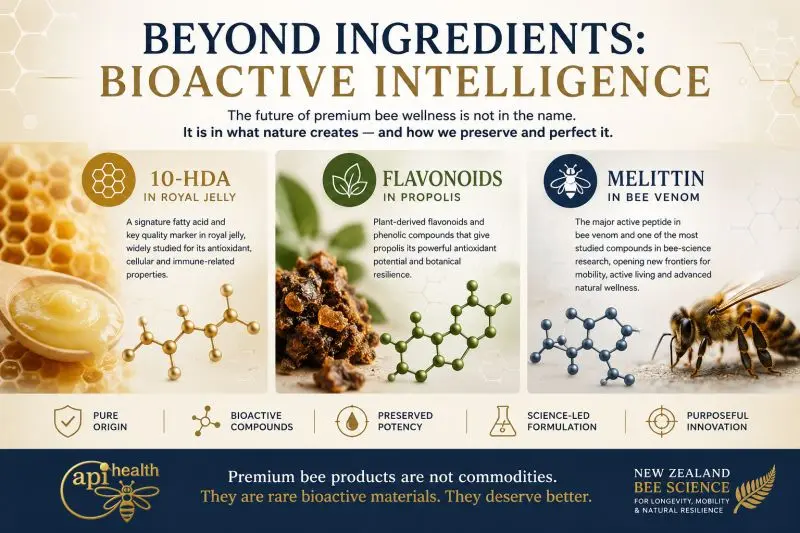
Beyond Ingredients: The Bioactive Compounds in Bee Products
A clear look at the bioactive compounds in bee products: 10-HDA in royal jelly, flavonoids in propolis, and melittin in bee venom, and why preservation matters.
Shop ApiHealth
Ready to bring the hive home?
Explore our New Zealand-made Manuka honey, VENZ bee venom, propolis and natural wellness range, crafted by our family of beekeepers and researchers.
