
Published by Dr. Tatiana Nikolaeva
Bee venom therapy (apitherapy) is the wellness use of bee venom for its inflammatory response support, comfort-focused, and immunomodulatory properties. The key active compound, melittin, makes up 40-60% of bee venom and has been shown to inhibit major inflammatory pathways. Modern bee venom products, creams, supplements, and skincare, deliver these benefits without live bee stings.
Bee venom has been used in traditional medicine for thousands of years, from ancient Egypt to traditional Chinese and Korean medicine. Today, scientific research is catching up with what practitioners have long observed. Here's a clear, evidence-based overview of what bee venom therapy is, what it can do, and what to be careful about.
This article is educational and is not a substitute for medical advice. Always follow product labels and speak with a qualified health professional for personal health concerns.
What Is Bee Venom?
Bee venom (apitoxin) is produced by honeybees as a defence mechanism. It's a complex mixture containing over 18 active compounds, including:
- Melittin (40-60%), the primary inflammatory-response-supporting compound. Inhibits the NF-κB pathway, one of the body's main inflammation drivers
- Apamin (2-3%), a neurotoxic peptide with inflammatory response support and potential neuroprotective properties
- Adolapin (1%), a natural pain reliever that inhibits cyclooxygenase (COX), similar to how ibuprofen works
- Phospholipase A2 (10-12%), an enzyme with immunomodulatory effects that may help regulate immune responses
- Peptide 401 (MCD peptide): a potent inflammatory-response-supporting agent, estimated to be 100 times stronger than hydrocortisone in some studies
Studied Benefits of Bee Venom
Joint Health and Arthritis
This is the most extensively researched application. Bee venom's inflammatory-response-supporting compounds can suppress the cytokines responsible for joint inflammation and cartilage degradation. Studies have shown benefits for both rheumatoid arthritis (autoimmune) and osteoarthritis (degenerative). Read our detailed guide: Bee Venom for Joint Health.
Skin Health and Anti-Ageing
Bee venom stimulates collagen and elastin production when applied topically. It creates a mild "micro-sting" effect that increases blood flow to the skin, promoting cell turnover and firmness. This has made bee venom a popular ingredient in premium anti-ageing skincare, sometimes called "nature's Botox" (though the mechanism is entirely different from actual Botox).
Pain Management
The combination of melittin's inflammatory-response-supporting action and adolapin's COX-inhibiting comfort-focused effect gives bee venom a dual pain-relief mechanism. Research has explored its use for chronic pain conditions, nerve pain, and musculoskeletal pain.
Immune Modulation
Bee venom has been shown to modulate immune responses, not simply boosting or suppressing immunity, but helping to regulate it. This is relevant to autoimmune conditions where the immune system is overactive, though research in this area is still developing.
Wound Healing
The antimicrobial properties of bee venom, combined with its ability to stimulate tissue regeneration, have been studied for wound healing applications. Melittin has shown activity against a range of bacteria, including some antibiotic-resistant strains.
How Bee Venom Is Used Today
Modern bee venom therapy doesn't require live bee stings. Products include:
- Topical creams and balms: for joint pain, muscle soreness, and skincare. Applied directly to the affected area
- Face masks and serums: for anti-ageing skincare. The venom stimulates collagen production and improves skin firmness
- Oral supplements: capsules or liquid formulations for systemic inflammatory response support
- Bee venom acupuncture (BVA): practised in some Asian countries, combining bee venom with acupuncture points. This is a clinical procedure performed by trained practitioners
ApiHealth's VENZ range uses purified bee venom from New Zealand honeybees. The venom is collected using a humane electrical stimulation method, bees sting a glass plate and fly away unharmed, keeping their stinger.
Safety and Who Should Avoid It
Bee venom products are safe for most people, but there are important exceptions:
- Bee sting allergy: If you are allergic to bee stings, do not use bee venom products in any form. Allergic reactions can be severe
- First-time use: Always do a patch test when trying a topical bee venom product for the first time. Apply a small amount to your inner forearm and wait 24 hours
- Pregnancy and breastfeeding: Avoid bee venom products unless directed by a healthcare professional
- Children: Consult a paediatrician before using bee venom products on children
- Blood-thinning medication: Bee venom may affect blood clotting. Consult your doctor if you take anticoagulants
Mild reactions to topical bee venom products, slight redness, warmth, or tingling at the application site, are normal and usually subside within 30 minutes. This is the venom stimulating blood flow, not an allergic reaction.
Frequently Asked Questions
Is bee venom the same as being stung by a bee?
Bee venom products contain the same bioactive compounds as a bee sting, but in controlled, measured doses. A single bee sting delivers roughly 50-140 micrograms of venom in an uncontrolled way. Products are formulated to deliver therapeutic amounts safely and consistently.
Does bee venom collection harm the bees?
No. Modern collection uses mild electrical stimulation on a glass plate. Bees sting the plate, deposit venom, and fly away with their stinger intact. This is fundamentally different from a bee stinging skin, where the stinger is torn out and the bee dies. Ethical producers like ApiHealth prioritise colony health.
How long has bee venom been used medicinally?
Bee venom therapy (apitherapy) has been documented for over 5,000 years. Ancient Egyptian, Greek, and Chinese medical texts reference the wellness use of bee stings. Modern scientific research into bee venom's mechanisms began in earnest in the mid-20th century and has accelerated significantly since 2000.
Can bee venom help with acne?
Potentially. Bee venom's antibacterial properties (particularly melittin) can help combat acne-causing bacteria, while its inflammatory-response-supporting effects can reduce the redness and swelling associated with breakouts. Topical bee venom skincare products are used for this purpose, though more clinical research is needed.
What does bee venom cream feel like?
When applied topically, bee venom cream typically produces a mild warming or tingling sensation as it stimulates blood flow to the area. This is normal. The sensation usually fades within 15-30 minutes. It should not cause pain, intense burning, or swelling, if it does, wash off immediately and discontinue use.
The Bottom Line
Bee venom is one of nature's most potent inflammatory-response-supporting compounds, with over 5,000 years of traditional use and a growing body of modern scientific evidence. Today's products make it accessible, safe, and controlled, no stings required.
Explore the VENZ Bee Venom range: purified New Zealand bee venom, humanely collected and scientifically formulated.
About the author
Dr. Tatiana Nikolaeva
Co-founder & Product Researcher, ApiHealth NZ
Dr. Tatiana Nikolaeva works alongside the ApiHealth research team in New Zealand, focusing on natural formulations across the company’s bee-derived wellness and skincare ranges. She writes on Manuka honey, bee pollen and everyday natural wellness.
More about the ApiHealth teamFeatured Products
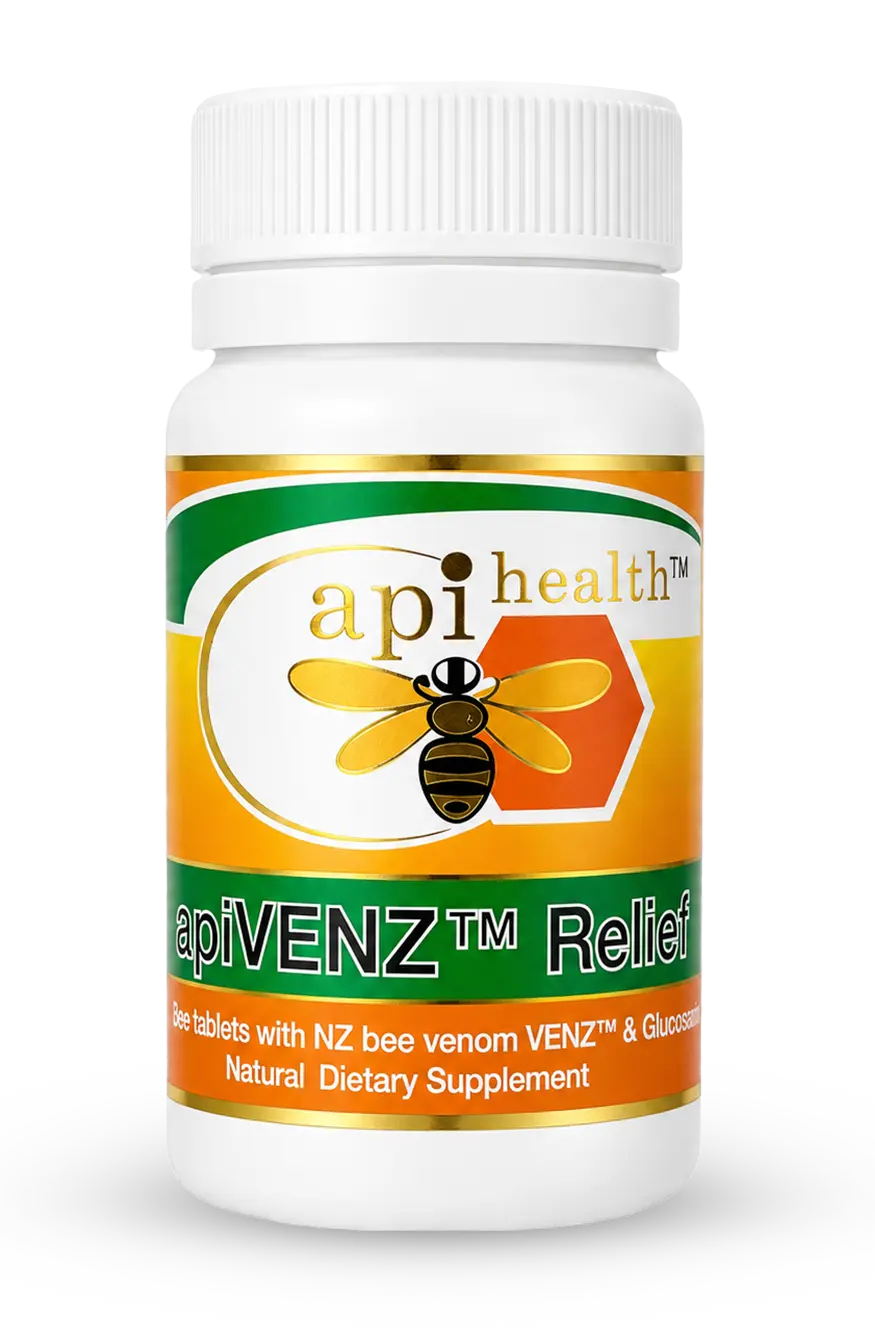
Apivenz™ Relief Chewable Tablets
Convenient daily supplement crafted from New Zealand ingredients to support overall wellbeing.
$32.00
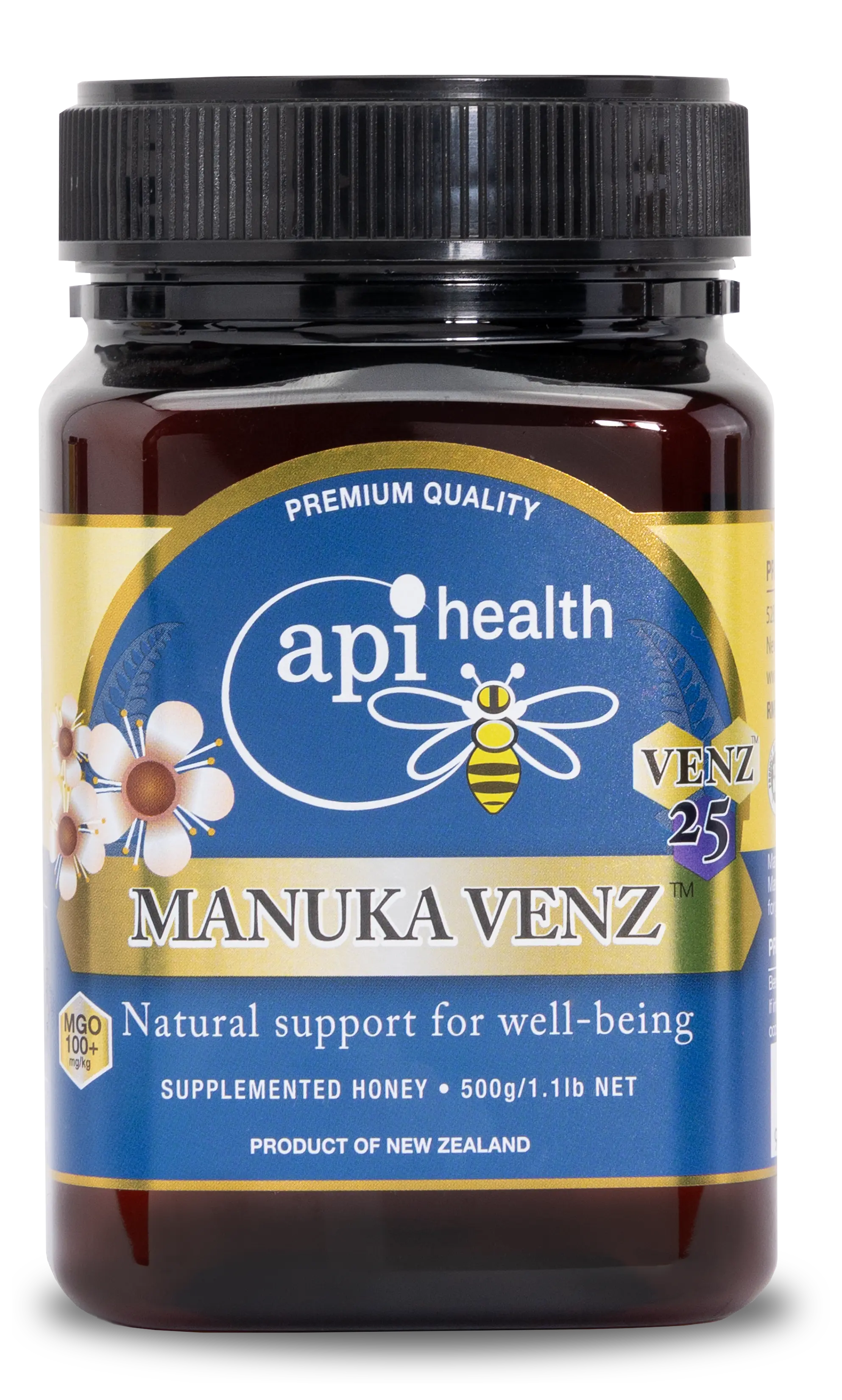
Manuka Venz™
A Manuka honey formula with VENZ™ bee venom to support mobility, immune wellbeing and natural resilience
$24.00
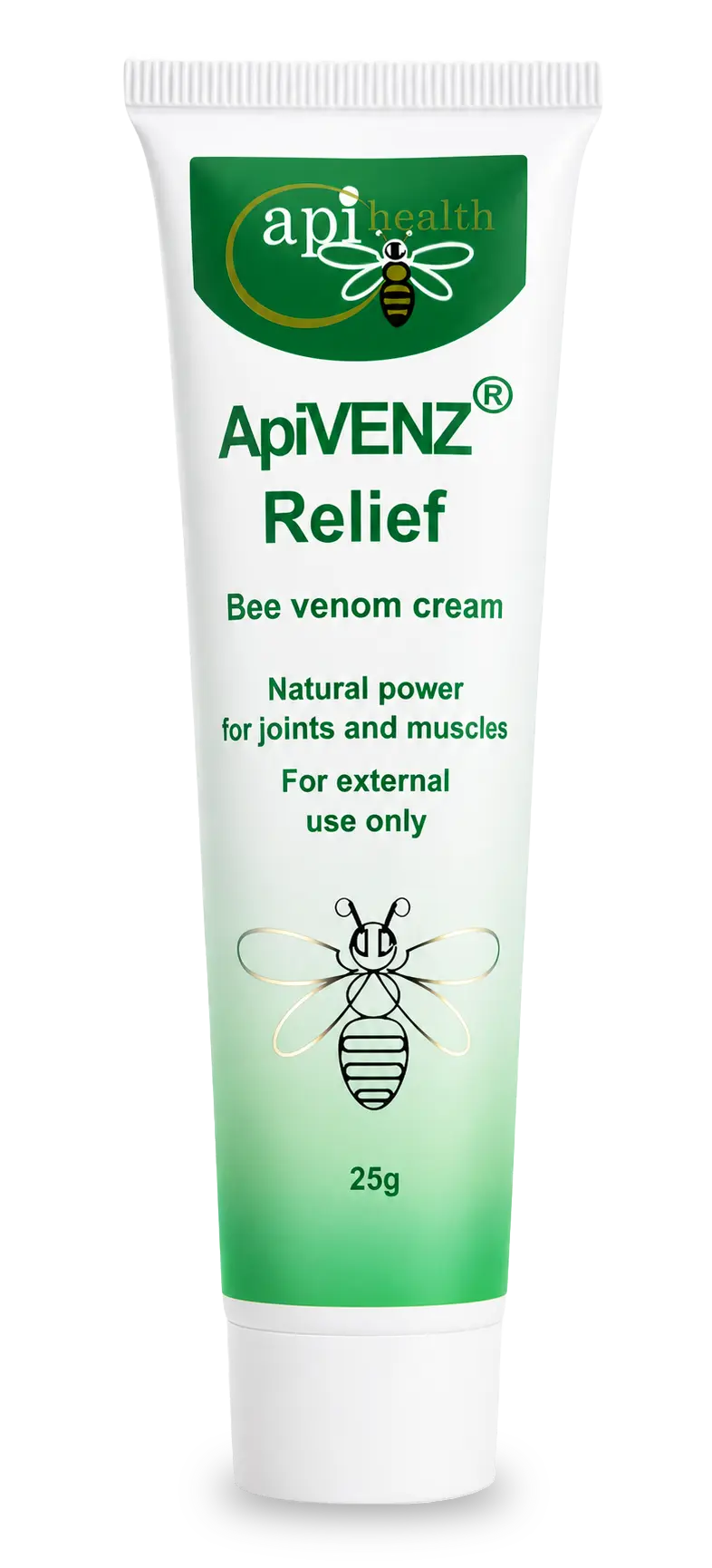
Apivenz™ Relief Cream
New Zealand bee venom cream for joints and muscles, made with patented VENZ™. Supports joint mobility and normal blood circulation.
$40.00
Related Articles
View all
Bee Products for Longevity: How Manuka Honey, VENZ™, Propolis and Royal Jelly Support Healthy Ageing
Manuka honey, bee venom, propolis and royal jelly are often grouped together as bee products for longevity. Here is what the science says about each one.
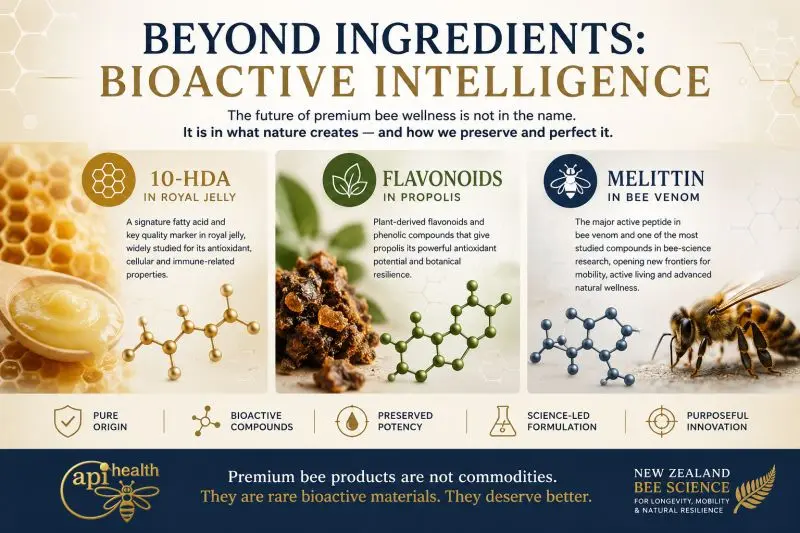
Beyond Ingredients: The Bioactive Compounds in Bee Products
A clear look at the bioactive compounds in bee products: 10-HDA in royal jelly, flavonoids in propolis, and melittin in bee venom, and why preservation matters.
Does Bee Venom Cream Really Work for Arthritis and Joint Pain?
Does bee venom cream actually help arthritis and joint pain? Here is how it works, what the research really shows, how to apply it safely, and where to find a traceable New Zealand bee venom cream.
Shop ApiHealth
Ready to bring the hive home?
Explore our New Zealand-made Manuka honey, VENZ bee venom, propolis and natural wellness range, crafted by our family of beekeepers and researchers.
