

Published by Dr. Nikolai Nikolaev
Bee venom contains melittin and apamin, two peptides with potent inflammatory-response-supporting properties that have been studied for their effects on joint pain and arthritis. Research shows bee venom can inhibit inflammatory pathways involved in joint degradation, and it has been used in traditional apitherapy for centuries. Modern bee venom products like creams and supplements offer a controlled, sting-free way to access these benefits.
If you've heard of bee venom therapy but aren't sure whether the science backs it up, this guide reviews what researchers have actually found, and how you can use bee venom products safely.
This article is educational and is not a substitute for medical advice. Always follow product labels and speak with a qualified health professional for personal health concerns.
What Is Bee Venom?
Bee venom (apitoxin) is a complex mixture of proteins, peptides, and small molecules produced by honeybees. The two most studied compounds for joint health are:
- Melittin: makes up 40-60% of bee venom's dry weight. It has strong inflammatory-response-supporting effects by inhibiting the NF-κB pathway, a key driver of inflammation in joints
- Apamin: a neurotoxic peptide that has been shown to reduce inflammation and may help modulate pain signalling
Other components include phospholipase A2 (PLA2), adolapin (a natural comfort-focused), and various enzymes that contribute to the overall therapeutic profile.
What the Research Shows
Supporting a Normal Inflammatory Response
Multiple peer-reviewed studies have demonstrated that bee venom and its constituent melittin can suppress inflammatory cytokines, the signalling molecules that drive joint inflammation and cartilage breakdown. A review published in Frontiers in Pharmacology (2024) confirmed bee venom's ability to inhibit pro-inflammatory pathways relevant to rheumatoid arthritis and osteoarthritis.
Arthritis and Joint Pain
Clinical and preclinical studies have explored bee venom for both rheumatoid arthritis (an autoimmune condition) and osteoarthritis (wear-and-tear degeneration):
- Bee venom acupuncture (BVA) has been studied in over 6,000 patients with arthritis, showing promising results for pain reduction and improved joint mobility
- Topical application of bee venom has shown inflammatory-response-supporting effects in joint tissues without requiring injection or live bee stings
- Animal studies consistently show reduced joint swelling and cartilage protection with bee venom treatment
joint comfort support
Adolapin, a component of bee venom, acts as a natural comfort-focused by inhibiting cyclooxygenase (COX) activity, the same pathway targeted by common anti-inflammatory drugs like ibuprofen. This gives bee venom a dual action: reducing inflammation and relieving pain.
How Modern Bee Venom Products Work
You don't need to be stung by a bee to benefit from bee venom. Modern products deliver controlled doses through:
- Topical creams and balms: applied directly to joints for localised inflammatory-response-supporting effects. The venom is absorbed through the skin and targets the underlying tissue
- Oral supplements: bee venom in capsule or liquid form for systemic inflammatory response support
- Skincare products: bee venom is also used in anti-ageing skincare for its stimulating effect on collagen production
ApiHealth's VENZ range uses purified bee venom from New Zealand honeybees, processed to maintain the bioactive compounds while ensuring consistent dosing and safety. Our bee venom is collected using a humane electrical stimulation method that doesn't harm the bees.
Who Might Benefit?
Bee venom products may be worth considering if you:
- Experience joint stiffness or pain from osteoarthritis
- Have inflammatory joint conditions and are looking for complementary natural options
- Are physically active and deal with exercise-related joint inflammation
- Want a natural inflammatory response support to use alongside (not replacing) conventional treatment
Important: Bee venom products are complementary, not a replacement for medical treatment. Always consult your healthcare provider before starting any new supplement, especially if you have existing health conditions or take medication.
Safety and Precautions
- Allergy risk: If you are allergic to bee stings, do not use bee venom products. If you're unsure, consult an allergist first
- Start small: When trying a topical bee venom product for the first time, apply a small amount to a test area and wait 24 hours to check for a reaction
- Pregnancy and breastfeeding: Avoid bee venom products unless directed by a healthcare professional
- Quality matters: Choose products from reputable manufacturers who can verify the source, purity, and concentration of their bee venom
Frequently Asked Questions
Does bee venom cream really work for joint pain?
Research supports bee venom's inflammatory response support and comfort-focused properties. Topical creams deliver the active compounds directly to the affected area. Many users report reduced stiffness and improved comfort, though individual results vary. It works best as part of an overall joint health routine.
Is bee venom safe to use?
For most people, yes. The main risk is allergic reaction, which is why bee venom products should never be used by anyone with a known bee sting allergy. Start with a patch test for topical products. Reputable products use controlled, purified bee venom at safe concentrations.
How is bee venom collected without harming bees?
Modern bee venom collection uses a mild electrical stimulation on a glass plate placed at the hive entrance. The bees sting the plate, depositing venom, and fly away unharmed, they keep their stinger. This method has been used in apitherapy for decades and does not damage the colony.
Can I use bee venom alongside anti-inflammatory medication?
Potentially, but consult your doctor first. Bee venom has its own inflammatory-response-supporting pathways, and combining it with medication should be done under medical guidance to avoid interactions.
How long does it take for bee venom cream to work?
Topical bee venom typically produces a mild warming sensation within minutes. For ongoing joint support, most people notice improvements after consistent daily use over 2-4 weeks. It's not an instant fix, regular application is key.
The Bottom Line
Bee venom's inflammatory-response-supporting properties are well-documented in scientific literature, and modern products make it accessible without the sting. For joint health, it's one of nature's most studied compounds, with over 500 conditions explored in apitherapy research.
Explore our VENZ Bee Venom range: made with purified New Zealand bee venom, humanely collected and scientifically formulated.

About the author
Dr. Nikolai Nikolaev
Founder & Lead Researcher, ApiHealth NZ
Dr. Nikolai Nikolaev founded ApiHealth in New Zealand and has spent more than 25 years researching bee-derived health products. He pioneered the company’s patented VENZ bee venom collection technology and leads its work on apitherapy, Manuka honey and propolis.
More about the ApiHealth teamFeatured Products
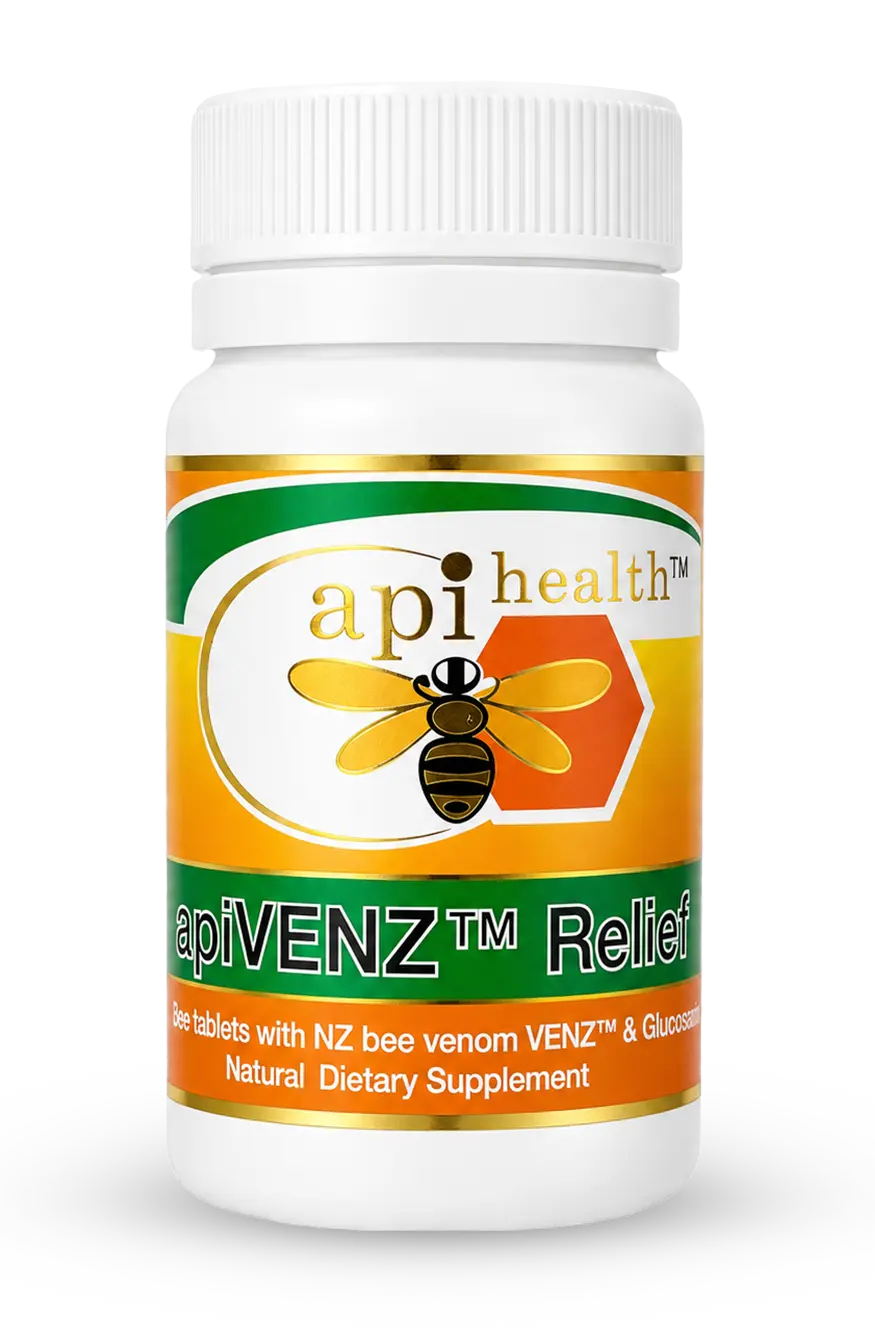
Apivenz™ Relief Chewable Tablets
Convenient daily supplement crafted from New Zealand ingredients to support overall wellbeing.
$32.00
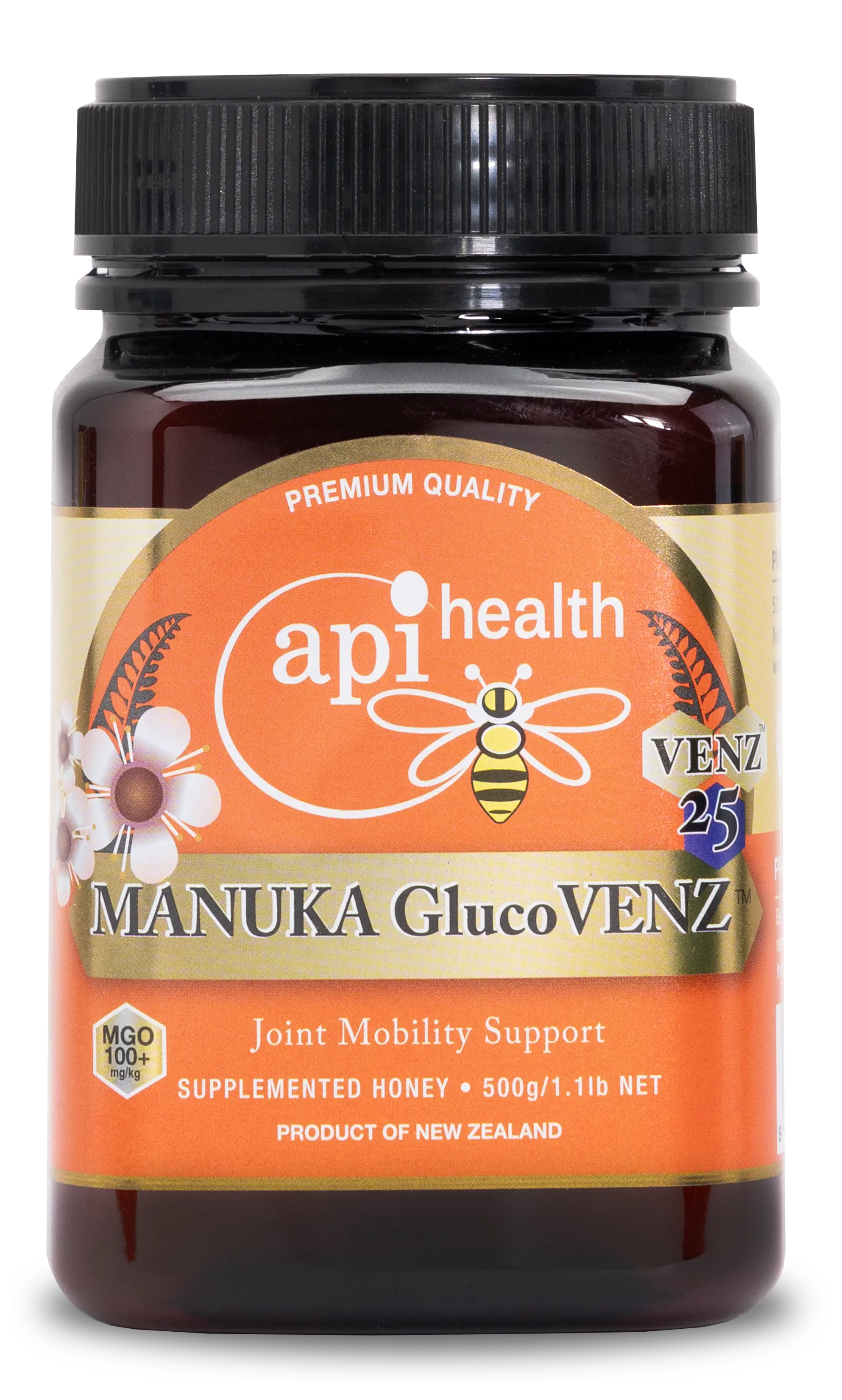
Manuka Glucovenz™
A Manuka honey formula with VENZ™ bee venom and glucosamine, crafted to support joint mobility, flexibility and everyday movement.
$26.00
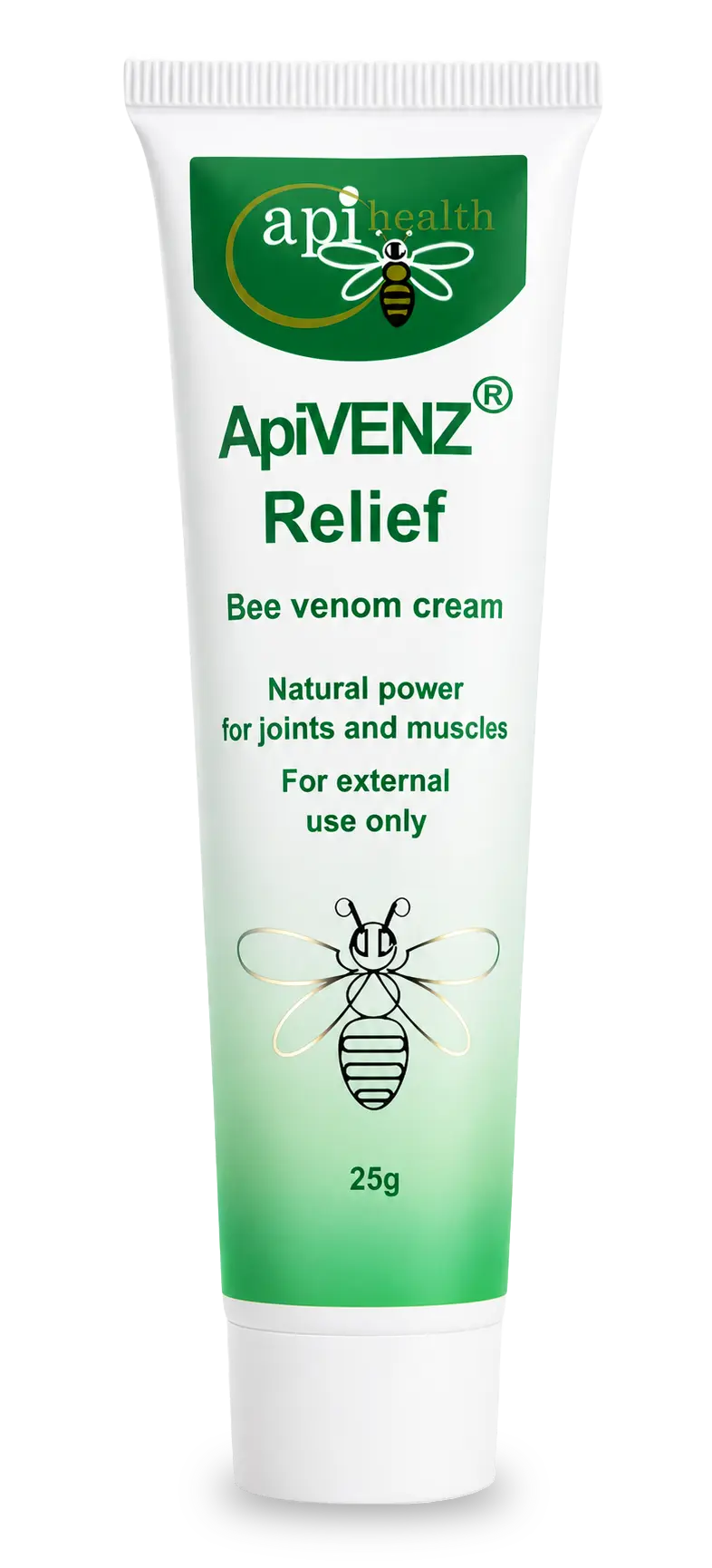
Apivenz™ Relief Cream
New Zealand bee venom cream for joints and muscles, made with patented VENZ™. Supports joint mobility and normal blood circulation.
$40.00
Related Articles
View all
Bee Products for Longevity: How Manuka Honey, VENZ™, Propolis and Royal Jelly Support Healthy Ageing
Manuka honey, bee venom, propolis and royal jelly are often grouped together as bee products for longevity. Here is what the science says about each one.
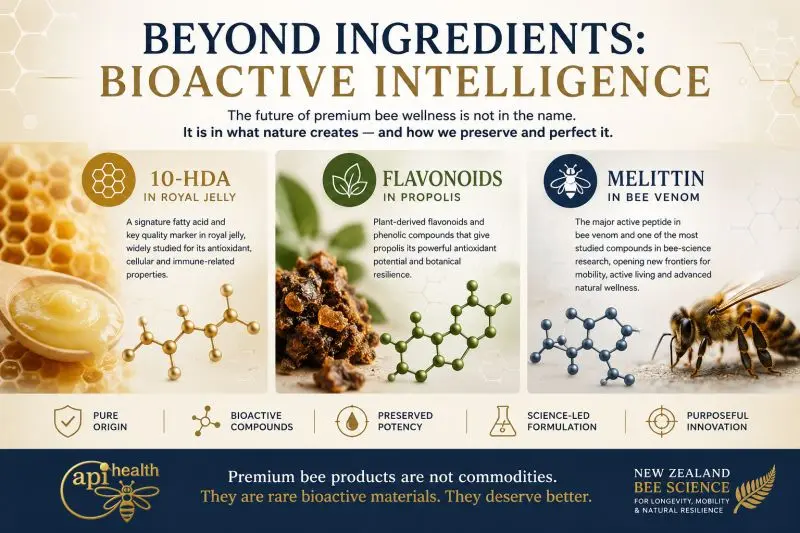
Beyond Ingredients: The Bioactive Compounds in Bee Products
A clear look at the bioactive compounds in bee products: 10-HDA in royal jelly, flavonoids in propolis, and melittin in bee venom, and why preservation matters.
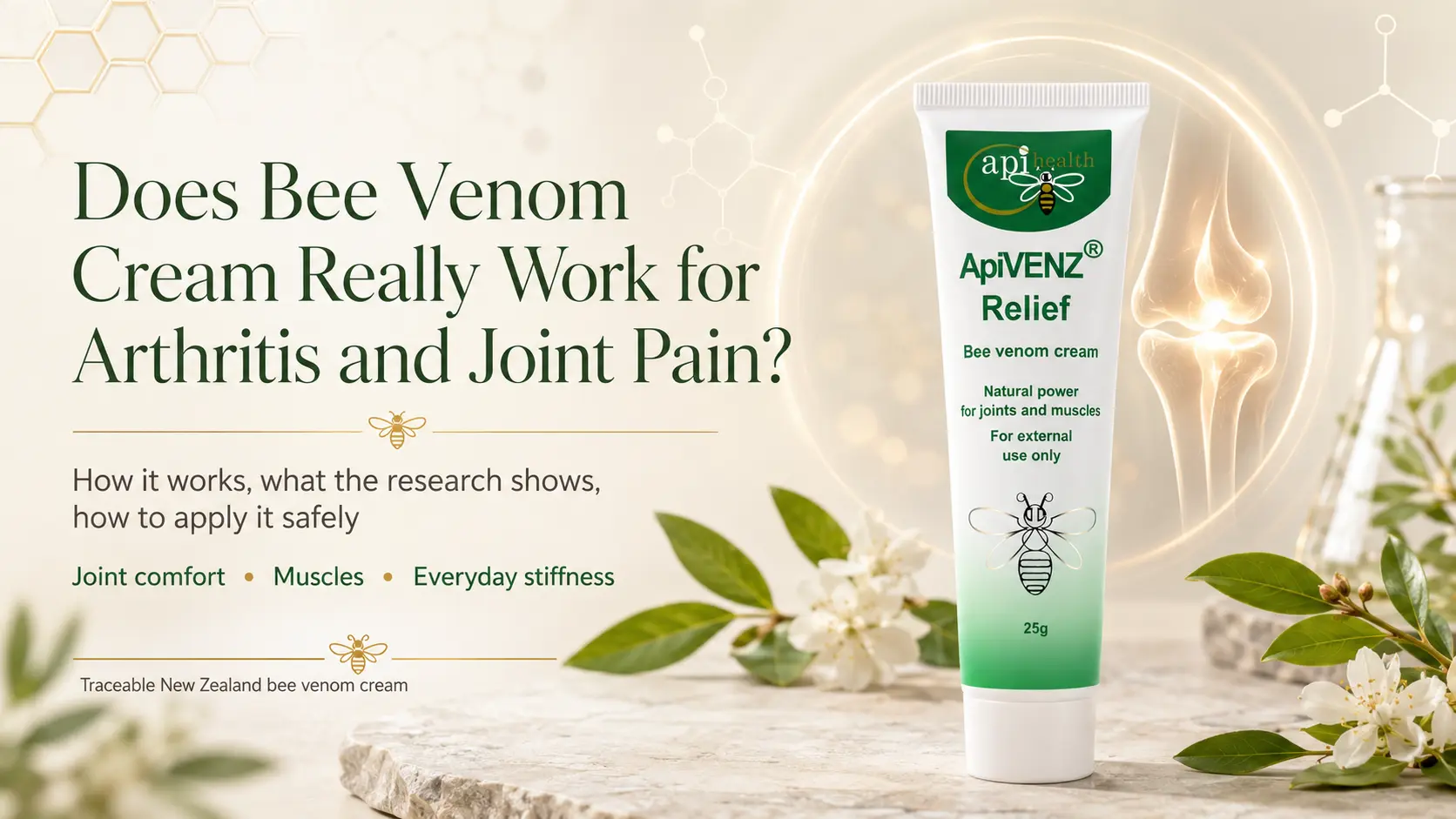
Does Bee Venom Cream Really Work for Arthritis and Joint Pain?
Does bee venom cream actually help arthritis and joint pain? Here is how it works, what the research really shows, how to apply it safely, and where to find a traceable New Zealand bee venom cream.
Shop ApiHealth
Ready to bring the hive home?
Explore our New Zealand-made Manuka honey, VENZ bee venom, propolis and natural wellness range, crafted by our family of beekeepers and researchers.
