
For years, the bee wellness aisle has sold names. Manuka honey, royal jelly, propolis, bee venom: each one a headline ingredient on a label. Yet the real story of bioactive compounds in bee products is not in the name at all. It is in the specific molecules nature creates inside the hive, and in how carefully those molecules are preserved before they reach you.
At ApiHealth, this is the whole philosophy. The future of apitherapy is not the bee sting itself. It is the science behind the bee. When you look past the ingredient and study the active compound, three names keep appearing in the research: 10-HDA in royal jelly, flavonoids in propolis, and melittin in bee venom.
What are the bioactive compounds in bee products?
Bioactive compounds in bee products are the specific molecules that give each bee material its measurable activity in the body. Honey, royal jelly, propolis, bee venom and pollen are not single substances. Each is a complex natural formula. Researchers have identified more than 420 compounds in propolis worldwide, and bee venom carries around 30 distinct peptides and enzymes. Three markers are studied more than any others, and each is worth understanding on its own. To see how we approach this work, visit our science hub.
10-HDA: royal jelly's signature fatty acid
10-hydroxy-2-decenoic acid, usually shortened to 10-HDA, is an unsaturated fatty acid that has never been found in any natural product other than royal jelly. Reviews report that it makes up a large share of royal jelly's free fatty acids, which is why laboratories use it as a key marker of freshness, quality and authenticity.
Research into 10-HDA is still developing, and much of it is preclinical, so honest framing matters. Studies suggest it has antioxidant and immunoregulatory activity and that it may help support a normal inflammatory response, with much of the early evidence coming from laboratory and animal work rather than large human trials. What the science does make clear is that royal jelly is far more than a generic superfood. It is a delivery system for a fatty acid that nature produces nowhere else. You can read more on our royal jelly ingredient page, or explore our New Zealand Royal Jelly chewable tablets.
Flavonoids: the antioxidant engine of propolis
Propolis is the resin honey bees gather from tree buds and use to seal and protect the hive. Its character comes largely from flavonoids, a family of plant compounds built on a distinctive carbon skeleton. More than one hundred flavonoids have been identified across different propolis types, including quercetin, chrysin, galangin and kaempferol.
Flavonoids carry many phenolic hydroxyl groups, which is the structural reason they are such strong antioxidants. Research suggests propolis flavonoids can help neutralise free radicals and support the body's own antioxidant defences, and propolis has a long traditional history in immune and winter wellness. As always, results vary with the botanical source and the season, so standardisation matters. Learn more on our propolis ingredient page, or browse our New Zealand propolis extract.
Melittin: the headline peptide in bee venom
Melittin is the major active peptide in bee venom and one of the most studied compounds in modern bee science. It is a small, charged peptide that sits within a natural mixture of about thirty peptides and enzymes, alongside apamin and phospholipase A2.
Because of melittin, bee venom has become a frontier for research into mobility, active living and a healthy inflammatory response, though most of this work remains preclinical and laboratory based. This is exactly why collection and standardisation are so important. ApiHealth's patented VENZ trademark venom is gathered humanely without harming the bees, standardised to a controlled concentration, and tested in-house for markers including melittin and PLA2. Important caution: anyone with a known bee-sting allergy should avoid bee venom products and speak to a healthcare professional first. See our bee venom ingredient page, the full VENZ range, or our Manuka VENZ honey.
Why preserving potency matters as much as the compound
Here is the part most labels skip. A bioactive molecule is only useful if it survives the journey from hive to spoon. Heat, poor handling and weak processing can quietly strip potency long before a product reaches you. That is why ApiHealth regards preservation as seriously as sourcing.
Premium bee products are not commodities. They are rare bioactive materials, and they deserve to be preserved with the same care nature used to create them.
Our trust signals are practical, not decorative: MPI Risk Management Programme certification, UMFHA membership, New Zealand bee science since 1997, NZ Patent 329585 for bee-friendly venom collection, and in-house laboratory testing. You can see how we verify quality in our trust center, and why we started in our story.
How to choose a bee product for its bioactives
If you want the active compound and not just the name, a few signals help you compare honestly:
- Named markers: look for the actual compound (10-HDA, flavonoids, melittin) or a graded marker like UMF, not vague wording.
- Standardisation: a stated, consistent concentration suggests the maker controls potency batch to batch.
- Testing and traceability: independent or in-house lab testing, certificates of quality and origin, and a trademark such as VENZ all add accountability.
- Honest claims: credible brands hedge, citing research rather than overpromising.
For an everyday way to bring several of these compounds together, our Manuka ProVENZ pairs propolis with VENZ bee venom and Manuka honey in one daily formula. You can also explore the wider supplements range.

Frequently asked questions
What is 10-HDA in royal jelly?
10-HDA, or 10-hydroxy-2-decenoic acid, is an unsaturated fatty acid found only in royal jelly. It is widely used as a marker of royal jelly's freshness, quality and authenticity, and early research suggests antioxidant and immunoregulatory activity.
Are propolis flavonoids good antioxidants?
Flavonoids are the main active compounds in propolis and are known for strong antioxidant activity. Research suggests they help neutralise free radicals and support the body's own antioxidant defences, though the exact profile varies with the propolis source.
What does melittin do in bee venom?
Melittin is the major peptide in bee venom and one of the most studied compounds in bee science. Research into its role in mobility and a healthy inflammatory response is ongoing and largely preclinical, so claims should stay measured.
Which bee product has the most bioactive compounds?
Propolis is among the most chemically complex, with more than 420 compounds identified worldwide. Bee venom contains around 30 peptides and enzymes, while royal jelly is notable for the unique fatty acid 10-HDA. Each is rich in its own way.
Are bee venom products safe to take?
ApiHealth VENZ is purified and standardised for use in our products. Anyone with a known bee-sting allergy should avoid bee venom products, and people who are pregnant, breastfeeding or managing a health condition should consult a healthcare professional first.
How does ApiHealth keep bee compounds potent?
Through careful sourcing and processing, MPI RMP certification, UMFHA membership, the patented VENZ collection method, and in-house laboratory testing for markers such as melittin and PLA2. Preservation is handled as seriously as sourcing.
The bottom line
Bee products earn their reputation not because of the names on the jar but because of the bioactive compounds inside them: 10-HDA, flavonoids and melittin, each a small piece of nature's intelligence. Understanding those molecules, and insisting they are preserved with care, is how you move beyond ingredients to genuine bee science. Explore the full VENZ range to start with compounds, not just labels.
Key Ingredients
Featured Products
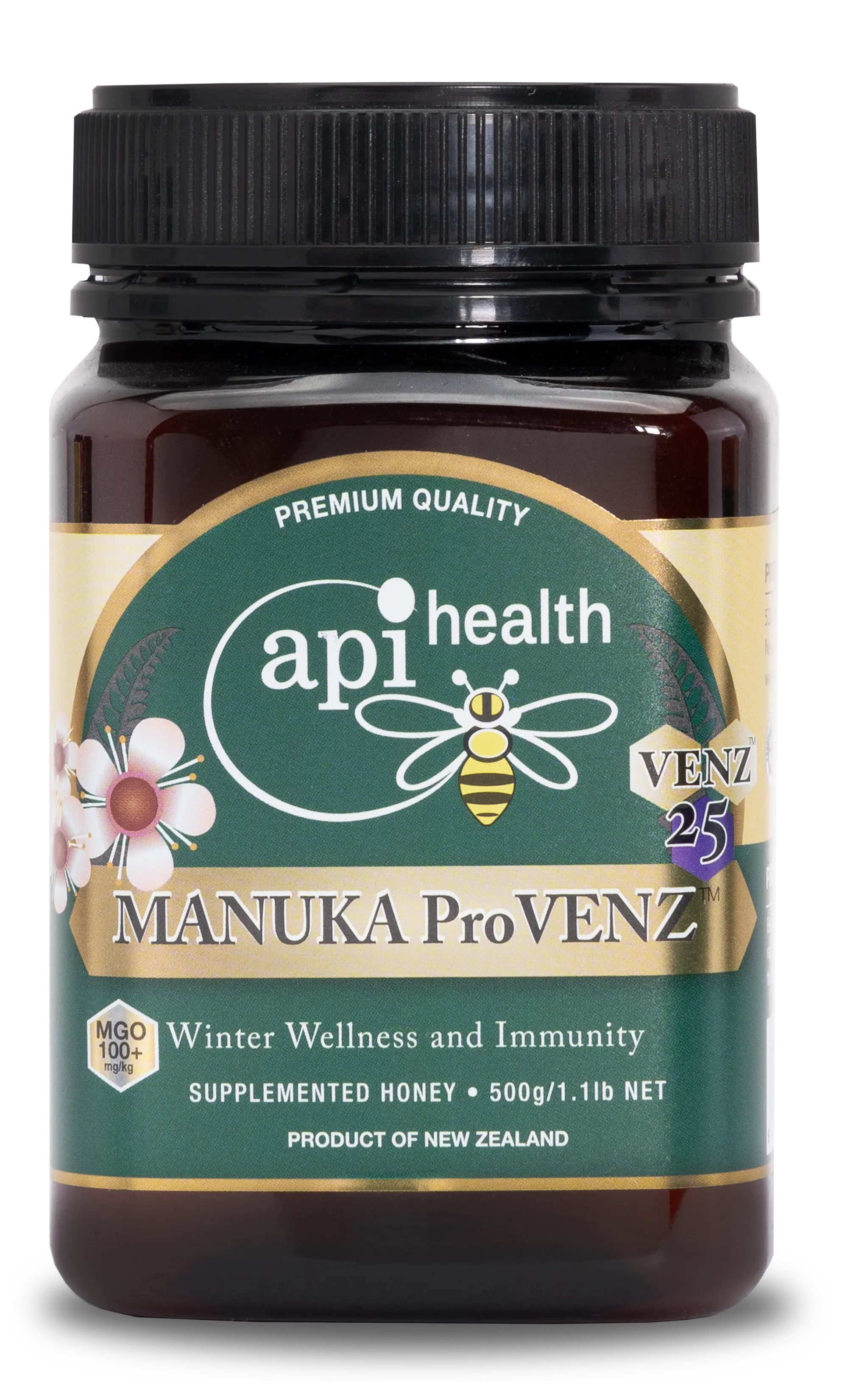
Manuka Provenz™
A Manuka honey formula with propolis and VENZ™ bee venom, crafted to support immune wellbeing, seasonal resilience and everyday vitality.
$25.00
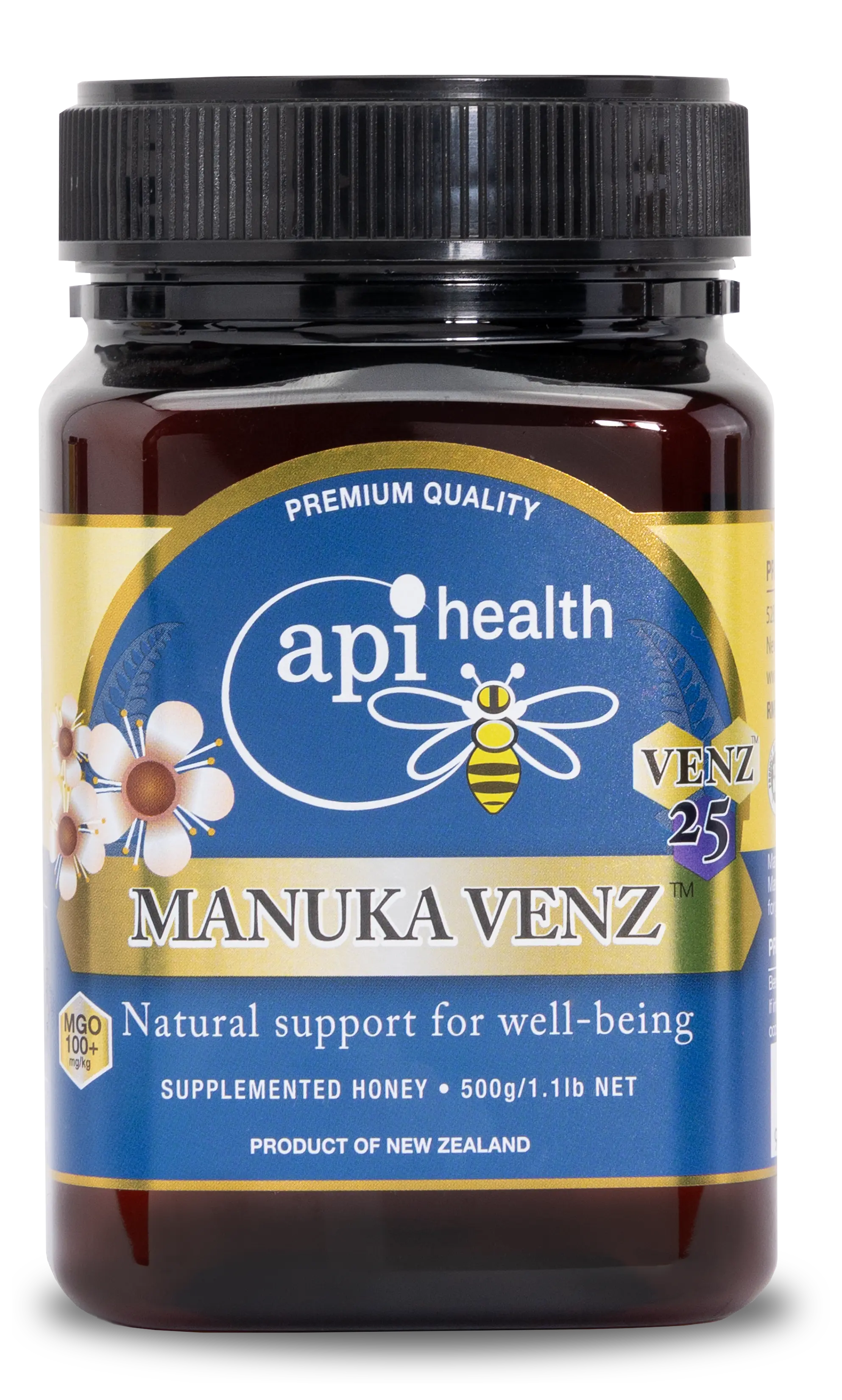
Manuka Venz™
A Manuka honey formula with VENZ™ bee venom to support mobility, immune wellbeing and natural resilience
$24.00
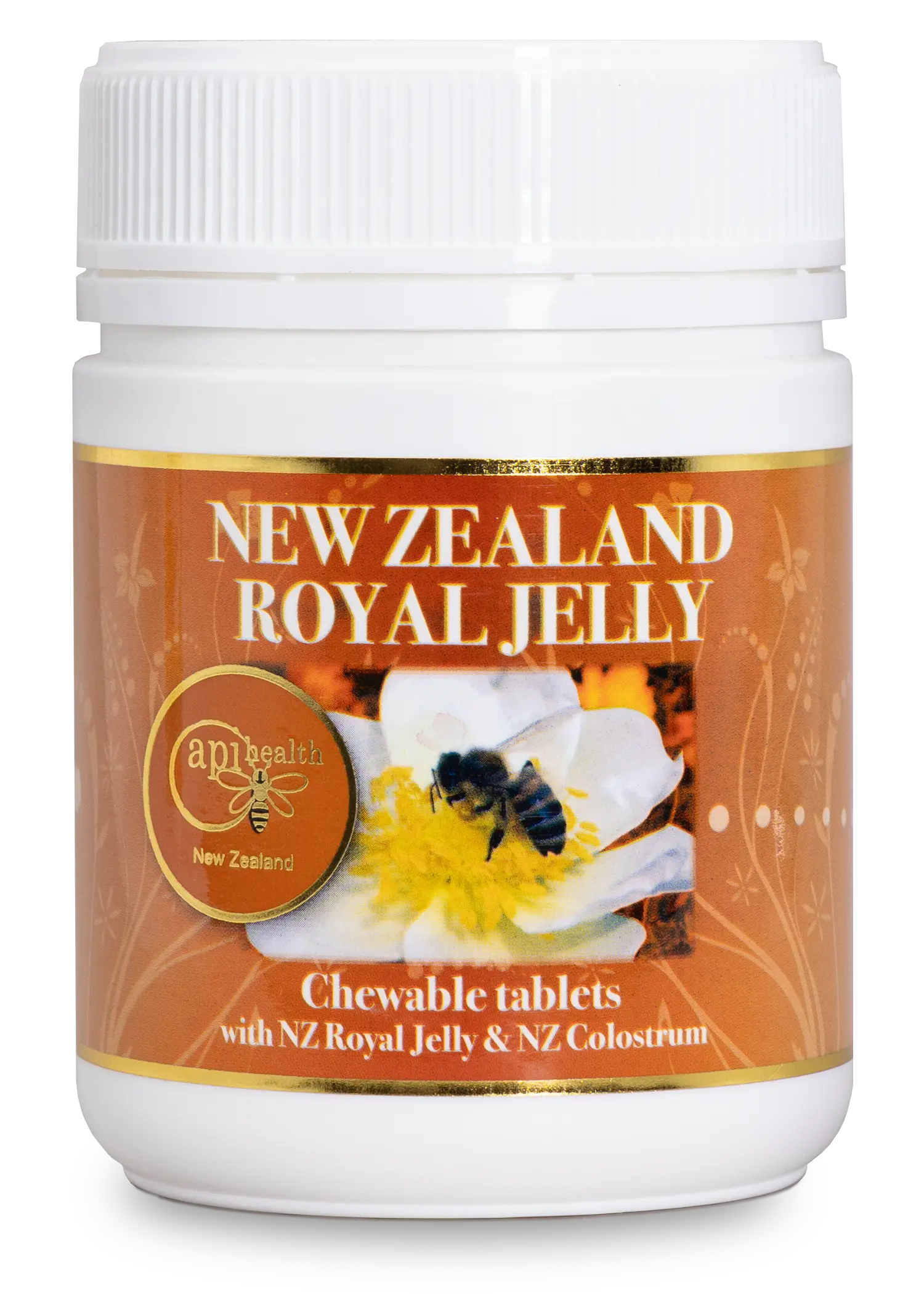
New Zealand Royal Jelly Chewable Tablets
Premium New Zealand royal jelly and colostrum chewable tablets for daily energy and immune support.
$55.00
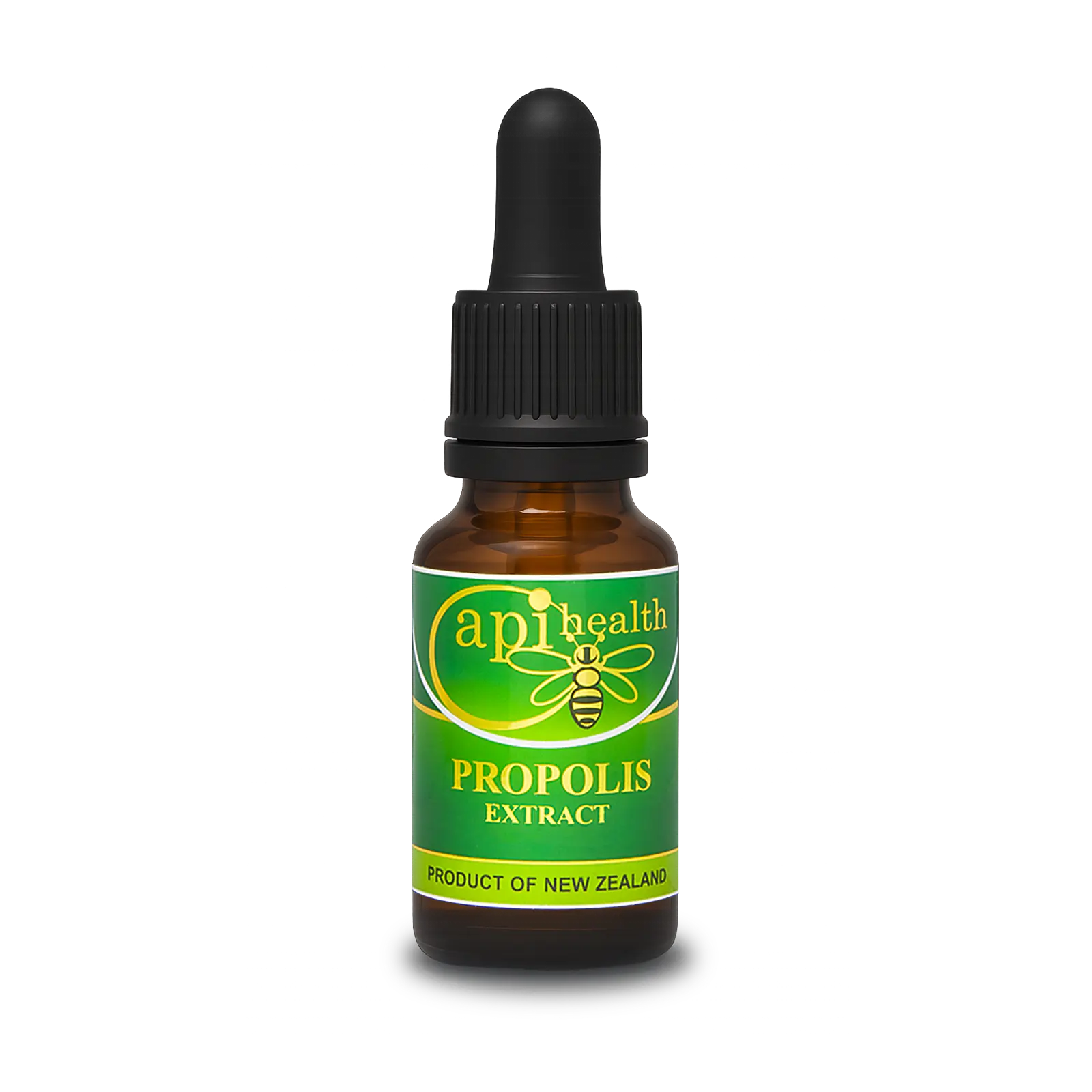
Propolis Extract
Potent New Zealand propolis liquid extract in an alcohol base for powerful immune support.
$21.00
Related Articles
View all
Bee Products for Longevity: How Manuka Honey, VENZ™, Propolis and Royal Jelly Support Healthy Ageing
Manuka honey, bee venom, propolis and royal jelly are often grouped together as bee products for longevity. Here is what the science says about each one.
Bee Products for Women's Health: What the Science Suggests
A simple, science-aware guide to bee products for women's health: royal jelly, bee pollen and propolis for hormonal balance, energy and daily wellness.
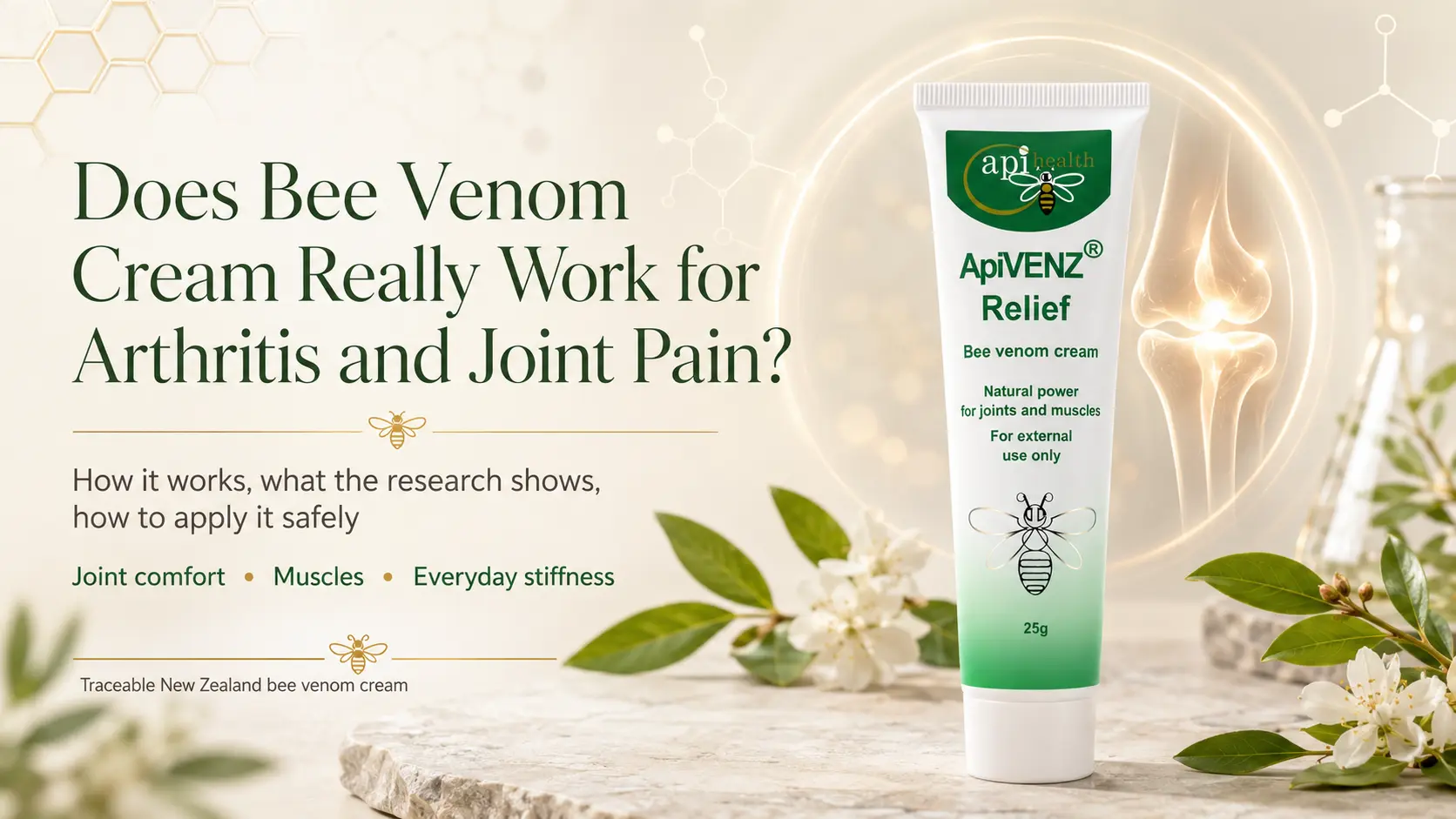
Does Bee Venom Cream Really Work for Arthritis and Joint Pain?
Does bee venom cream actually help arthritis and joint pain? Here is how it works, what the research really shows, how to apply it safely, and where to find a traceable New Zealand bee venom cream.
Shop ApiHealth
Ready to bring the hive home?
Explore our New Zealand-made Manuka honey, VENZ bee venom, propolis and natural wellness range, crafted by our family of beekeepers and researchers.