
Published by Dr. Tatiana Nikolaeva
Manuka honey is used in hospital wound care worldwide under the brand Medihoney. Its methylglyoxal (MGO) provides antibacterial activity against wound pathogens including MRSA, while its osmotic properties maintain a moist healing environment that promotes faster tissue regeneration and reduces scarring. Clinical evidence supports its use for chronic wounds, burns, surgical sites, and diabetic ulcers.
This isn't alternative medicine, medical-grade Manuka honey is an FDA-cleared, CE-marked wound care product used in hospitals. The same science applies when you use quality Manuka honey at home for minor wounds. Here's what the clinical evidence shows.
This article is educational and is not a substitute for medical advice. Always follow product labels and speak with a qualified health professional for personal health concerns.
Why Honey Works for Wounds (The Science)
Manuka honey promotes wound healing through multiple simultaneous mechanisms:
1. Antibacterial Action
MGO in Manuka honey is effective against a wide range of wound pathogens, including:
- MRSA (Methicillin-resistant Staphylococcus aureus), one of the most common causes of antibiotic-resistant wound infections
- Pseudomonas aeruginosa: particularly problematic in burn wounds and chronic wounds
- Streptococcus species: common in surgical site infections
- Biofilm-forming bacteria: Manuka honey has been shown to disrupt bacterial biofilms, which are a major barrier to wound healing
Crucially, unlike antibiotics, no bacterial resistance to Manuka honey has been documented. This makes it particularly valuable in an era of growing antibiotic resistance.
2. Moist Healing Environment
Honey's high viscosity and osmotic properties create an ideal moist wound environment. Modern wound care science has established that moist healing is faster and produces less scarring than dry healing. Honey:
- Draws moisture to the wound bed through osmosis
- Prevents the dressing from sticking to new tissue
- Maintains optimal moisture without waterlogging the wound
3. Supporting a Normal Inflammatory Response
Chronic inflammation is one of the main barriers to wound healing, especially in chronic wounds. Manuka honey modulates the inflammatory response, reducing excessive inflammation while supporting the body's natural healing processes.
4. Debridement
Honey's osmotic action helps lift dead tissue (autolytic debridement), cleaning the wound bed without damaging healthy tissue. This is gentler than surgical or chemical debridement methods.
5. Odour Reduction
Malodorous wounds are a significant quality-of-life issue for patients. Honey reduces wound odour by providing bacteria with glucose as an energy source instead of amino acids, the bacterial metabolism of glucose produces lactic acid instead of the malodorous compounds (ammonia, amines, sulphur compounds) produced from amino acid metabolism.
Clinical Evidence
The evidence base for Manuka honey in wound care is substantial:
- Cochrane Review (2015): found that honey dressings supports recovery partial-thickness burns faster than conventional dressings
- Multiple RCTs: have demonstrated Manuka honey's effectiveness for diabetic foot ulcers, venous leg ulcers, and pressure injuries
- In vitro studies: consistently show MGO-dependent antibacterial activity, including against biofilms and antibiotic-resistant strains
- Hospital protocols: medical-grade Manuka honey (Medihoney) is included in wound care guidelines in hospitals across the UK, Australia, New Zealand, Europe, and North America
Types of Wounds Manuka Honey Can Help
| Wound Type | Evidence Level | Notes |
|---|---|---|
| Minor cuts and scrapes | Strong | Excellent for everyday first aid |
| Minor burns | Strong | Cochrane-reviewed evidence for partial-thickness burns |
| Surgical wounds | Moderate | Used post-operatively in some hospital protocols |
| Diabetic ulcers | Moderate | Clinical trials show improved healing rates |
| Venous leg ulcers | Moderate | Particularly useful when conventional treatments have failed |
| Pressure injuries | Moderate | Helps maintain moist environment and fight infection |
| Infected wounds | Strong | Effective against MRSA and biofilm-forming bacteria |
How to Use Manuka Honey for Minor Wounds at Home
- Clean the wound: rinse gently with clean water or saline to remove dirt and debris
- Pat dry the surrounding skin (not the wound bed itself)
- Apply a thin layer of UMF 15+ or higher Manuka honey directly to the wound. Use enough to cover the entire wound surface
- Cover with a sterile dressing: a non-stick pad or sterile gauze works well. This keeps the honey in place and prevents contamination
- Change the dressing daily: remove the old dressing (honey prevents sticking), gently clean the wound, and reapply fresh honey and a new dressing
- Continue until healed: most minor wounds show significant improvement within 3-7 days
Important: Use UMF 15+ or higher for wound care, the higher MGO content provides stronger antibacterial protection. UMF 10+ is adequate for very minor scrapes but 15+ is recommended.
When to See a Doctor
Manuka honey is excellent for minor wound care, but seek medical attention for:
- Deep wounds that may need stitches
- Wounds that show signs of serious infection (spreading redness, red streaks, fever, increasing pain)
- Animal bites
- Wounds with embedded debris that won't rinse out
- Diabetic foot wounds (these need professional assessment even if they seem minor)
- Wounds that aren't improving after 5-7 days of home treatment
Frequently Asked Questions
Is any Manuka honey suitable for wounds, or does it need to be medical grade?
Medical-grade Manuka honey (like Medihoney) is sterilised using gamma irradiation to ensure it's free of bacterial spores, important for clinical wound care. For minor home wound care, high-quality UMF 15+ Manuka honey is effective. The key is using genuine, UMF-certified honey with verified MGO content. For serious or chronic wounds, use medical-grade products or consult your healthcare provider.
Can bacteria become resistant to Manuka honey?
No cases of bacterial resistance to Manuka honey have been documented, even after prolonged exposure in laboratory studies. This is likely because honey uses multiple antibacterial mechanisms simultaneously (MGO, osmotic effect, low pH, hydrogen peroxide), making it extremely difficult for bacteria to develop resistance to all of them at once. This is a significant advantage over single-target antibiotics.
Does it sting when applied to a wound?
Some people experience a mild, temporary stinging sensation when honey is first applied to an open wound. This is due to the honey's acidity and osmotic action. The sensation typically subsides within a few minutes. If stinging is severe or persistent, remove the honey and rinse the wound.
Can I use Manuka honey on my child's cuts and scrapes?
Yes, topical application of Manuka honey on wounds is safe for children over 1 year old. It's actually a gentle alternative to antiseptic solutions that can sting. For children under 1, consult your paediatrician.
How does Manuka honey compare to antiseptic creams?
Manuka honey offers several advantages: it kills bacteria without promoting resistance, maintains a moist healing environment (antiseptics can dry wounds), reduces inflammation, promotes tissue regeneration, and reduces scarring. Most antiseptic creams kill bacteria but don't offer these additional healing benefits. However, for serious infections, antibiotic treatment prescribed by a doctor may be necessary.
The Bottom Line
Manuka honey is a studied wound care agent used in hospitals worldwide. Its combination of antibacterial activity, moist healing, inflammatory-response-supporting effects, and tissue regeneration makes it uniquely effective, and no bacterial resistance has ever been documented. For minor home wound care, UMF 15+ delivers strong antibacterial protection.
Browse our UMF Manuka Honey: every jar independently tested by Hill Laboratories, with verifiable batch certificates.
About the author
Dr. Tatiana Nikolaeva
Co-founder & Product Researcher, ApiHealth NZ
Dr. Tatiana Nikolaeva works alongside the ApiHealth research team in New Zealand, focusing on natural formulations across the company’s bee-derived wellness and skincare ranges. She writes on Manuka honey, bee pollen and everyday natural wellness.
More about the ApiHealth teamKey Ingredients
Featured Products
Related Articles
View all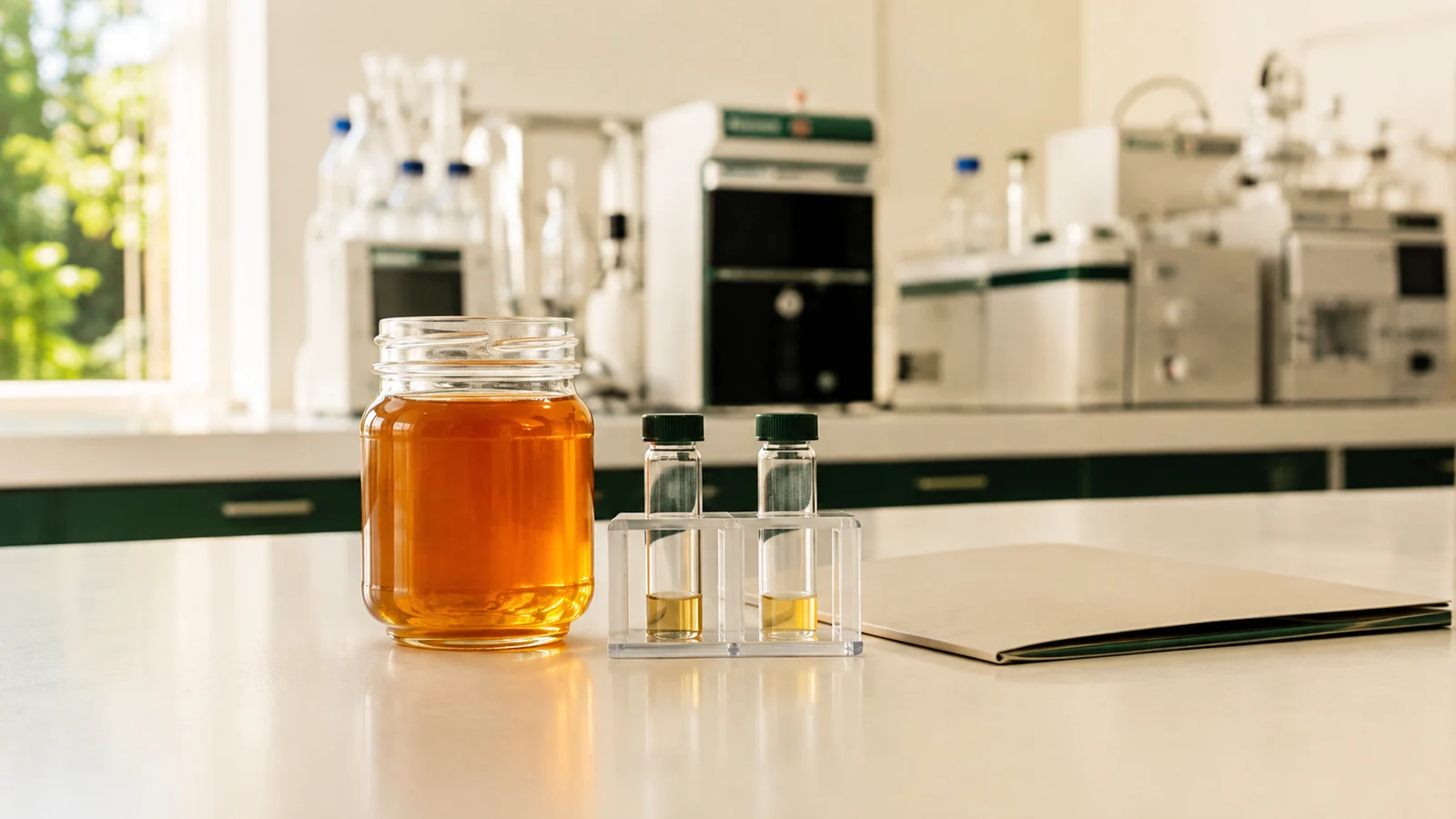
Tutin Testing in New Zealand Honey: What It Means and How to Read a Lab Certificate
Understand tutin testing in New Zealand honey, the safety limit and lab report symbols. Learn what to check and how it differs from UMF and MGO grading.
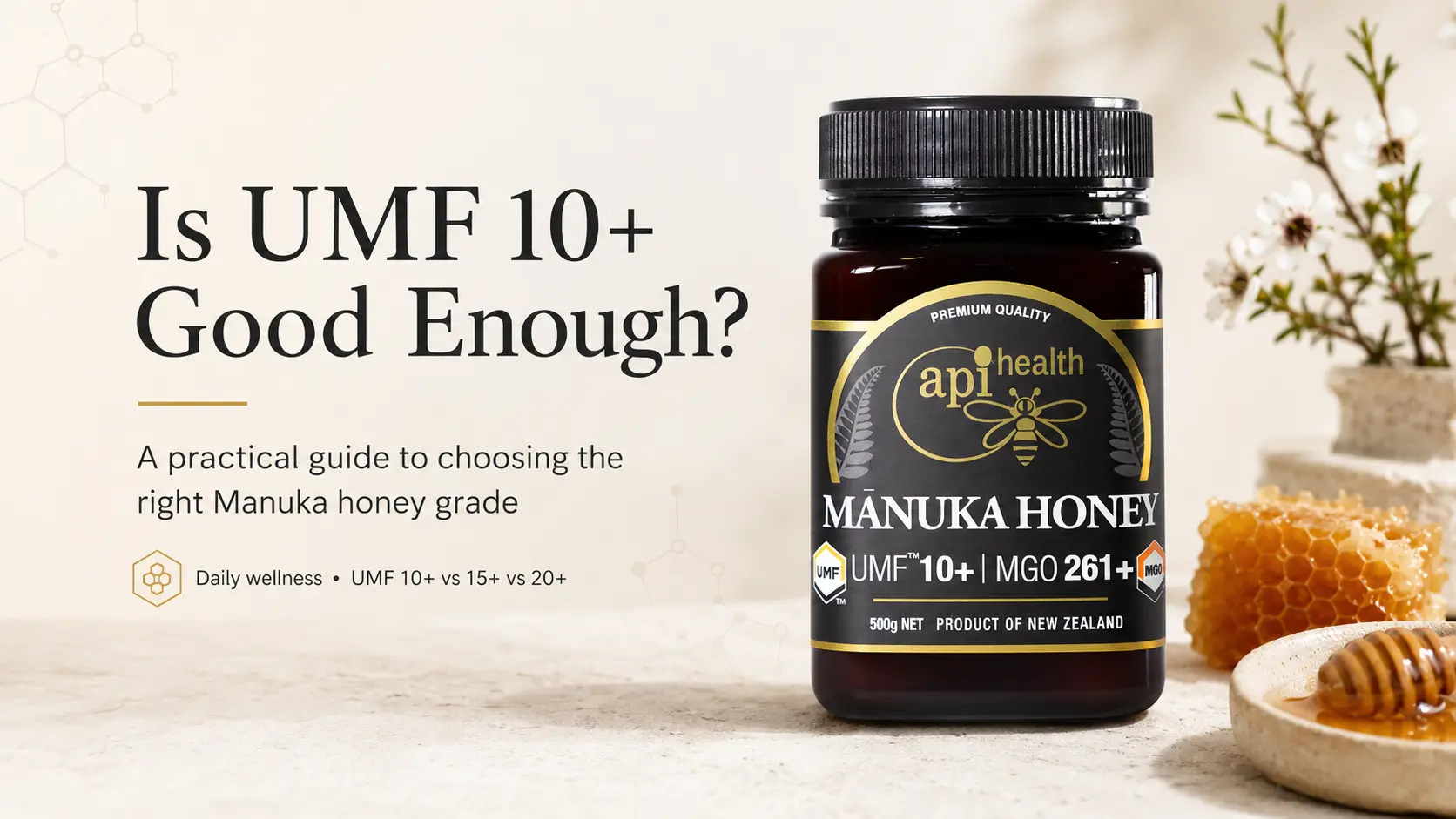
Is UMF 10+ Good Enough? When to Upgrade (and When It Is Not)
UMF 10+ is the everyday Manuka grade most people actually need. Here is when stepping up to UMF 15+ or 20+ is worth it, and when an upgrade is just money spent.
Better Together: ApiHealth Product Combinations That Support Your Goals
Some bee products complement each other naturally. Discover five practical ApiHealth combinations for joints, immunity, energy, digestion and skin, and how to build a routine that works.
Shop ApiHealth
Ready to bring the hive home?
Explore our New Zealand-made Manuka honey, VENZ bee venom, propolis and natural wellness range, crafted by our family of beekeepers and researchers.
