

Published by Dr. Nikolai Nikolaev
Quick answer: New Zealand Manuka honey is verified under New Zealand origin and testing systems, including MPI and UMF markers. Australian Manuka can be genuine honey too, but the certification systems and nectar sources are not the same.
New Zealand Manuka honey comes from Leptospermum scoparium and is regulated by the UMF grading system and MPI export standards that verify authenticity. Australian "Manuka" honey comes from related but different Leptospermum species and operates under less established authentication frameworks. Both can be quality honeys, but NZ Manuka has significantly stronger traceability, testing, and certification infrastructure.
The question of NZ vs Australian Manuka honey has sparked industry debate and even legal disputes. If you're trying to decide which to buy, here's an objective comparison of what you're actually getting.
The Botanical Difference
The Manuka tree (Leptospermum scoparium) is native to New Zealand. Australia has over 80 species of Leptospermum, some of which produce honey with similar properties, but they are different species.
The key species:
- New Zealand: Leptospermum scoparium: the original Manuka tree, sole source of UMF-graded Manuka honey
- Australia: Multiple Leptospermum species including L. polygalifolium (Jellybush), L. liversidgei, and others, some produce honey with MGO, but at different levels and with different compound profiles
This matters because the bioactive compound profile, particularly DHA, MGO, and leptosperin levels, varies between species. The UMF system was specifically developed for and validated against NZ L. scoparium honey.
Regulation and Certification
| New Zealand Manuka | Australian "Manuka" | |
|---|---|---|
| Government definition | MPI scientific definition (2017): 4 chemical + 1 DNA marker | No equivalent government standard for "Manuka" labelling |
| Grading system | UMF (UMFHA), independent, trademarked, batch-tested | Various systems (MGO, NPA, bioactive ratings), no single standard |
| Authenticity testing | Leptosperin + DHA + MGO + HMF (4-marker test) | Varies by producer, no mandatory multi-marker testing |
| Export controls | MPI testing required for all Manuka honey exports from NZ | No equivalent Manuka-specific export testing |
| Trademark protection | "Manuka" protected as NZ product in some markets; UMF is a registered trademark | Australia has challenged NZ's claim to the "Manuka" name |
| Lab testing | Independent accredited labs (Hill Labs, Analytica) for every UMF batch | Depends on the brand |
The "Manuka" Name Dispute
New Zealand and Australia have been in an ongoing dispute over who can use the term "Manuka." New Zealand argues that Manuka specifically refers to L. scoparium and the honey tradition developed there. Australian producers argue their Leptospermum honeys share similar properties and should also be called Manuka.
In several international markets, the term "Manuka" has been trademarked or protected for NZ-origin honey. However, enforcement varies by country, meaning Australian honey labelled as "Manuka" is still widely available in some markets.
For consumers, this means: the label "Manuka" alone doesn't guarantee origin. You need to check the certification and country of origin.
MGO and Bioactive Compounds
Both NZ and Australian Leptospermum honeys can contain MGO, but there are differences:
- NZ Manuka consistently produces honey with high DHA (which converts to MGO), resulting in reliable, high-MGO grades up to UMF 25+ (MGO 1200+)
- Australian varieties can produce MGO, but levels vary significantly between species and regions. Some Australian Leptospermum honeys have comparable MGO to lower-grade NZ Manuka, while others have very little
- Leptosperin, the key authenticity marker in NZ Manuka, is specific to L. scoparium. Australian species may contain different marker compounds, making direct comparison difficult
Quality and Traceability
This is where NZ Manuka has the clearest advantage. The combination of:
- MPI government definition: every export batch must meet a scientific standard
- UMF independent grading: voluntary but widely adopted, with batch-level lab testing
- Established testing infrastructure: decades of research, accredited labs, and standardised methods
- Producer traceability: batch numbers linked to lab certificates (like our verification page)
..means NZ Manuka honey has a level of authentication that Australian alternatives currently don't match. This doesn't mean all Australian Leptospermum honey is bad, some producers maintain high standards, but the system-level infrastructure for verification is stronger in New Zealand.
Price Comparison
Australian Leptospermum honey is generally cheaper than equivalent-grade NZ Manuka. This partly reflects:
- Lower testing and certification costs (fewer mandatory requirements)
- Different supply dynamics (Australia has more Leptospermum species across a larger area)
- Less established brand premium compared to NZ Manuka
The price difference isn't necessarily about quality, it reflects the cost of the entire authentication ecosystem that NZ has built around Manuka honey.
Our Perspective
As a New Zealand manufacturer, we're obviously invested in NZ Manuka. But our position is straightforward: buy what you can verify.
If a jar has a UMF grade, a batch number, and you can look up the lab certificate, you know exactly what you're getting. If it doesn't have those things, regardless of where it comes from, you're taking the producer's word for it.
ApiHealth is UMFHA licensed, Hill Labs tested, and every batch is verifiable online. That's the standard we think all Manuka honey should meet.
Related ApiHealth Guides
Frequently Asked Questions
Is Australian Manuka honey fake?
Not necessarily. Australia does produce genuine honey from Leptospermum species with bioactive properties. However, it comes from different species than NZ Manuka, and the authentication and grading infrastructure is less developed. Some Australian products are high quality; others may not be what they claim. Without a system like UMF, it's harder for consumers to verify.
Why is NZ Manuka honey more expensive?
NZ Manuka honey carries the cost of mandatory MPI testing, UMF licensing and independent lab fees, strict traceability requirements, and limited supply (the NZ Manuka flowering season is short and weather-dependent). You're paying for a verified, traceable product backed by a mature authentication ecosystem.
Can Australian honey have UMF certification?
No. UMF is a New Zealand trademark administered by the UMFHA. Only licensed NZ producers can use the UMF mark. Australian producers use alternative grading systems (MGO, NPA, or proprietary ratings), but these are not equivalent to UMF's multi-marker authentication.
Does the Manuka tree only grow in New Zealand?
Leptospermum scoparium (the true Manuka tree) is native to New Zealand, though it has been introduced in small quantities elsewhere. Australia has its own native Leptospermum species, over 80 of them, but they are botanically distinct from NZ Manuka. The honey they produce has a different compound profile.
Which should I buy?
If you want the highest assurance of authenticity, traceability, and tested quality, choose UMF-certified New Zealand Manuka honey. If price is a primary concern and you're comfortable with less formal verification, some Australian Leptospermum honeys offer reasonable quality at a lower price point, but check what testing the producer provides.
The Bottom Line
Both countries produce honey from Leptospermum trees, but New Zealand's Manuka honey industry has the most established authentication system in the world, government standards, independent grading, mandatory testing, and batch-level traceability. When you buy UMF-certified NZ Manuka, you know what you're getting.
Browse our UMF Manuka Honey: sourced, tested, and packed in New Zealand. Every jar traceable to its Hill Laboratories certificate.

About the author
Dr. Nikolai Nikolaev
Founder & Lead Researcher, ApiHealth NZ
Dr. Nikolai Nikolaev founded ApiHealth in New Zealand and has spent more than 25 years researching bee-derived health products. He pioneered the company’s patented VENZ bee venom collection technology and leads its work on apitherapy, Manuka honey and propolis.
More about the ApiHealth teamKey Ingredients
Featured Products
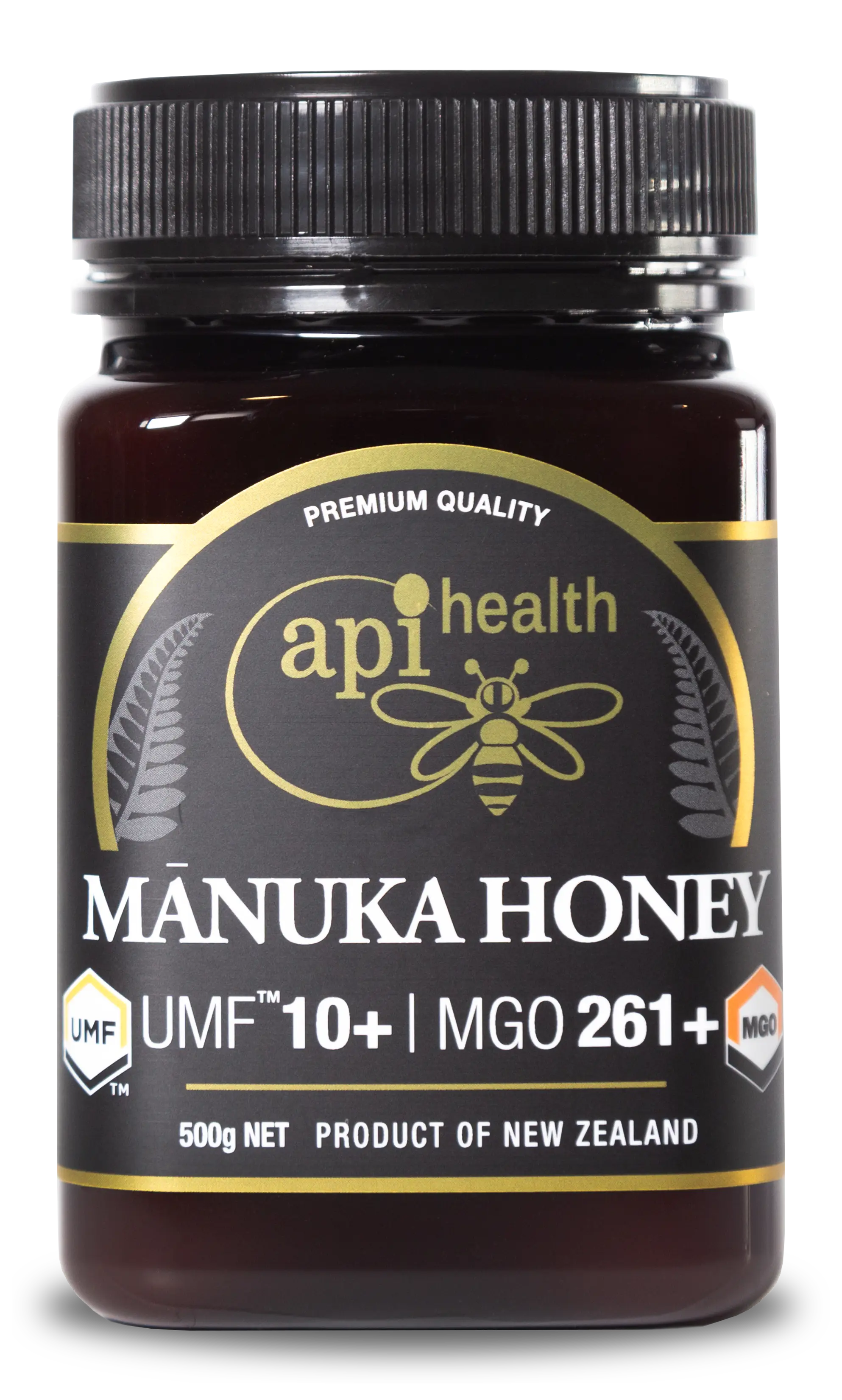
Manuka Honey UMF 10+
Premium New Zealand Manuka honey UMF 10 for everyday wellness and natural support.
$29.00
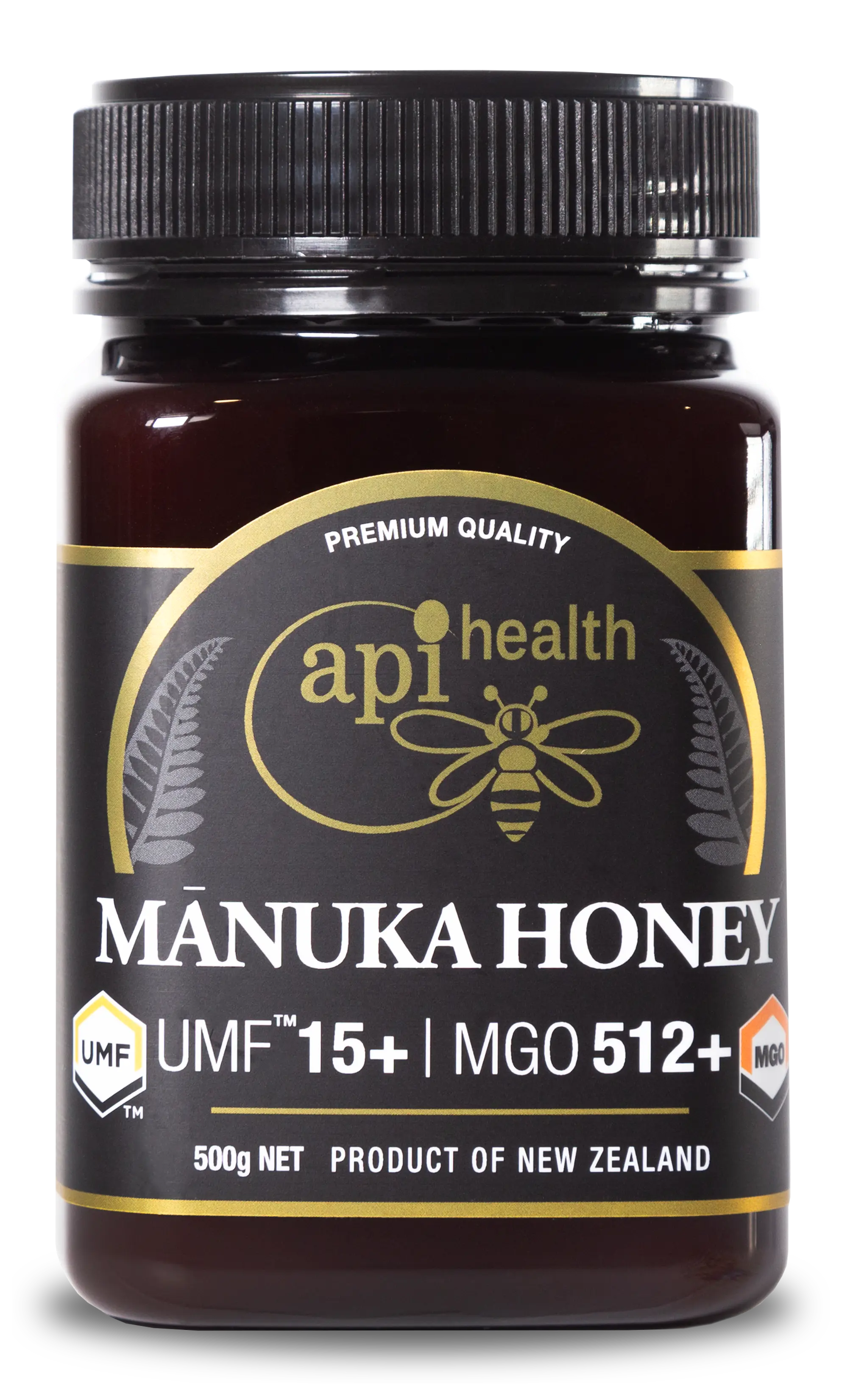
Manuka Honey UMF 15+
Premium New Zealand Manuka honey UMF 15 for everyday wellness and natural support.
$70.00
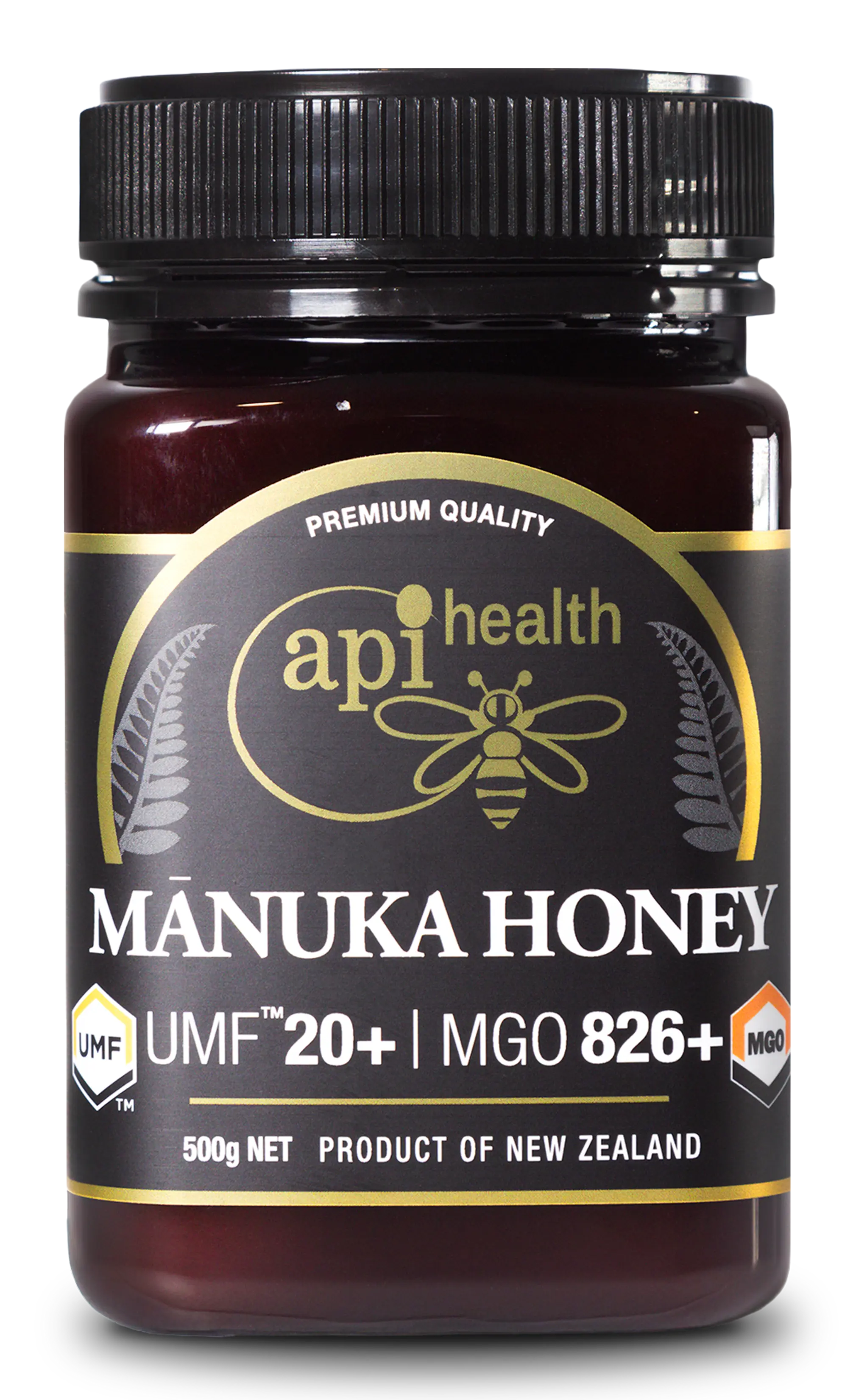
Manuka Honey UMF 20+
Premium New Zealand Manuka honey UMF 20 for everyday wellness and natural support.
$75.00
Related Articles
View all
Tutin Testing in New Zealand Honey: What It Means and How to Read a Lab Certificate
Understand tutin testing in New Zealand honey, the safety limit and lab report symbols. Learn what to check and how it differs from UMF and MGO grading.
Is UMF 10+ Good Enough? When to Upgrade (and When It Is Not)
UMF 10+ is the everyday Manuka grade most people actually need. Here is when stepping up to UMF 15+ or 20+ is worth it, and when an upgrade is just money spent.
Better Together: ApiHealth Product Combinations That Support Your Goals
Some bee products complement each other naturally. Discover five practical ApiHealth combinations for joints, immunity, energy, digestion and skin, and how to build a routine that works.
Shop ApiHealth
Ready to bring the hive home?
Explore our New Zealand-made Manuka honey, VENZ bee venom, propolis and natural wellness range, crafted by our family of beekeepers and researchers.
