
Published by Dr. Tatiana Nikolaeva
Quick answer: MGO measures one key compound in Manuka honey, while UMF is a broader New Zealand grading system that checks potency, authenticity, and freshness markers. For shoppers, UMF is the most complete trust signal and MGO is the easiest potency number to compare.
Quick tool: Use our UMF to MGO converter to instantly convert any Manuka honey rating both ways, with the full conversion chart.
UMF (Unique Manuka Factor) and MGO (Methylglyoxal) are two different grading systems for Manuka honey. MGO measures only the concentration of methylglyoxal, the key antibacterial compound. UMF is a more comprehensive system that tests for MGO plus three additional markers (DHA, leptosperin, and HMF), providing a fuller picture of authenticity and quality. Both are legitimate, but UMF is the only system independently verified by the UMFHA (Unique Manuka Factor Honey Association) in New Zealand.
If you've ever stood in a shop staring at two jars of Manuka honey, one labelled UMF 15+ and the other MGO 514+, and wondered what the difference is, you're not alone. It's one of the most common questions we get asked. This guide breaks it down clearly, with the conversion chart and buying advice you need to make a confident choice.
This article is educational and is not a substitute for medical advice. Always follow product labels and speak with a qualified health professional for personal health concerns.
What Is UMF?
UMF stands for Unique Manuka Factor. It's a quality trademark and grading system developed in New Zealand specifically for Manuka honey. The system is managed by the UMFHA (Unique Manuka Factor Honey Association), an independent body that licenses and audits producers.
What makes UMF different from other ratings is that it tests for four chemical markers, not just one:
- Methylglyoxal (MGO): the primary antibacterial compound
- Dihydroxyacetone (DHA): a precursor to MGO that indicates the honey's age and potency over time
- Leptosperin: a compound unique to genuine Manuka nectar, used to verify authenticity
- Hydroxymethylfurfural (HMF): an indicator of freshness and proper handling
Only licensed New Zealand producers can display the UMF trademark. Every batch must be independently tested by an approved laboratory before it can be graded. At ApiHealth, our Manuka honey is tested by Hill Laboratories, one of New Zealand's leading independent testing facilities, and every jar can be traced back to its lab certificate.
What Is MGO?
MGO stands for Methylglyoxal, the naturally occurring compound in Manuka honey that gives it its well-known antibacterial properties. When you see a label that says "MGO 250+" or "MGO 550+", it means the honey contains at least that many milligrams of methylglyoxal per kilogram.
MGO is a straightforward, single-compound measurement. It tells you the antibacterial strength of the honey, but it doesn't verify authenticity on its own. Methylglyoxal can technically be present in non-Manuka honeys, and in rare cases, synthetic MGO has been added to fraudulent products. Without additional marker testing (like leptosperin), an MGO-only label can't confirm the honey is genuinely from Manuka nectar.
That said, MGO is still a useful indicator. Many reputable brands display both UMF and MGO ratings on their labels, giving buyers the full picture.
UMF vs MGO: Key Differences
| UMF | MGO | |
|---|---|---|
| What it measures | MGO + DHA + Leptosperin + HMF | Methylglyoxal only |
| Verifies authenticity? | Yes: leptosperin confirms genuine Manuka | No. MGO alone doesn't prove Manuka origin |
| Governed by | UMFHA (NZ registered trademark) | No single governing body |
| Independent testing | Required for every batch | Depends on the brand |
| Grading scale | UMF 5+ to UMF 25+ | MGO 30+ to MGO 1200+ |
| Cost to producers | Higher (license + lab fees per batch) | Lower (no licensing required) |
| Consumer trust | Highest, third-party verified | Varies by brand |
UMF to MGO Conversion Chart
UMF and MGO are related, every UMF grade corresponds to a minimum MGO level. Here's the conversion:
| UMF Rating | Minimum MGO (mg/kg) | Best For |
|---|---|---|
| UMF 5+ | MGO 83+ | Daily table honey, cooking, sweetening |
| UMF 10+ | MGO 263+ | General wellness, daily immune support |
| UMF 15+ | MGO 514+ | wellness use, sore throats, digestive health |
| UMF 20+ | MGO 829+ | High-potency therapeutic, wound care support |
| UMF 25+ | MGO 1200+ | Maximum strength, specialised medicinal use |
A simple rule of thumb: UMF 10+ (MGO 263+) is the minimum recommended for health benefits. Below that, you're getting a delicious honey, but the therapeutic properties are limited.
Which Rating Should You Trust When Buying?
If you're buying Manuka honey for its health benefits, here's what to look for:
- Look for the UMF trademark on the label. It's a registered mark, brands can't legally use it without a UMFHA license and independent batch testing. This is your strongest guarantee of quality and authenticity.
- Check for both UMF and MGO ratings. Reputable NZ producers display both. If a jar only shows MGO with no UMF, it may be genuine, but there's no independent verification.
- Be cautious of vague terms. Labels that say "Active", "Bio Active", or "Total Activity" are not regulated grading systems. They sound impressive but don't guarantee Manuka-specific properties.
- Verify the batch number. Trustworthy producers let you trace every jar back to its lab certificate. At ApiHealth, you can verify your batch certificate directly on our website.
- Confirm NZ origin. Genuine UMF Manuka honey is harvested and packed in New Zealand. Check the label for NZ origin and the producer's details.
How ApiHealth Ensures Quality
Every batch of ApiHealth Manuka honey goes through a rigorous process before it reaches you:
- UMFHA licensed: we hold a current licence with the Unique Manuka Factor Honey Association
- Hill Laboratories tested: every batch is independently analysed by one of New Zealand's most trusted labs
- Full traceability: every jar has a batch number you can verify on our certificate page to view the actual lab results
- Packed in New Zealand: sourced, tested, and packed right here in NZ
We believe transparency builds trust. That's why we don't just tell you our honey is UMF-certified, we let you see the lab data for yourself.
Related ApiHealth Guides
Frequently Asked Questions
Is UMF better than MGO?
UMF is more comprehensive because it tests four chemical markers, not just methylglyoxal. It also verifies authenticity through leptosperin testing. MGO tells you the antibacterial strength, but UMF tells you the full story, strength, freshness, and genuineness.
What UMF strength should I buy?
It depends on your goal. UMF 5+ is fine for everyday use as a table honey. UMF 10+ is the entry point for health benefits and daily immune support. UMF 15+ is recommended for wellness use like sore throats or digestive support. UMF 20+ and above are high-potency options for targeted health needs.
Can MGO ratings be faked?
Unfortunately, yes. Synthetic methylglyoxal can be added to honey to inflate MGO numbers. This is one of the key reasons UMF testing exists, it checks for leptosperin (which can only come from genuine Manuka nectar) and DHA levels, making adulteration much harder to hide.
Why is UMF Manuka honey more expensive?
UMF certification requires independent laboratory testing for every batch, plus annual UMFHA licensing and auditing fees. These costs ensure quality and traceability. You're paying for proof, not just a number on a label.
Does higher MGO always mean better honey?
Higher MGO means stronger antibacterial activity, which matters for wellness use. However, for everyday wellness, UMF 10+ to 15+ (MGO 263-514) is the sweet spot. Beyond MGO 800+, the practical differences for daily use become minimal, though these ultra-high grades are valued for specific medicinal applications.
The Bottom Line
Both UMF and MGO are legitimate ways to grade Manuka honey, but they serve different purposes. MGO tells you the potency. UMF tells you the potency, authenticity, and freshness, all verified by an independent body.
If you want confidence that your Manuka honey is genuine, tested, and traceable, look for the UMF trademark backed by a batch certificate you can actually check.
Browse our UMF Manuka Honey range: every jar independently tested and traceable to its Hill Laboratories certificate.
About the author
Dr. Tatiana Nikolaeva
Co-founder & Product Researcher, ApiHealth NZ
Dr. Tatiana Nikolaeva works alongside the ApiHealth research team in New Zealand, focusing on natural formulations across the company’s bee-derived wellness and skincare ranges. She writes on Manuka honey, bee pollen and everyday natural wellness.
More about the ApiHealth teamKey Ingredients
Featured Products
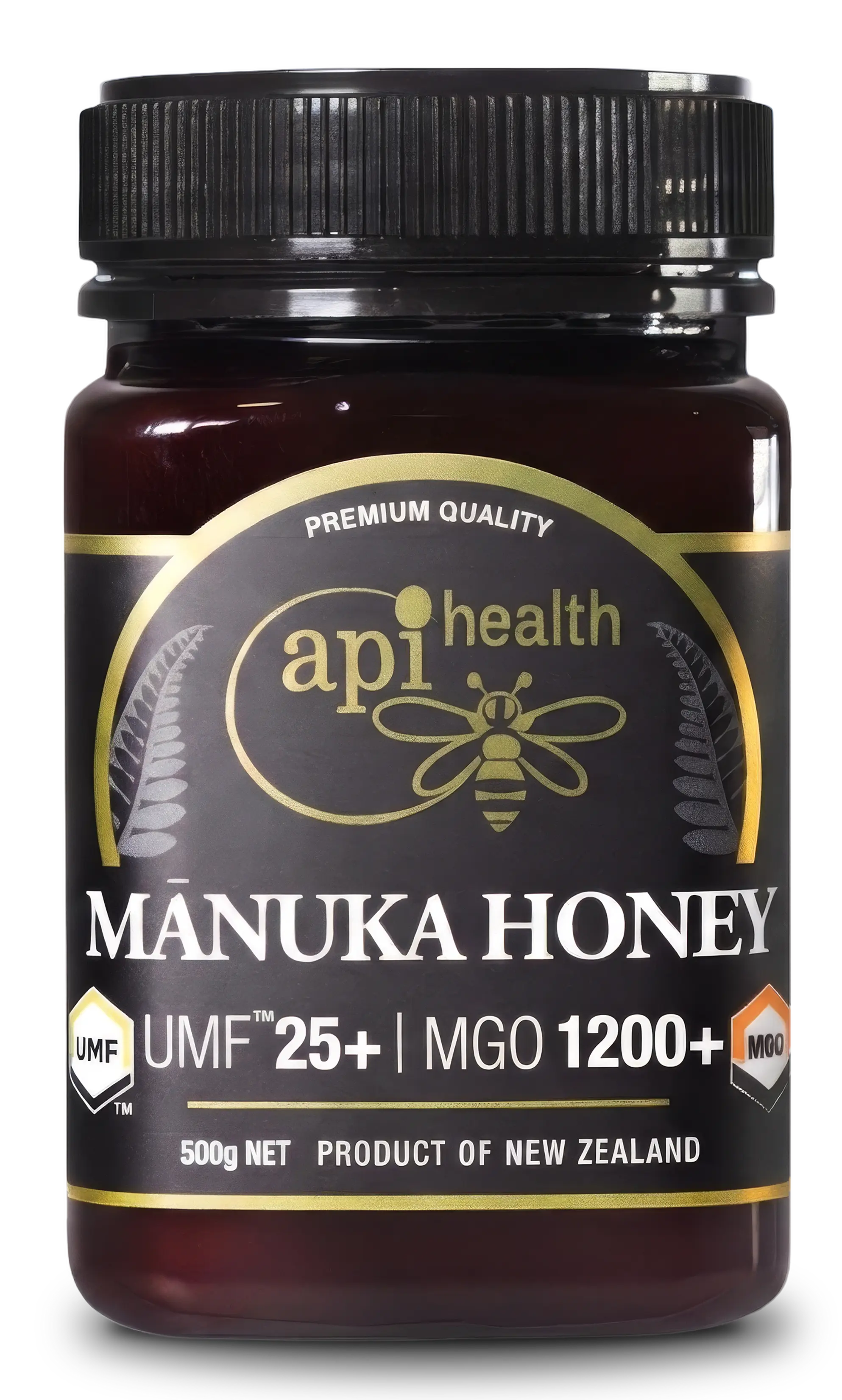
Manuka Honey UMF 25+
Premium New Zealand Manuka honey UMF 25 for everyday wellness and natural support.
$300.00
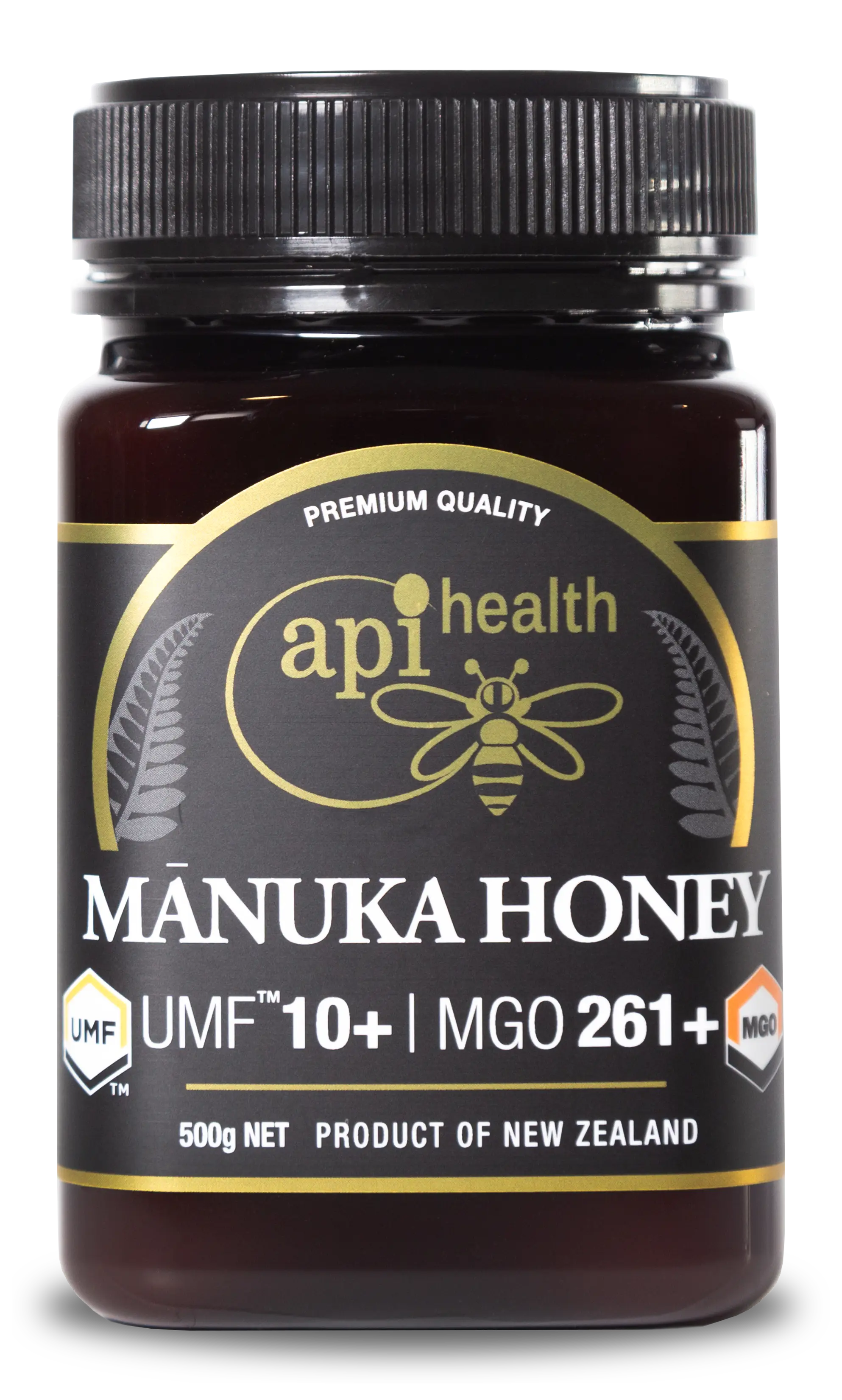
Manuka Honey UMF 10+
Premium New Zealand Manuka honey UMF 10 for everyday wellness and natural support.
$29.00
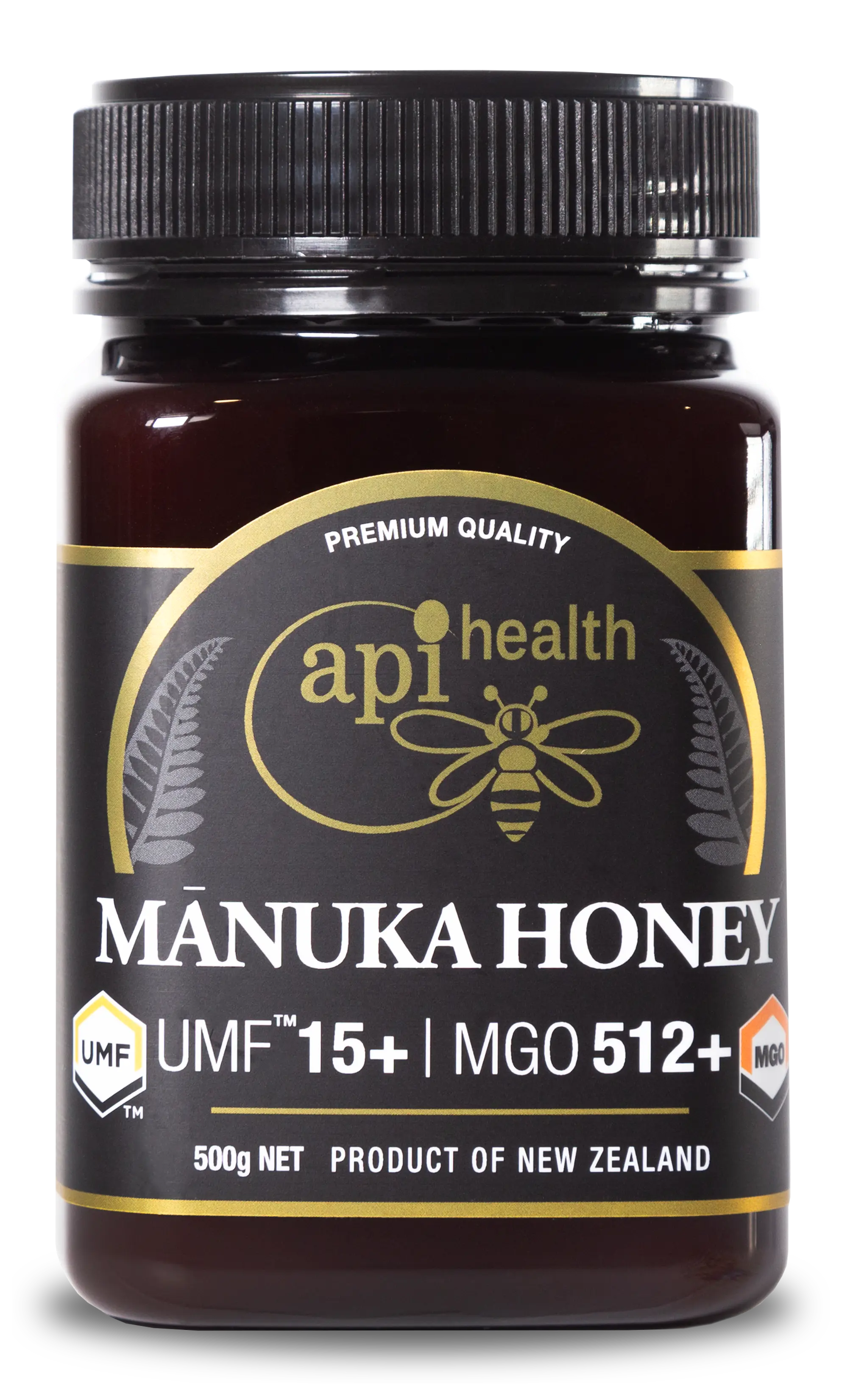
Manuka Honey UMF 15+
Premium New Zealand Manuka honey UMF 15 for everyday wellness and natural support.
$70.00
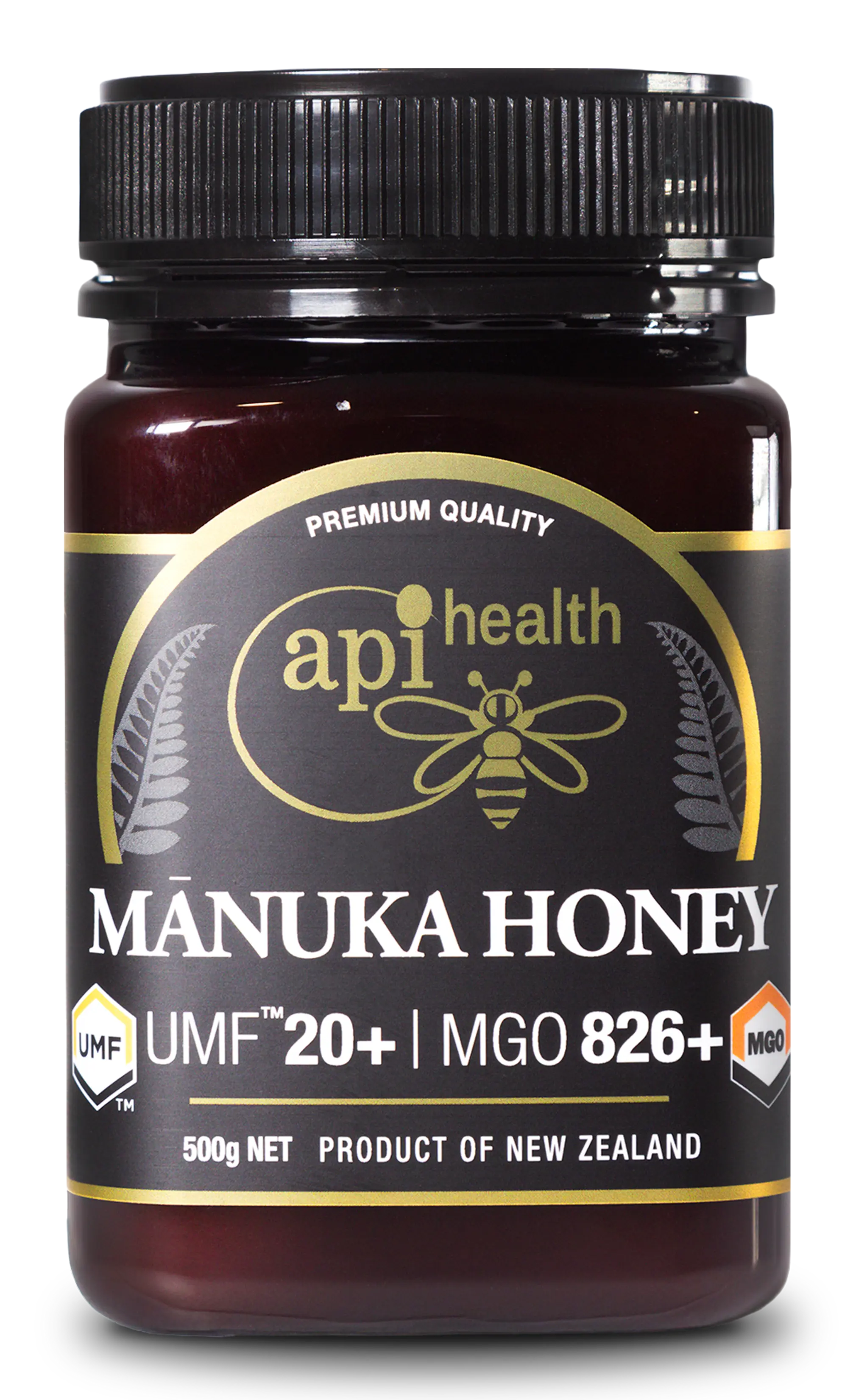
Manuka Honey UMF 20+
Premium New Zealand Manuka honey UMF 20 for everyday wellness and natural support.
$75.00
Related Articles
View all
Tutin Testing in New Zealand Honey: What It Means and How to Read a Lab Certificate
Understand tutin testing in New Zealand honey, the safety limit and lab report symbols. Learn what to check and how it differs from UMF and MGO grading.
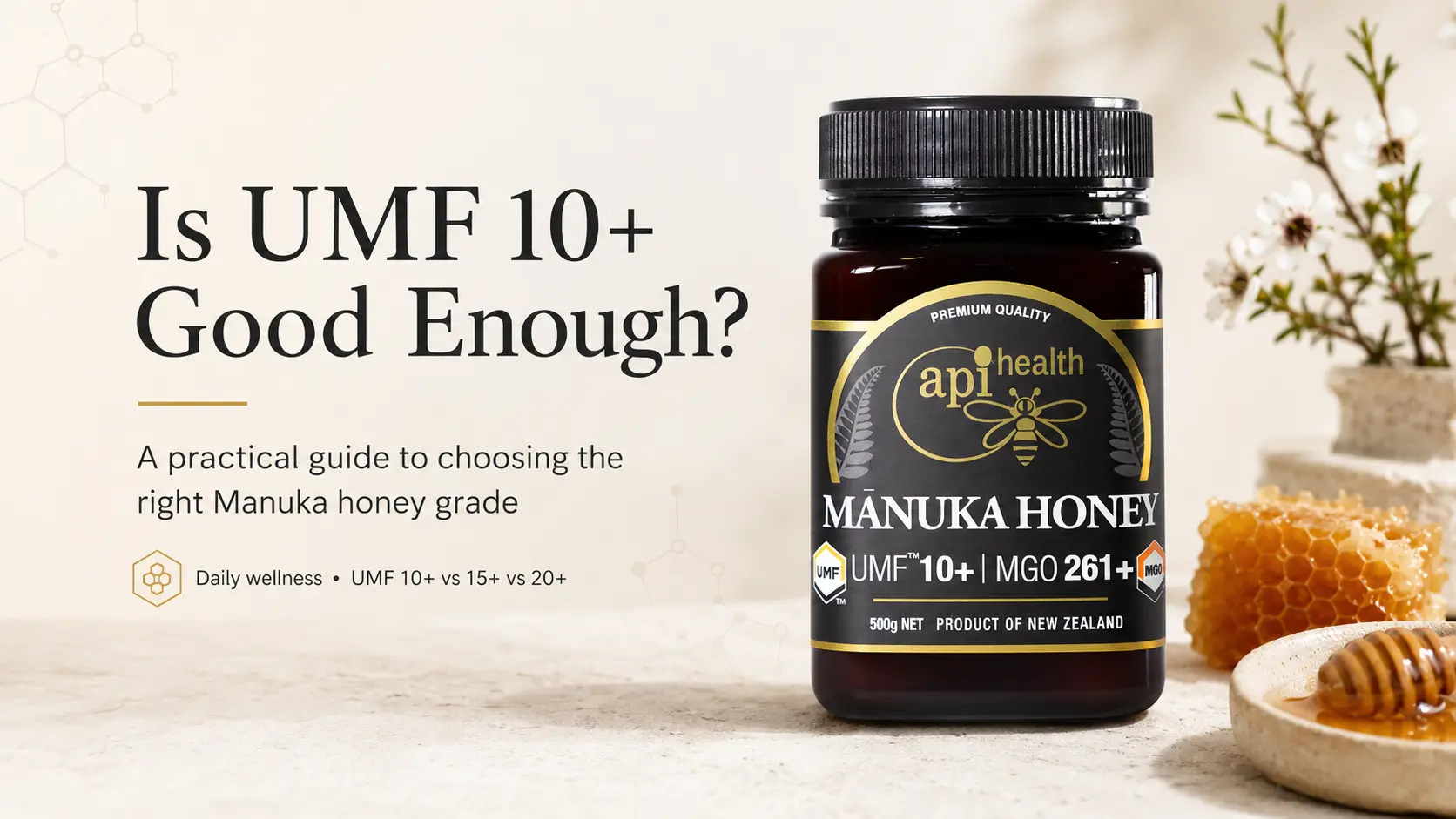
Is UMF 10+ Good Enough? When to Upgrade (and When It Is Not)
UMF 10+ is the everyday Manuka grade most people actually need. Here is when stepping up to UMF 15+ or 20+ is worth it, and when an upgrade is just money spent.
Better Together: ApiHealth Product Combinations That Support Your Goals
Some bee products complement each other naturally. Discover five practical ApiHealth combinations for joints, immunity, energy, digestion and skin, and how to build a routine that works.
Shop ApiHealth
Ready to bring the hive home?
Explore our New Zealand-made Manuka honey, VENZ bee venom, propolis and natural wellness range, crafted by our family of beekeepers and researchers.
