

Published by Dr. Nikolai Nikolaev
Quick answer: MGO, or methylglyoxal, is one of the main compounds used to measure Manuka honey potency. Higher MGO numbers generally indicate stronger tested Manuka activity, while UMF adds broader authenticity and freshness checks.
MGO (Methylglyoxal) is a naturally occurring compound in Manuka honey that gives it its unique antibacterial properties. It forms when dihydroxyacetone (DHA) from Manuka nectar slowly converts to MGO over time. The MGO number on a jar (e.g., MGO 263+) tells you the minimum concentration in milligrams per kilogram. Higher MGO means stronger antibacterial activity.
MGO is what makes Manuka honey different from every other honey in the world. While all honeys have some antibacterial activity (from hydrogen peroxide), Manuka honey has an additional, unique antibacterial mechanism that comes specifically from its MGO content. Here's exactly how it works.
This article is educational and is not a substitute for medical advice. Always follow product labels and speak with a qualified health professional for personal health concerns.
How MGO Forms in Manuka Honey
The process starts in the flowers of the Manuka tree (Leptospermum scoparium), which is native to New Zealand:
- Manuka flowers produce nectar that contains high levels of dihydroxyacetone (DHA): a compound not found at significant levels in other floral nectars
- Bees collect this nectar and process it into honey in the hive
- Over time, DHA naturally converts to MGO through a non-enzymatic chemical reaction. This process continues after the honey is harvested and jarred
- The MGO level increases as the honey ages (when stored correctly), meaning fresh Manuka honey can actually become more potent over time
This is why Manuka honey from New Zealand is unique, the Manuka tree produces nectar with unusually high DHA, which becomes the MGO that gives the honey its special properties.
Why MGO Matters
Unique Antibacterial Mechanism
Regular honey's antibacterial activity comes primarily from hydrogen peroxide, which is produced by the enzyme glucose oxidase. The problem: hydrogen peroxide is quickly broken down by catalase enzymes in the body.
MGO works differently. It's stable: it isn't neutralised by body enzymes, so it continues working after you swallow the honey. This is called "non-peroxide antibacterial activity", and it's what researchers measure when testing Manuka honey's effectiveness.
Dose-Dependent Effectiveness
The higher the MGO, the stronger the antibacterial action. This is why the MGO rating on the jar matters, it tells you how much of this active compound is present:
| MGO Level | UMF Equivalent | Antibacterial Strength |
|---|---|---|
| MGO 83+ | UMF 5+ | Low, detectable but limited therapeutic benefit |
| MGO 263+ | UMF 10+ | Moderate, meaningful antibacterial activity |
| MGO 514+ | UMF 15+ | Strong, effective for wellness use |
| MGO 829+ | UMF 20+ | Very strong, high potency for targeted use |
| MGO 1200+ | UMF 25+ | Maximum, rare, ultra-premium grade |
What MGO Is Effective Against
Research has shown MGO to be effective against a range of pathogens, including:
- Staphylococcus aureus: including MRSA (methicillin-resistant strains)
- Streptococcus species: bacteria commonly responsible for throat infections
- Escherichia coli: a common cause of gut infections
- Helicobacter pylori: the bacterium linked to stomach ulcers
- Pseudomonas aeruginosa: associated with wound infections
MGO vs UMF: How They Relate
MGO and UMF are not competing systems, they measure different things:
- MGO rating measures a single compound: methylglyoxal concentration
- UMF rating measures MGO plus DHA, leptosperin, and HMF, providing a comprehensive quality and authenticity assessment
MGO tells you the potency. UMF tells you the potency and confirms the honey is genuine Manuka. For a full comparison, read our guide: UMF vs MGO Explained.
Can MGO Be Faked?
Unfortunately, yes. Synthetic methylglyoxal exists and can theoretically be added to honey to inflate MGO ratings. This is one of the key reasons the UMF system was developed, it tests for additional markers (particularly leptosperin) that can only come from genuine Manuka nectar and cannot be synthetically replicated.
This is why we recommend buying UMF-certified Manuka honey rather than relying on MGO ratings alone. UMF certification provides the full picture.
How to Get the Most From MGO
To preserve and maximise the MGO content in your Manuka honey:
- Don't heat it above 40°C: high temperatures degrade MGO. Never add Manuka honey to boiling water
- Store at room temperature: a cool, dark cupboard is ideal. Refrigeration isn't necessary
- Keep the lid sealed: minimise exposure to air and moisture
- Let it coat your throat: when using for sore throats, swallow slowly to maximise contact time
- Don't cook with high-grade honey: use UMF 5+ for cooking and save your UMF 10+ and above for direct consumption
Related ApiHealth Guides
Frequently Asked Questions
What's a good MGO level for health benefits?
MGO 263+ (UMF 10+) is the minimum recommended for meaningful health benefits. For wellness use like sore throats or digestive support, MGO 514+ (UMF 15+) is recommended. Below MGO 100, the antibacterial benefit is limited.
Does MGO increase over time?
Yes. DHA in the honey continues converting to MGO during storage. A jar of Manuka honey can become more potent over time when stored correctly. However, the UMF grade reflects the level at time of testing, not what it might reach later.
Is MGO found in other foods?
Yes, MGO exists in small amounts in some other foods (coffee, soy sauce), but the concentrations in Manuka honey are 20-100 times higher. No other food approaches Manuka honey's MGO levels.
Is MGO safe to consume?
At the concentrations found in Manuka honey, yes. MGO in Manuka honey has been consumed safely by millions of people for decades. The levels are therapeutic, not toxic. Studies on Manuka honey consumption consistently confirm its safety profile.
Why doesn't regular honey have high MGO?
Because regular honey doesn't come from Manuka nectar, which contains the DHA precursor. Without DHA, MGO doesn't form at significant levels. This is what makes Manuka honey unique, it's the botanical source, not the bees, that creates the difference.
The Bottom Line
MGO is the compound that makes Manuka honey unlike any other honey in the world. It provides stable, non-peroxide antibacterial activity that works even after you swallow it. The number on the jar tells you the potency, higher is stronger. For the full assurance of quality and authenticity, look for UMF certification alongside the MGO rating.
Browse our UMF Manuka Honey: every jar tested for MGO content by Hill Laboratories and traceable to its batch certificate.

About the author
Dr. Nikolai Nikolaev
Founder & Lead Researcher, ApiHealth NZ
Dr. Nikolai Nikolaev founded ApiHealth in New Zealand and has spent more than 25 years researching bee-derived health products. He pioneered the company’s patented VENZ bee venom collection technology and leads its work on apitherapy, Manuka honey and propolis.
More about the ApiHealth teamKey Ingredients
Featured Products
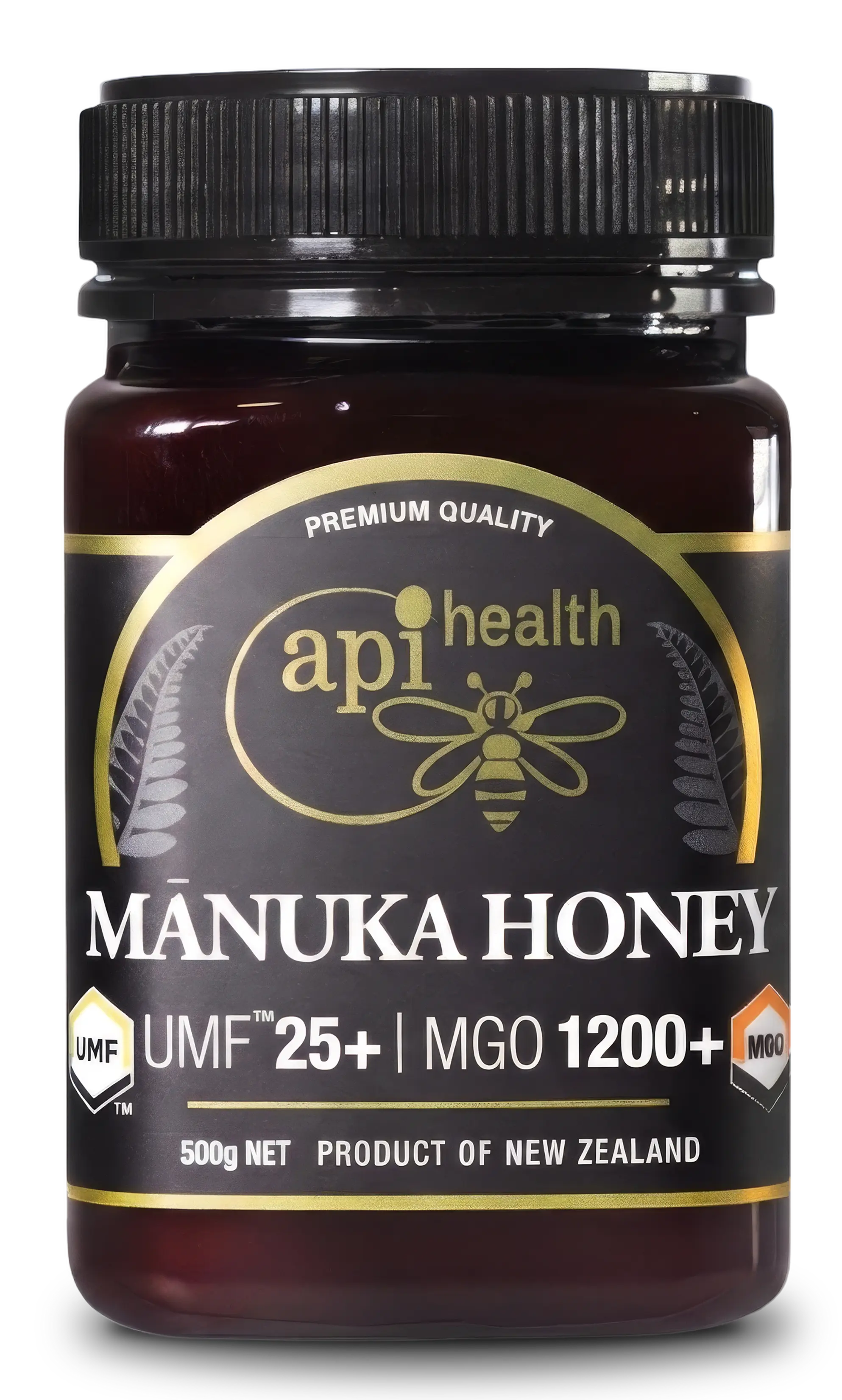
Manuka Honey UMF 25+
Premium New Zealand Manuka honey UMF 25 for everyday wellness and natural support.
$300.00
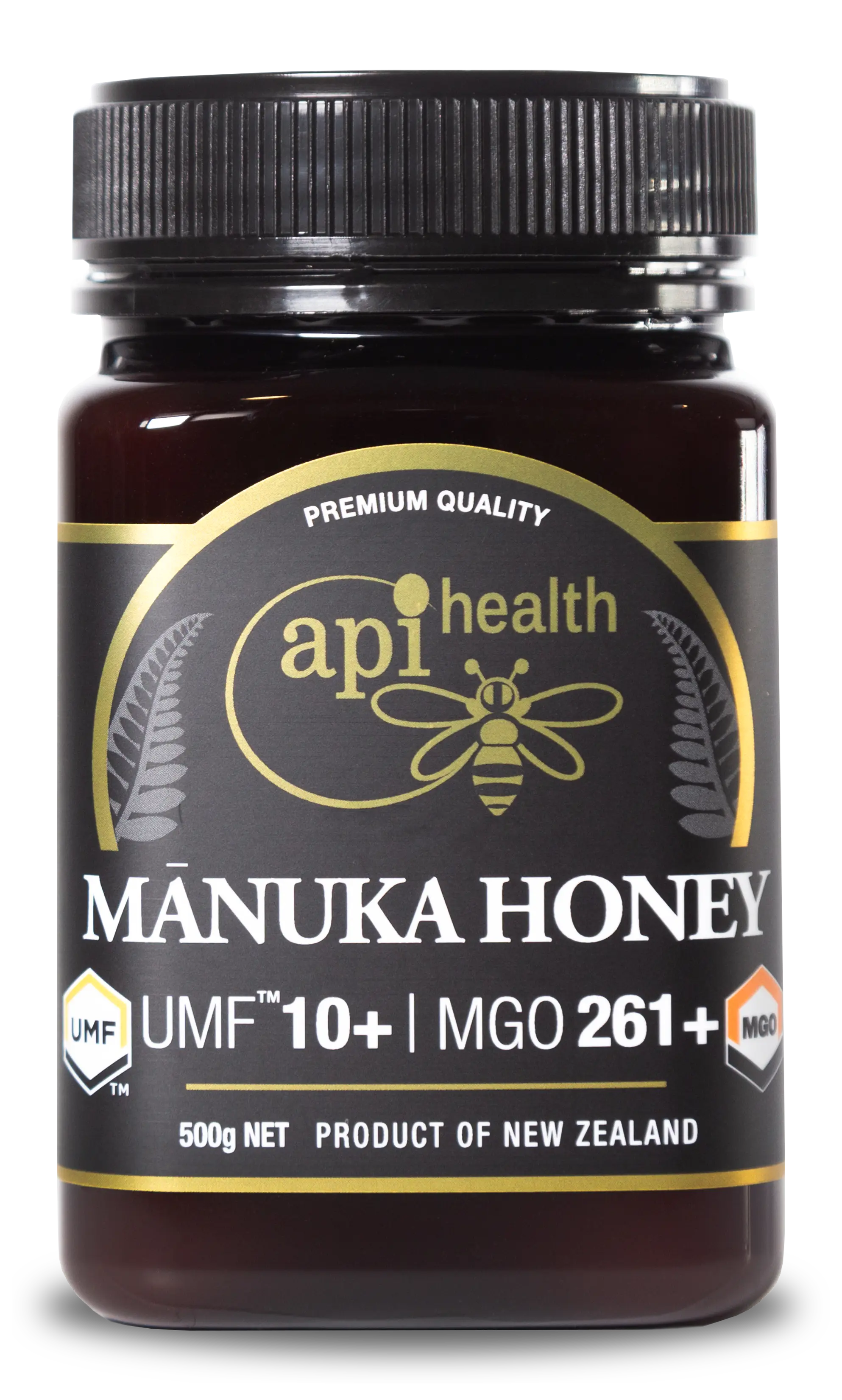
Manuka Honey UMF 10+
Premium New Zealand Manuka honey UMF 10 for everyday wellness and natural support.
$29.00
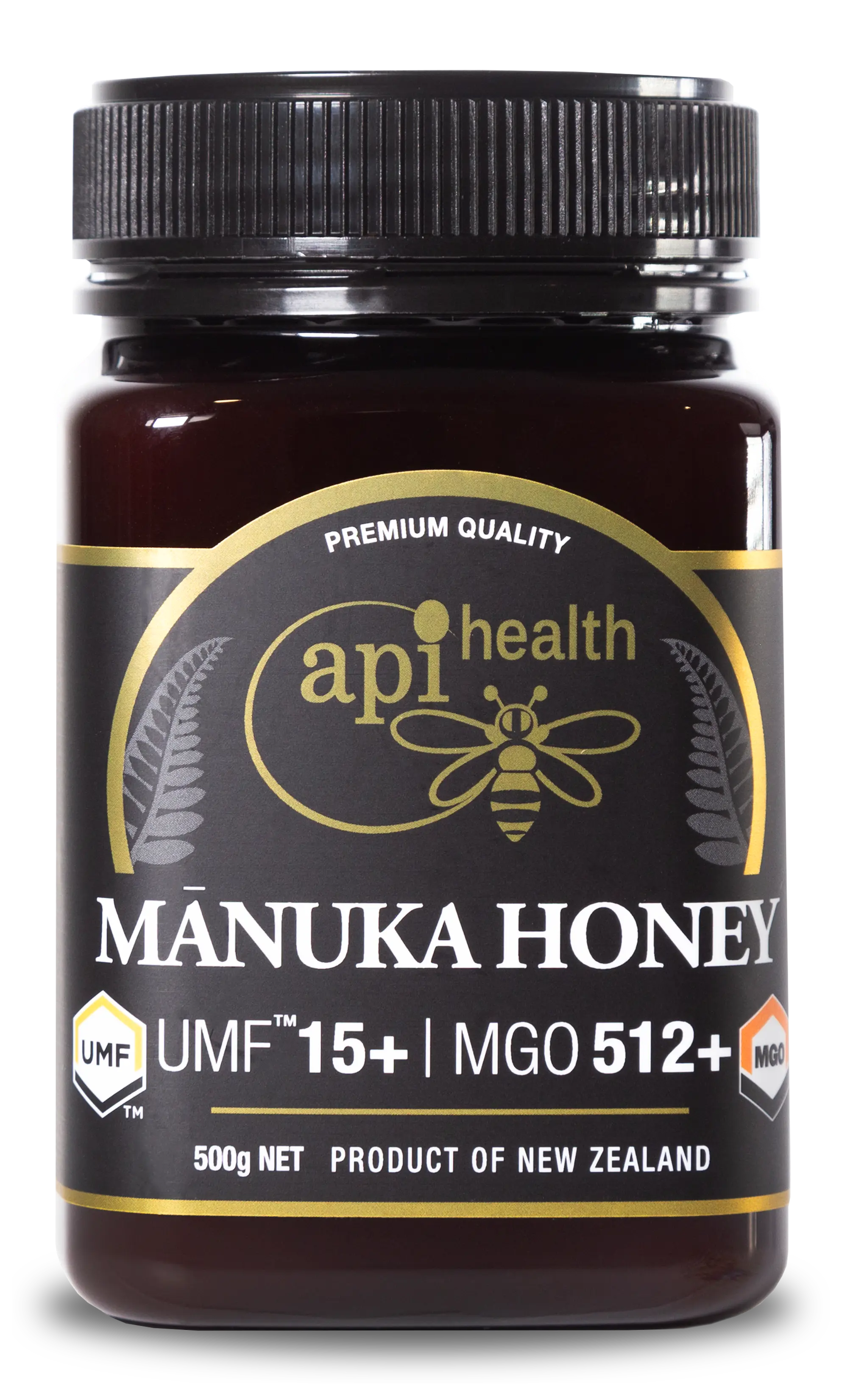
Manuka Honey UMF 15+
Premium New Zealand Manuka honey UMF 15 for everyday wellness and natural support.
$70.00
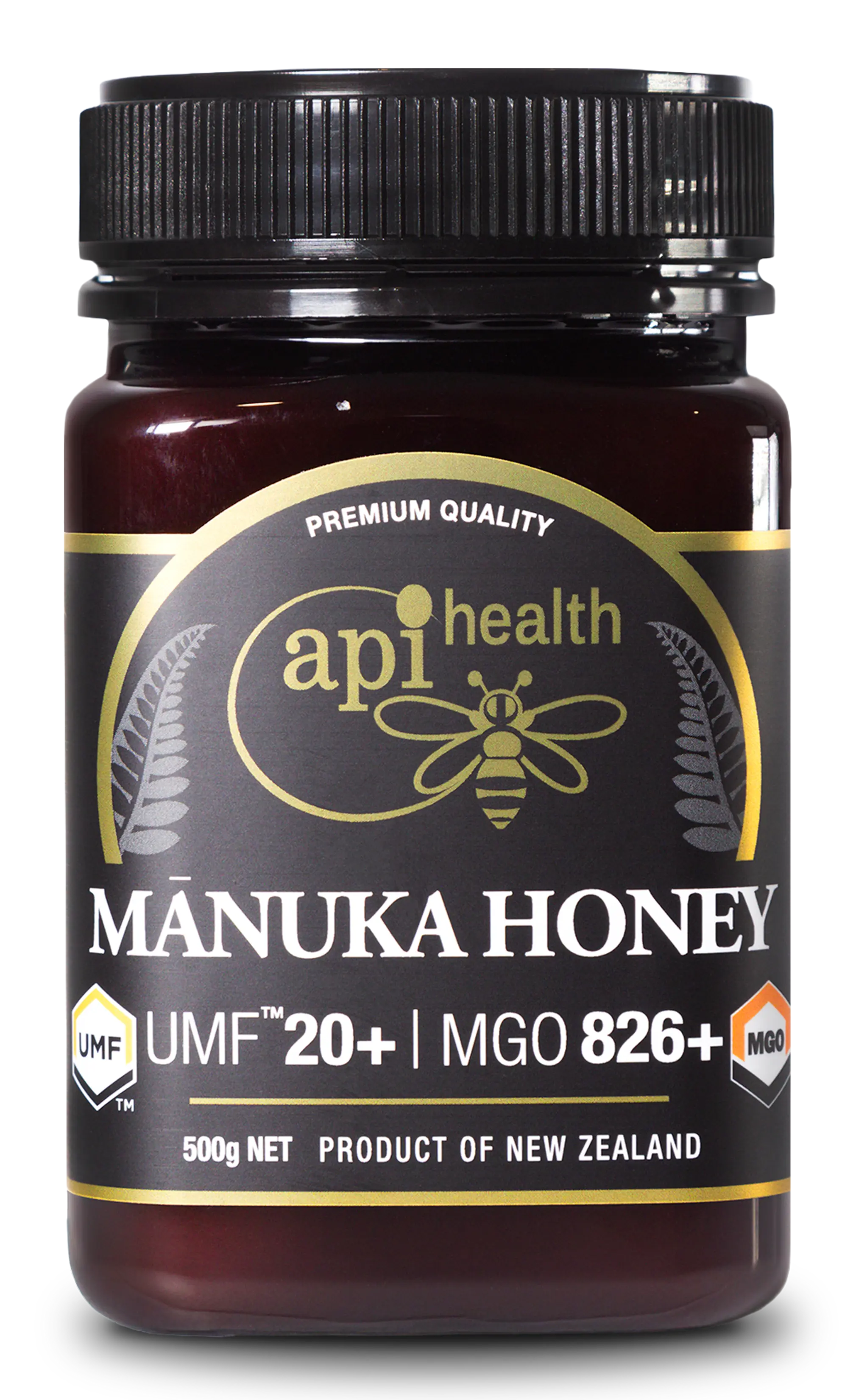
Manuka Honey UMF 20+
Premium New Zealand Manuka honey UMF 20 for everyday wellness and natural support.
$75.00
Related Articles
View all
Tutin Testing in New Zealand Honey: What It Means and How to Read a Lab Certificate
Understand tutin testing in New Zealand honey, the safety limit and lab report symbols. Learn what to check and how it differs from UMF and MGO grading.
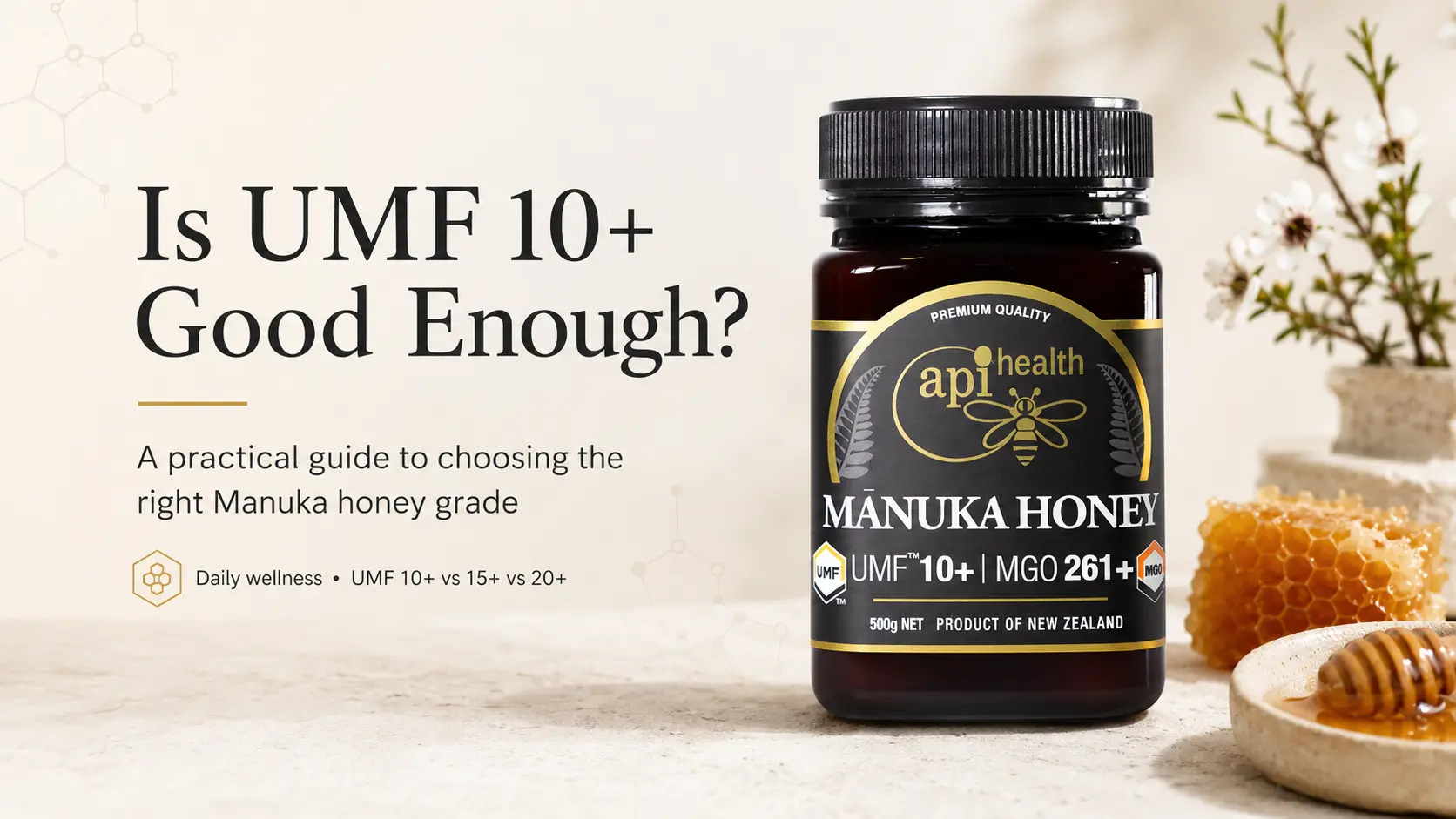
Is UMF 10+ Good Enough? When to Upgrade (and When It Is Not)
UMF 10+ is the everyday Manuka grade most people actually need. Here is when stepping up to UMF 15+ or 20+ is worth it, and when an upgrade is just money spent.
Better Together: ApiHealth Product Combinations That Support Your Goals
Some bee products complement each other naturally. Discover five practical ApiHealth combinations for joints, immunity, energy, digestion and skin, and how to build a routine that works.
Shop ApiHealth
Ready to bring the hive home?
Explore our New Zealand-made Manuka honey, VENZ bee venom, propolis and natural wellness range, crafted by our family of beekeepers and researchers.
