
Published by Dr. Tatiana Nikolaeva
This article is educational and is not a substitute for medical advice. Always follow product labels and speak with a qualified health professional for personal health concerns.
Why Natural Approaches to Joint Health Matter
Joint pain affects millions of people worldwide, whether from osteoarthritis, general wear and tear, sports injuries, or age-related changes. While conventional treatments, including anti-inflammatory drugs and painkillers, can be effective, many people seek natural alternatives to support long-term joint health with fewer side effects.
Three natural compounds have attracted significant scientific attention for joint support: bee venom, glucosamine, and deer velvet. Each works through a different mechanism, and when combined, they can provide a complementary approach to maintaining joint comfort and mobility.
Bee Venom and the Inflammatory Response
How It Works
Bee venom (apitoxin) contains over 18 naturally occurring compounds that cannot be chemically reproduced. The most significant for joint health is melittin: a peptide that has been shown to be one of the most potent natural inflammatory-response-supporting agents known. Research suggests melittin is up to 100 times more potent than hydrocortisol in reducing inflammation.
Other key compounds include:
- Adolapin: Blocks the cyclooxygenase (COX) pathway, reducing inflammation through the same mechanism as pharmaceutical COX inhibitors, but naturally
- Apamin: A neurotoxin with inflammatory-response-supporting properties that can help modulate pain signalling
What the Research Shows
A Phase 3 clinical trial published in The Journal of Alternative and Complementary Medicine (Conrad et al., 2019) demonstrated that purified honey bee venom resulted in significant improvements in both knee osteoarthritis pain and physical function. Key findings:
- Significant improvement in WOMAC pain scores after 12 weeks
- Physical function significantly improved compared to control
- Benefits were sustained 4 weeks after treatment ended
- Patient Global Assessment: 82.0% vs 62.4% improvement (p=0.0001)
An updated systematic review and meta-analysis published in BMC Complementary Medicine and Therapies (2025) confirmed that bee venom acupuncture significantly reduced musculoskeletal pain compared to sham injection, with no severe side effects observed across all trials reviewed.
How Bee Venom Is Used in Supplements
Modern bee venom supplements use purified, precisely dosed bee venom in capsule or cream form. A typical bee sting delivers 100-150 mcg of venom, while a supplement capsule might contain 25 mcg, allowing you to receive the inflammatory-response-supporting benefits without the sting. No bees are harmed in the ethical collection of bee venom for supplements.
Glucosamine: Rebuilding Cartilage From the Inside
How It Works
While bee venom addresses inflammation and pain, glucosamine works on the structural side of joint health. It's a naturally occurring compound found in cartilage, the tough, flexible tissue that cushions joints. Glucosamine is an essential building block for:
- Joint cartilage production and repair
- Connective tissue (tendons and ligaments)
- Synovial fluid (the lubricant inside joints)
As we age, the body produces less glucosamine naturally, which can contribute to cartilage breakdown and joint stiffness. Supplementing with glucosamine provides the raw materials for cartilage maintenance and repair.
The Evidence
Glucosamine is one of the most studied natural joint supplements worldwide. Research shows it may help:
- Slow cartilage breakdown in osteoarthritis
- Reduce joint pain and stiffness
- Improve joint mobility and physical function
- Provide mild inflammatory-response-supporting effects
The most commonly studied form is glucosamine hydrochloride or glucosamine sulfate, typically at doses of 1,500 mg per day.
Deer Velvet: Traditional Meets Modern Science
What Is Deer Velvet?
Deer velvet (deer antler velvet) is the soft, growing tissue that covers developing antlers. It has been used in traditional Chinese and Korean medicine for over 2,000 years, primarily for joint health, vitality, and recovery. New Zealand is one of the world's leading producers of farmed deer velvet, with strict animal welfare standards governing its collection.
How It Works
Deer velvet contains a unique combination of compounds relevant to joint health:
- Chondroitin sulfate: A major structural component of cartilage that helps maintain elasticity and water content
- Collagen (Type II): The primary protein in cartilage
- Growth factors: Including IGF-1 and IGF-2, which may support tissue repair and regeneration
- Glycosaminoglycans: Compounds that support joint lubrication and cushioning
- Minerals: Including calcium, phosphorus, and magnesium for bone health
Research Highlights
While more large-scale clinical trials are needed, existing research on deer velvet for joint health has shown:
- Potential reduction in osteoarthritis symptoms
- Improved joint mobility and flexibility
- Support for cartilage and connective tissue health
- Possible benefits for exercise recovery
Deer velvet's combination of structural compounds (chondroitin, collagen) and growth factors offers a different mechanism of action from both bee venom and glucosamine, making it a complementary addition to a joint support regimen.
How These Three Work Together
The most effective natural approach to joint health addresses multiple aspects of the problem simultaneously:
| Compound | Primary Action | What It Does |
|---|---|---|
| Bee Venom | inflammatory response support | Reduces swelling, pain, and inflammatory cascades in joints |
| Glucosamine | Structural repair | Provides building blocks for cartilage production and repair |
| Deer Velvet | Regenerative support | Supplies collagen, chondroitin, and growth factors for tissue health |
By combining inflammatory-response-supporting action (bee venom) with structural support (glucosamine) and regenerative compounds (deer velvet), you address joint health from multiple angles, reducing pain while also supporting the underlying tissue health that prevents further deterioration.
Choosing the Right Joint Support Supplement
When selecting natural joint support products, consider:
- Your primary concern: Inflammation and pain? Focus on bee venom. Cartilage health? Glucosamine. Overall joint support? Consider a combination.
- Quality and source: New Zealand-sourced products benefit from strict quality standards and clean environmental conditions
- Form: Capsules for systemic support; creams for localised relief (especially for bee venom)
- Dosage: Follow product directions and start with recommended doses
Safety Considerations
- Bee venom: Do not use if you have a known bee sting allergy. Start with a small dose to check for sensitivity
- Glucosamine: Generally well-tolerated. Those with shellfish allergies should check the source (some glucosamine is shellfish-derived)
- Deer velvet: Generally safe, but consult your doctor if you're taking hormone-related medications
- All supplements: Consult your healthcare provider before starting, especially if you take blood thinners, have diabetes, or are pregnant/breastfeeding
About the author
Dr. Tatiana Nikolaeva
Co-founder & Product Researcher, ApiHealth NZ
Dr. Tatiana Nikolaeva works alongside the ApiHealth research team in New Zealand, focusing on natural formulations across the company’s bee-derived wellness and skincare ranges. She writes on Manuka honey, bee pollen and everyday natural wellness.
More about the ApiHealth teamFeatured Products
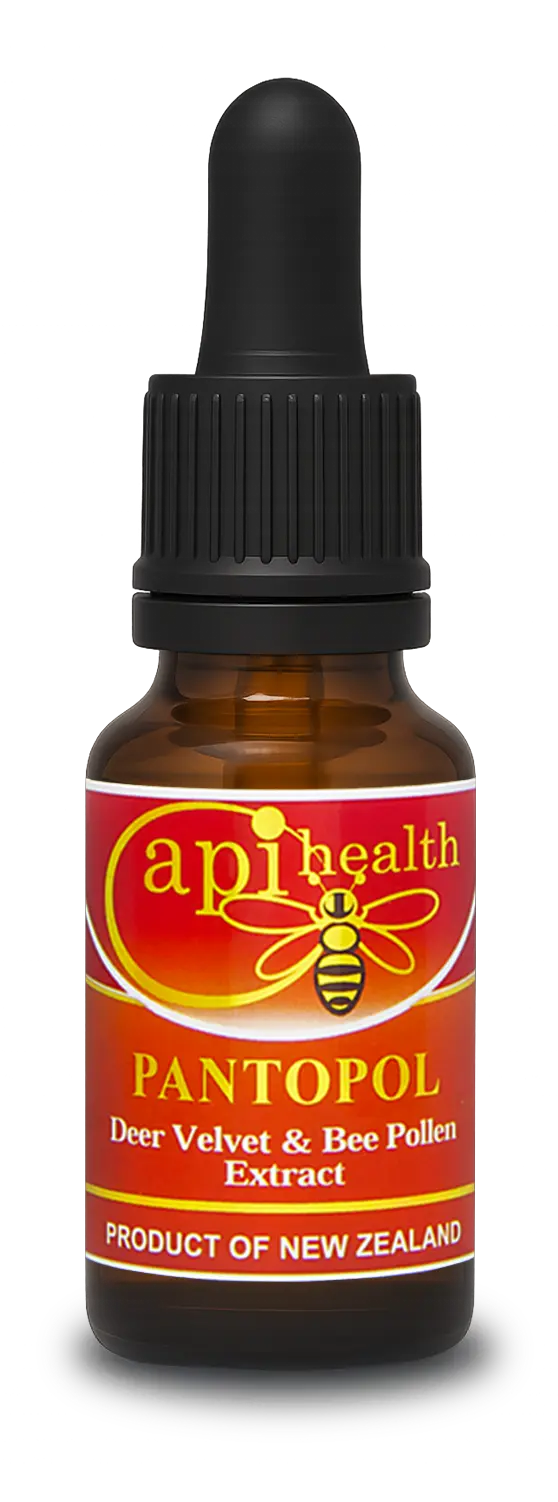
Pantopol - Deer Velvet & Bee Pollen Extract
Deer velvet and bee pollen liquid extract to support energy, stamina and overall vitality.
$25.00
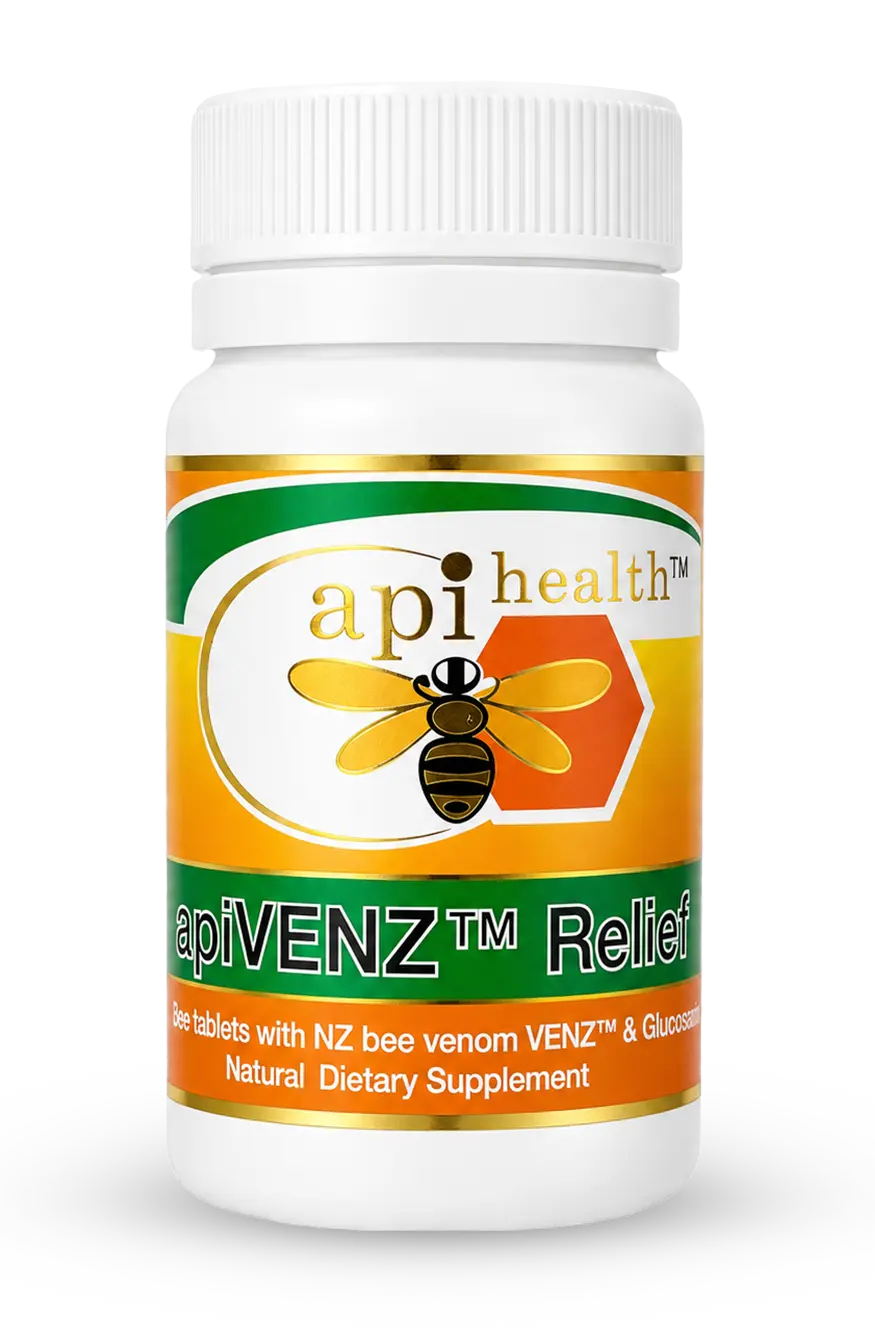
Apivenz™ Relief Chewable Tablets
Convenient daily supplement crafted from New Zealand ingredients to support overall wellbeing.
$32.00
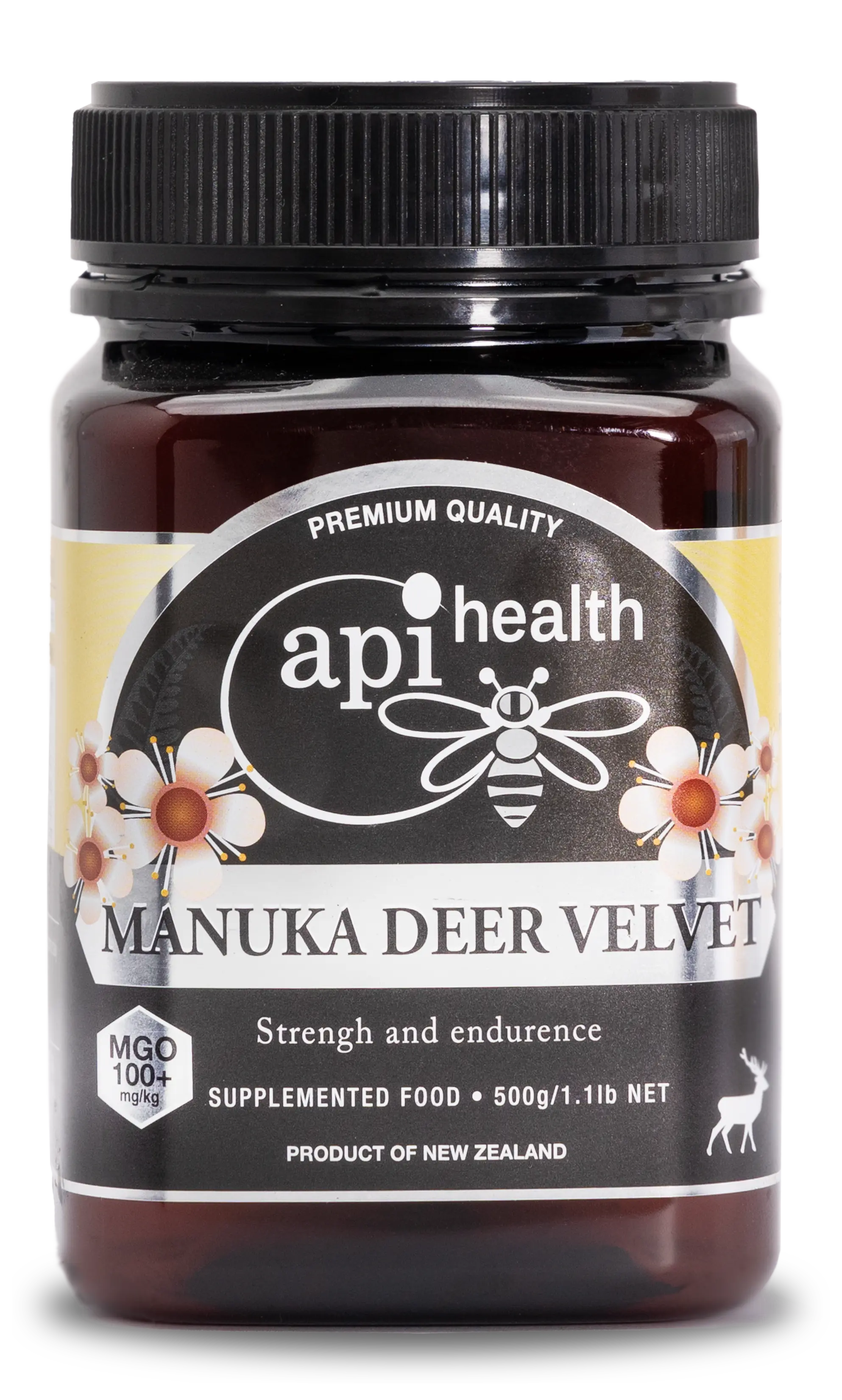
Deer Antler Manuka Honey
Premium Manuka honey with deer velvet extract, crafted to support natural energy, strength and post-activity recovery.
$24.00
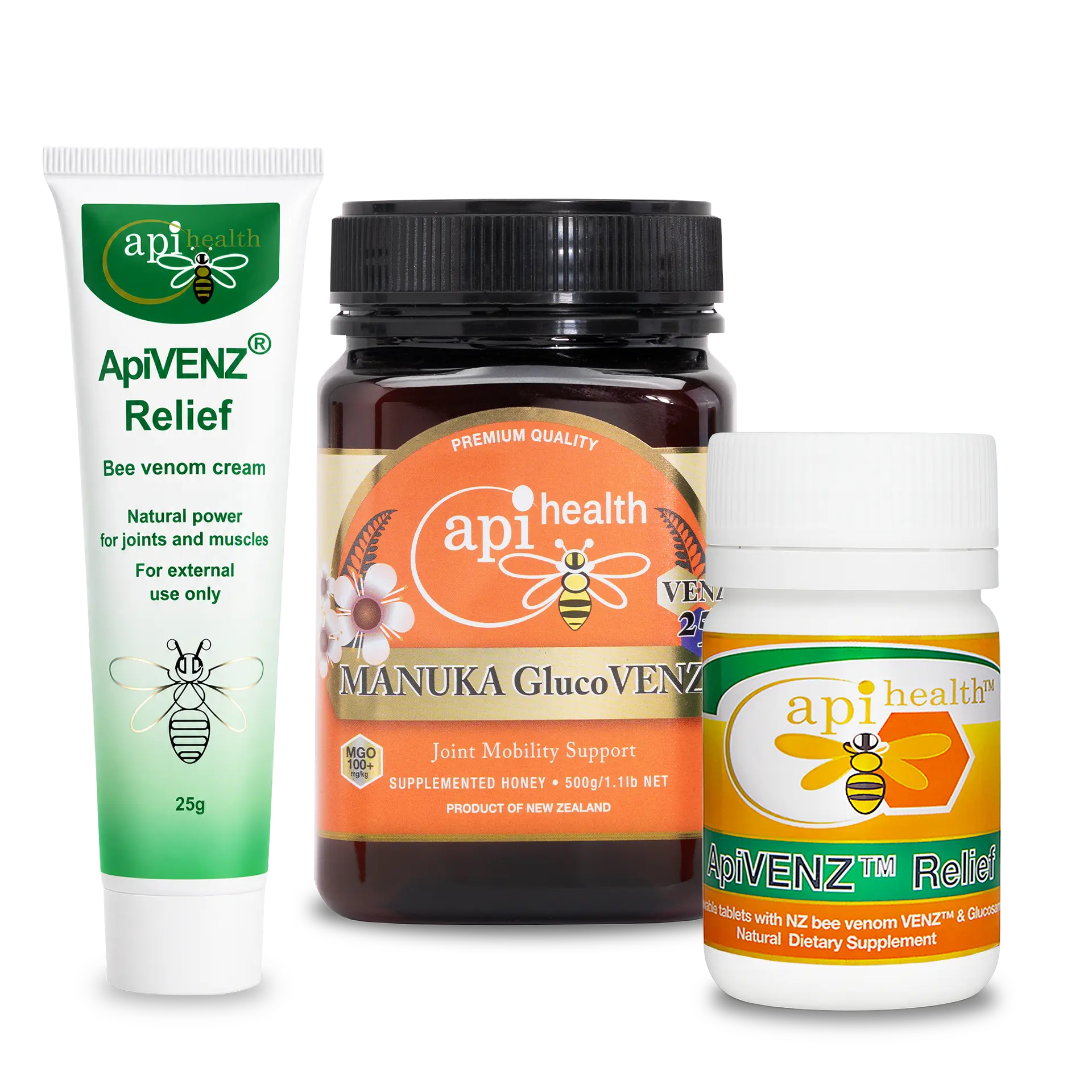
Health Pack For Joints And Muscle
Curated health pack combining ApiHealth favourites for convenient, all-in-one wellness support.
$104.00
Related Articles
View all
Bee Products for Longevity: How Manuka Honey, VENZ™, Propolis and Royal Jelly Support Healthy Ageing
Manuka honey, bee venom, propolis and royal jelly are often grouped together as bee products for longevity. Here is what the science says about each one.
Bee Products for Women's Health: What the Science Suggests
A simple, science-aware guide to bee products for women's health: royal jelly, bee pollen and propolis for hormonal balance, energy and daily wellness.
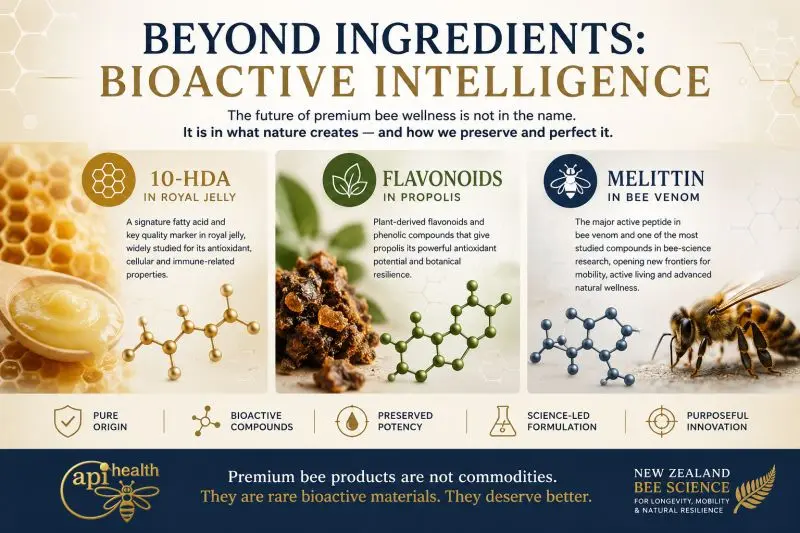
Beyond Ingredients: The Bioactive Compounds in Bee Products
A clear look at the bioactive compounds in bee products: 10-HDA in royal jelly, flavonoids in propolis, and melittin in bee venom, and why preservation matters.
Shop ApiHealth
Ready to bring the hive home?
Explore our New Zealand-made Manuka honey, VENZ bee venom, propolis and natural wellness range, crafted by our family of beekeepers and researchers.
