
Published by Dr. Tatiana Nikolaeva
For immune support, UMF 10+ (MGO 263+) is the minimum recommended Manuka honey strength. This grade contains enough methylglyoxal to provide meaningful antibacterial and prebiotic activity. UMF 15+ (MGO 514+) offers stronger therapeutic properties, while UMF 5+ is best suited as a daily table honey with modest benefits.
Not all Manuka honey is equal when it comes to supporting your immune system. The grade determines the concentration of beneficial compounds, and choosing the right one depends on what you're trying to achieve. This guide explains which strength does what, based on the science, not marketing.
This article is educational and is not a substitute for medical advice. Always follow product labels and speak with a qualified health professional for personal health concerns.
How Manuka Honey Supports Immunity
Manuka honey supports the immune system through several mechanisms:
- Antibacterial activity: methylglyoxal (MGO) is effective against a range of bacteria, including some antibiotic-resistant strains. Higher MGO means stronger antibacterial action
- Prebiotic effect: Manuka honey contains oligosaccharides that feed beneficial gut bacteria. Since roughly 70% of the immune system is based in the gut, supporting gut health directly supports immunity
- inflammatory-response-supporting properties: compounds in Manuka honey can help modulate inflammatory responses, supporting the body's natural healing processes
- Antioxidant content: Manuka honey contains phenolic compounds that help neutralise free radicals
The key point: these benefits are dose-dependent. Lower-grade honey has fewer of these active compounds. That's why the grade matters.
Strength Guide: Which Grade for What
| UMF Grade | MGO Level | Immune Support Level | Best For |
|---|---|---|---|
| UMF 5+ | MGO 83+ | Mild | Daily wellness, cooking, general nutrition |
| UMF 10+ | MGO 263+ | Moderate | Daily immune support, gut health maintenance |
| UMF 15+ | MGO 514+ | Strong | Active immune support, during cold/flu season, recovery |
| UMF 20+ | MGO 829+ | Very strong | Intensive wellness use, targeted health support |
Our Recommendation
For most people looking to support their immune system as part of a daily routine:
- Daily maintenance: UMF 10+, take 1-2 teaspoons daily, straight or in warm (not hot) water
- Cold and flu season: Step up to UMF 15+ for stronger antibacterial and inflammatory-response-supporting activity
- Recovery or targeted support: UMF 20+ provides maximum potency for short-term intensive use
Important: Don't add Manuka honey to boiling water. High heat can degrade the beneficial compounds. Let your tea or water cool to a comfortable drinking temperature first.
What the Research Shows
Research published in peer-reviewed journals has demonstrated that Manuka honey with higher MGO concentrations shows greater antibacterial activity, including against Staphylococcus aureus and Escherichia coli. Studies have also shown prebiotic effects that promote the growth of beneficial gut bacteria such as Lactobacillus and Bifidobacterium species.
A growing body of research also explores Manuka honey's role in wound healing and oral health, both of which are connected to immune function. You can learn more on our science and research page.
Combining with Other Bee Products
Manuka honey works well alongside other bee products for broader immune support:
- Propolis: a natural antimicrobial and antioxidant produced by bees to protect the hive. Often taken as a tincture or extract alongside honey
- Bee pollen: a nutrient-dense superfood rich in vitamins, minerals, and amino acids that supports overall nutrition and energy
- Royal jelly: contains proteins and fatty acids that may support immune regulation
ApiHealth produces all of these products, sourced and manufactured in New Zealand. You can explore our full range in the online store.
Frequently Asked Questions
How much Manuka honey should I take daily for immune support?
One to two teaspoons (approximately 10-20g) per day is the typical recommendation for daily immune support. Take it straight from the spoon, stir into warm water or tea, or add to smoothies. Consistency matters more than quantity, daily use is more effective than occasional large doses.
Is UMF 5+ enough for immune support?
UMF 5+ provides some benefits as a nutritious natural sweetener, but the antibacterial and prebiotic activity is limited at this grade. For meaningful immune support, UMF 10+ is the minimum recommended strength.
Can children take Manuka honey for immune support?
Manuka honey should not be given to children under 12 months due to the risk of botulism (this applies to all honey, not just Manuka). For children over one year, Manuka honey can be used in smaller doses. Consult your paediatrician for specific guidance.
Does Manuka honey expire?
Honey is one of the few foods that doesn't spoil when stored properly. Keep it in a cool, dry place away from direct sunlight. The MGO content can actually increase slightly over time as DHA converts to MGO. However, we recommend using it within the best-before date on the label for optimal quality.
Is it better to take Manuka honey in the morning or at night?
There's no strict rule. Taking it in the morning on an empty stomach may support gut health, while taking it before bed can help soothe the throat. Choose the time that fits your routine, consistency is what matters most.
The Bottom Line
UMF 10+ is the starting point for immune support. UMF 15+ is better during cold season or when you need extra support. The science is clear that higher-grade Manuka honey delivers more of the compounds that matter.
Browse our UMF Manuka Honey range: independently tested and certified for every batch.
About the author
Dr. Tatiana Nikolaeva
Co-founder & Product Researcher, ApiHealth NZ
Dr. Tatiana Nikolaeva works alongside the ApiHealth research team in New Zealand, focusing on natural formulations across the company’s bee-derived wellness and skincare ranges. She writes on Manuka honey, bee pollen and everyday natural wellness.
More about the ApiHealth teamKey Ingredients
Related Articles
View all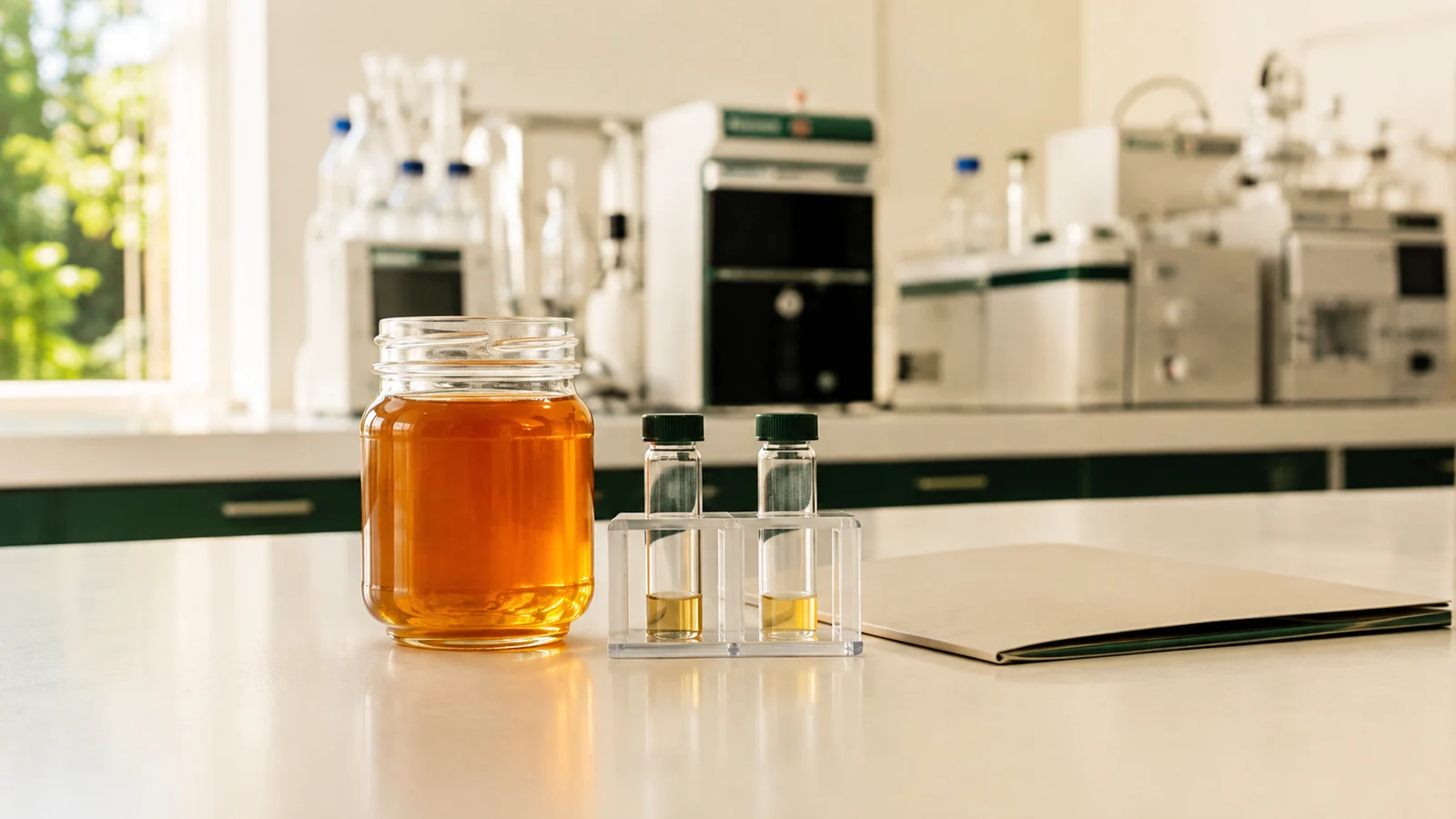
Tutin Testing in New Zealand Honey: What It Means and How to Read a Lab Certificate
Understand tutin testing in New Zealand honey, the safety limit and lab report symbols. Learn what to check and how it differs from UMF and MGO grading.
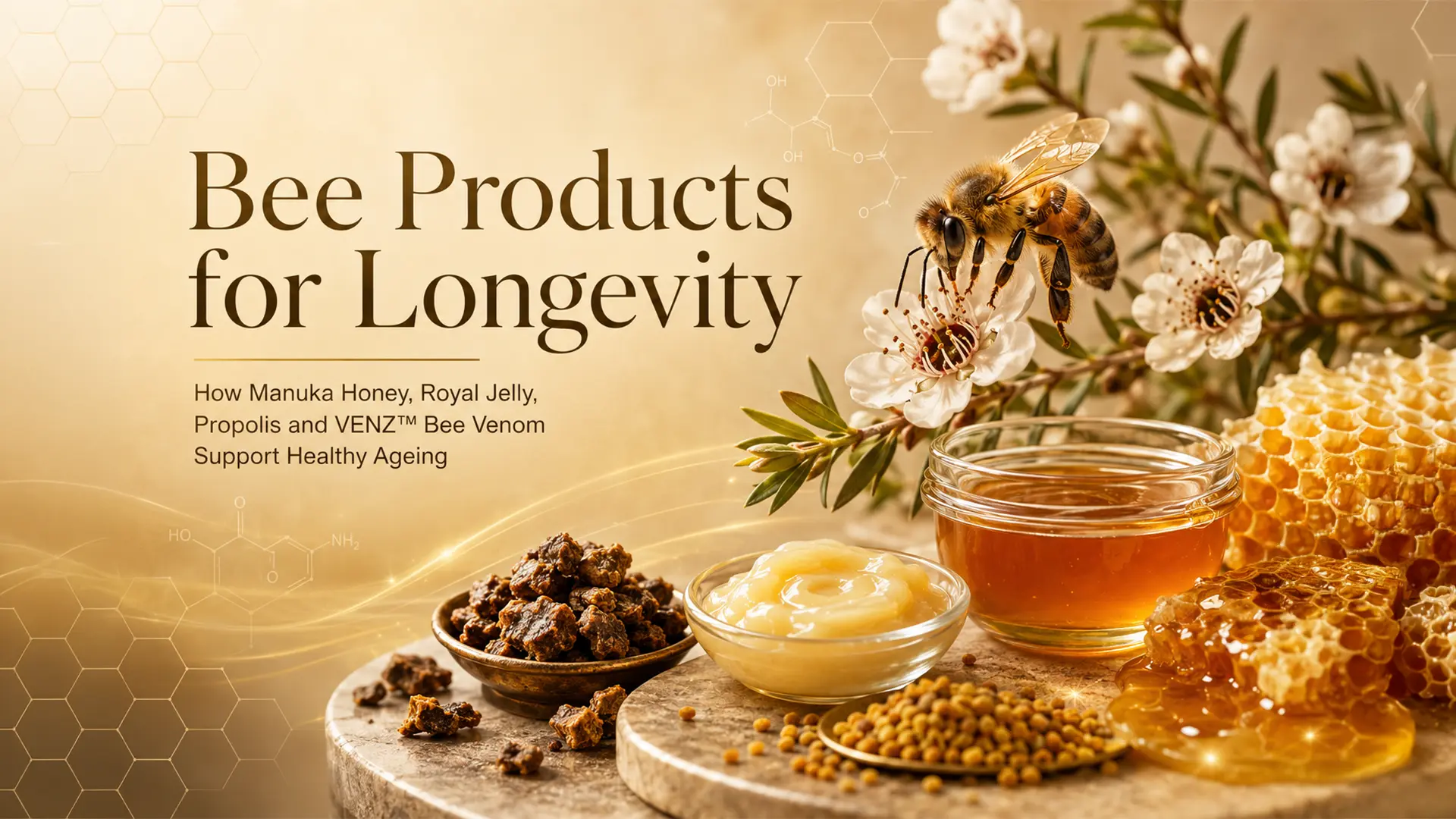
Bee Products for Longevity: How Manuka Honey, VENZ™, Propolis and Royal Jelly Support Healthy Ageing
Manuka honey, bee venom, propolis and royal jelly are often grouped together as bee products for longevity. Here is what the science says about each one.

Bee Products for Women's Health: What the Science Suggests
A simple, science-aware guide to bee products for women's health: royal jelly, bee pollen and propolis for hormonal balance, energy and daily wellness.
Shop ApiHealth
Ready to bring the hive home?
Explore our New Zealand-made Manuka honey, VENZ bee venom, propolis and natural wellness range, crafted by our family of beekeepers and researchers.