
Your honey's UMF grade and its tutin test answer different questions. Tutin testing checks for a naturally occurring toxin, not the strength or authenticity of mānuka honey. Here is how to read the relevant laboratory evidence without confusing a quality rating with a food-safety result.
At ApiHealth, understanding the science behind bee products includes understanding what each test can tell you. If you already use our guide to verifying authentic mānuka honey, this is the next step: checking the test name, the batch and the meaning of the number.
What is tutin testing in New Zealand honey?
Tutin testing measures tutin in a honey sample. Tutin comes from New Zealand's tutu plant. Passion vine hoppers feeding on tutu produce honeydew containing the toxin; bees can collect that honeydew and incorporate it into honey. MPI identifies the main risk period as January to April, particularly across much of the North Island and the northern third of the South Island. MPI explains the contamination pathway and risk conditions.
The maximum permitted tutin concentration is 0.7 milligrams per kilogram (mg/kg) in honey, including comb honey. This is a concentration limit, not a suggested serving size or a mānuka grade. Food Standards Code, Schedule 19.
Laboratory testing is one way to demonstrate compliance. MPI also provides conditional options based on harvest timing, location, absence of significant tutu, or established low-risk harvesting with targeted testing. The applicable requirements still matter: it is inaccurate to say that every jar must have its own individual tutin test. MPI's compliance options.
Is tutin testing the same as UMF or MPI mānuka testing?
No. These checks serve different purposes, so start with the question you want answered:
- Tutin: What is the tutin result for this sample, and what compliance assessment applies to it?
- MPI mānuka identity tests: Does honey labelled as mānuka for export meet the required definition? MPI uses five attributes: four chemical markers and one DNA marker. These identify monofloral or multifloral mānuka, not a tutin concentration. MPI's mānuka testing requirements.
- UMF quality grading: UMF's four-factor system considers MGO, leptosperin, DHA and HMF. These relate to potency, authenticity, shelf life and freshness. None is a tutin measurement. UMF's four-factor explanation.
A UMF release certificate belongs to the UMF certification process. Hill Labs explains that prerequisite test results are submitted to UMFHA to trigger certificate release. Do not assume a document includes a tutin result simply because its title says “certificate”. Read the analyses actually listed. Hill Labs' release-certificate guidance.
Our how we test guide introduces the wider testing picture.
How do you read a honey lab certificate?
Read it in two passes: first establish which honey it describes, then interpret the result. A report for another batch cannot answer a question about your jar.
- Match the batch. Find the batch or lot code on your jar and the sample description on the report. If they differ, ask the supplier to explain the traceability link. A laboratory sample number is not necessarily the retail batch code.
- Check the issuer and report date. Look for the laboratory name, report identifier and relevant dates. Keep the complete report, including notes, rather than relying on a cropped screenshot.
- Find “tutin” explicitly. MGO, HMF, DHA and leptosperin results do not supply a missing tutin value. Ask whether supporting tutin documentation is separate.
- Read the units and symbols. Keep “mg/kg” and any less-than sign attached to the number. They are part of the result, not optional detail.
- Check the sample type and comments. Establish whether this is an individual extracted-honey sample, a laboratory composite, or a sample representing comb honey. Ask the laboratory to clarify qualifications before drawing a pass/fail conclusion.
For compliance through testing, MPI's standard requires an ISO/IEC 17025-accredited laboratory using a validated tutin method. This is a more meaningful check than whether a certificate looks impressive. Food Standard: Tutin in Honey, sections 3.2 and 3.3.
What does “tutin less than 0.01 mg/kg” mean?
It means the result is below the stated threshold, not that the laboratory has proved absolute zero. Hill Labs lists a tutin detection limit of 0.01 mg/kg. Always check the reporting laboratory's own definitions. Hill Labs' technical note.
For example, “Tutin <0.01 mg/kg” is illustrative reporting notation, not a result for an ApiHealth batch. Do not rewrite it as “0.01 mg/kg” or “tutin-free”. If the notation is unclear, request an explanation that references the report number.
Why do composite tests and honeycomb need extra care?
A composite combines samples for laboratory analysis, so its threshold differs from an individual sample's. Hill Labs lists 0.14 mg/kg for a five-sample composite, compared with 0.7 mg/kg for one sample. Its guidance requires laboratory-controlled compositing and excludes honeycomb. Do not judge a composite result against 0.7 mg/kg alone. Hill Labs' compositing thresholds.
Cut comb honey has a specific sampling procedure. Under MPI's testing route, the prescribed representative sample from a single apiary must return less than 0.01 mg/kg to demonstrate compliance. That sampling criterion does not change the 0.7 mg/kg maximum level for honey itself. MPI standard, section 3.3.
How can you check an ApiHealth jar?
Start with the batch code and our certificate checker to view available published records. If you cannot see a tutin result, contact ApiHealth and ask what compliance evidence applies to that batch. An absent online result is not, by itself, evidence that honey failed testing.
You can also explore our Trust Centre and mānuka honey ingredient guide. When comparing ApiHealth Manuka Honey UMF 10+ with other jars in the UMF mānuka range, keep quality grading separate from your safety-documentation questions. Paying for a higher grade does not replace checking the relevant evidence.
Sources checked 5 September 2026. This is a consumer guide; producers should follow MPI's full requirements and their laboratory's advice. The hero is an AI-generated editorial illustration, not a photograph of an ApiHealth or Hill Labs facility.
Frequently asked questions
Can I detect tutin by tasting or looking at honey?
No. Contaminated honey has no distinctive colour or taste, according to Hill Labs. Do not taste honey to assess whether it contains tutin.
Does a high MGO number mean low tutin?
No. MGO and tutin are different substances. An MGO value does not provide a tutin result.
Does every jar need a separate laboratory test?
No. Testing may represent a batch, and MPI provides other conditional compliance options. Ask which evidence applies to the jar's batch.
Is a UMF release certificate a tutin certificate?
Not automatically. Check whether tutin is explicitly reported, rather than inferring it from the document's title or UMF grade.
What should I ask if my batch is not online?
Send the supplier your jar's batch code and ask for the relevant records or an explanation of its tutin compliance pathway.
Can a tutin-tested honey be given to a baby?
Not to infants under 12 months. The separate risk of infant botulism still applies. MPI advises against honey for infants under 12 months.
Featured Products
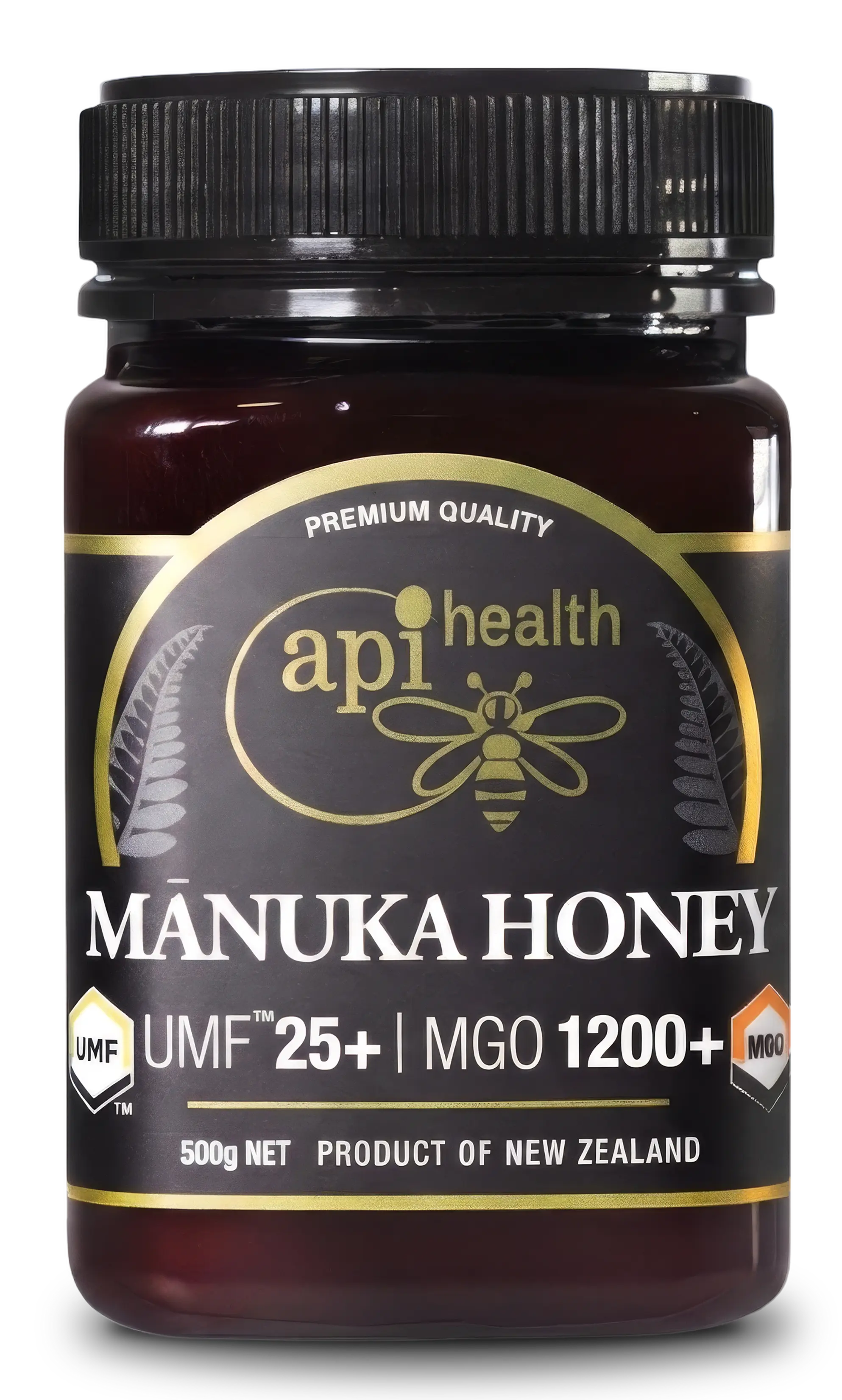
Manuka Honey UMF 25+
Premium New Zealand Manuka honey UMF 25 for everyday wellness and natural support.
$300.00
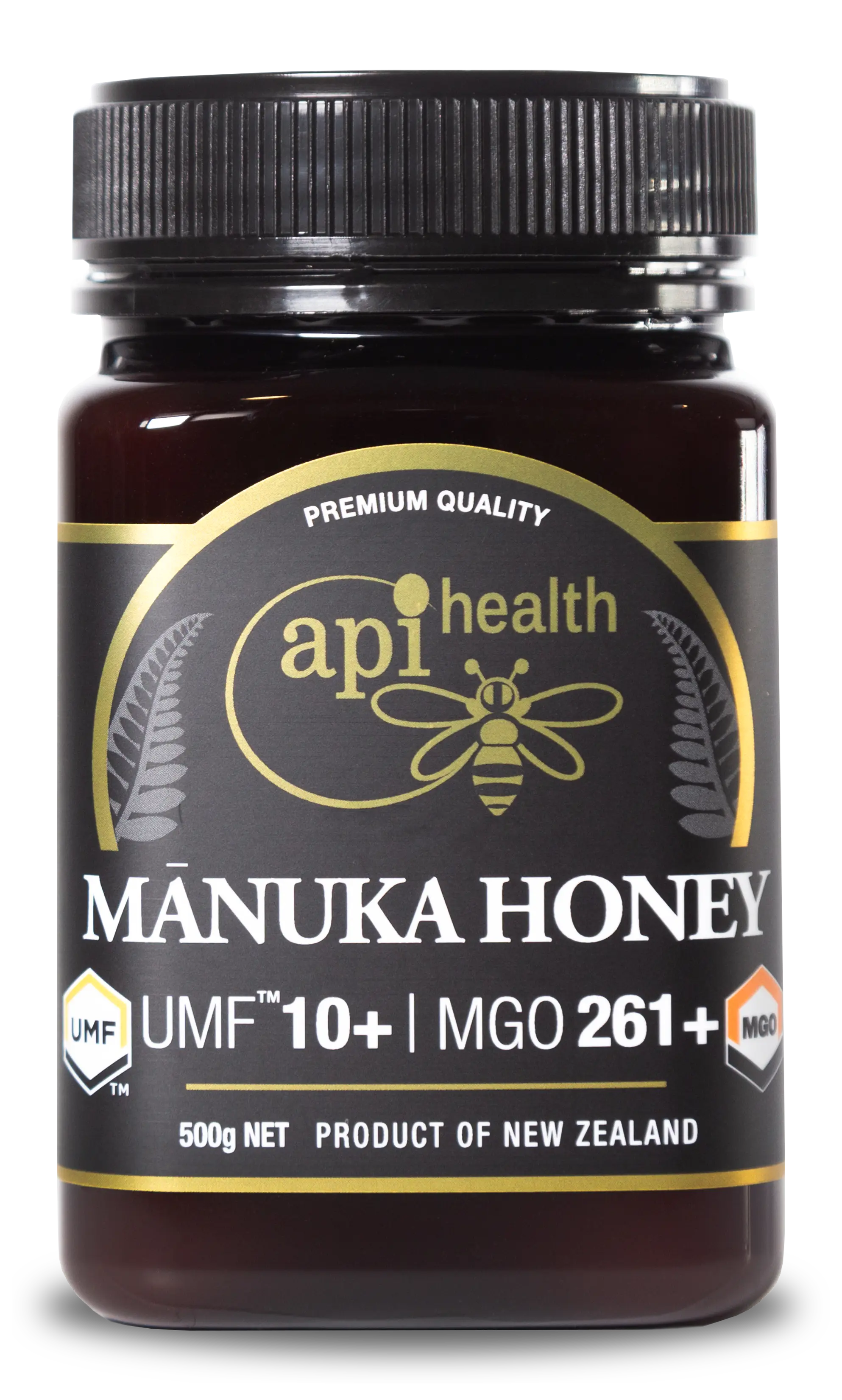
Manuka Honey UMF 10+
Premium New Zealand Manuka honey UMF 10 for everyday wellness and natural support.
$29.00
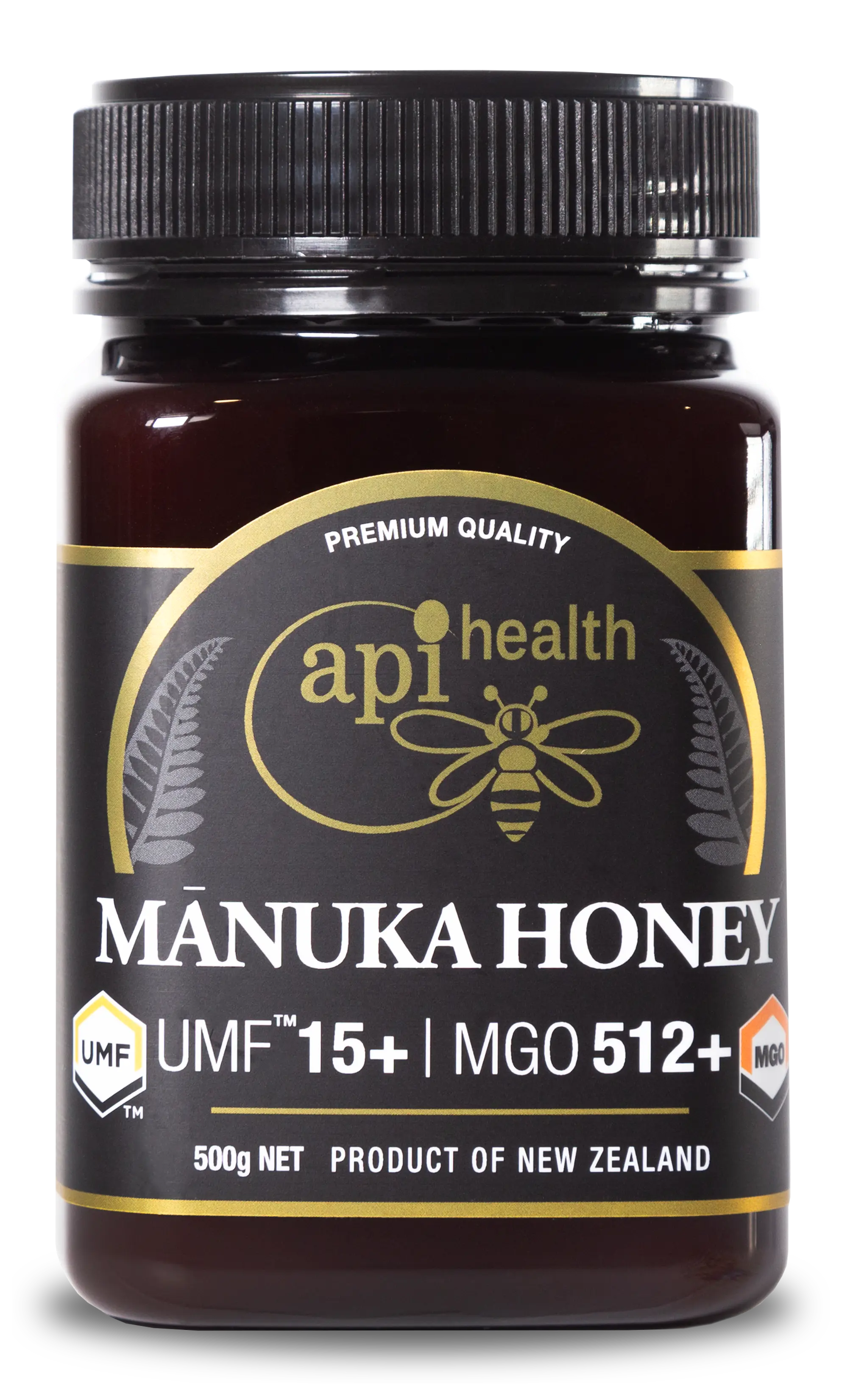
Manuka Honey UMF 15+
Premium New Zealand Manuka honey UMF 15 for everyday wellness and natural support.
$70.00
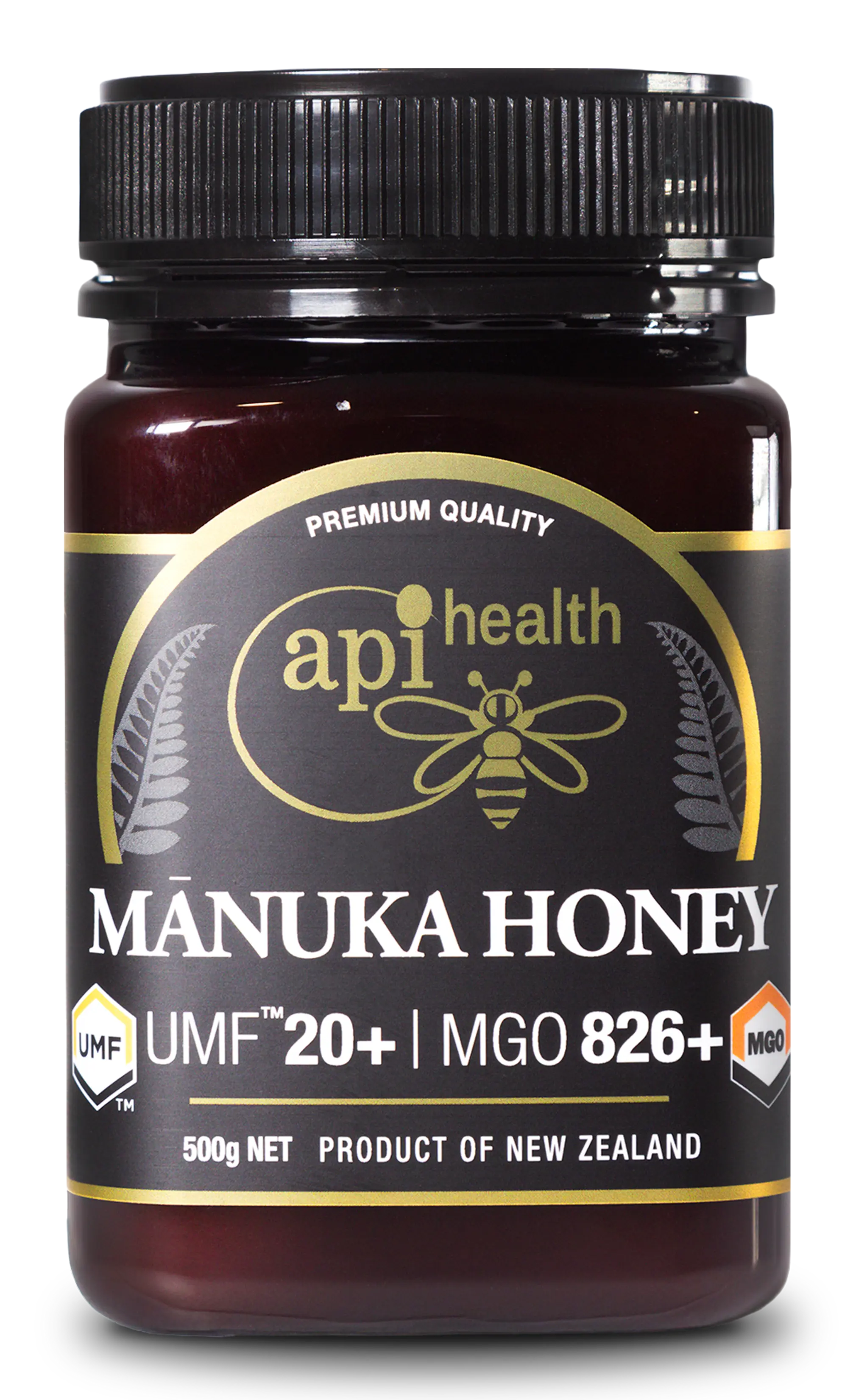
Manuka Honey UMF 20+
Premium New Zealand Manuka honey UMF 20 for everyday wellness and natural support.
$75.00
Related Articles
View all
Is UMF 10+ Good Enough? When to Upgrade (and When It Is Not)
UMF 10+ is the everyday Manuka grade most people actually need. Here is when stepping up to UMF 15+ or 20+ is worth it, and when an upgrade is just money spent.
How to Store Manuka Honey and Honey the Right Way
Store Manuka honey and everyday honey in a cool, dark cupboard with the lid sealed. Learn what to avoid, how to fix crystals, and how to protect UMF quality.

Deer Antler Velvet Health Benefits: What the Science Says for Active Ageing
Curious about deer antler velvet? This guide covers what research suggests for mobility, energy and daily wellness for adults 35+, with honest NZ context.
Shop ApiHealth
Ready to bring the hive home?
Explore our New Zealand-made Manuka honey, VENZ bee venom, propolis and natural wellness range, crafted by our family of beekeepers and researchers.
