
If you have ever stood in front of a shelf of Manuka honey, you have probably asked the same question: is UMF 10+ good enough, or should I spend more on a higher grade? For most people buying honey for everyday wellness, the honest answer is yes. UMF 10+ sits right at the point where Manuka honey stops being a pleasant table honey and starts offering genuine, lab measured activity.
At ApiHealth we think about grading the way we think about everything bee related: the future of apitherapy is the science behind the bee, not the sting, and not the biggest number on the lid. A UMF grade is a tool, and the smart move is matching the tool to the job rather than assuming more is always better. This guide shows you exactly when UMF 10+ is all you need, when stepping up to 15+ or 20+ earns its price, and when an upgrade is simply money you do not need to spend.
Is UMF 10+ good enough? The short answer
Yes, UMF 10+ is good enough for daily wellness for the large majority of people. It carries a tested minimum of around MGO 263, which is widely treated as the practical floor where Manuka honey's non-peroxide antibacterial activity becomes meaningful rather than marginal. For a daily teaspoon to support general immune and digestive wellness, that is plenty. Higher grades are stronger, but stronger is only useful when the job actually calls for it.
What the UMF number on the jar actually measures
UMF (Unique Manuka Factor) is not a single reading. It is a four-factor test that checks potency (MGO, or methylglyoxal), freshness and shelf life potential (DHA), authenticity (leptosperin, a marker found only in genuine Manuka), and whether the honey has been overheated (HMF). The grade you see is the combination, independently verified for every certified batch.
Here is roughly how the ladder works, using the published UMF to MGO minimums:
- UMF 5+ (around MGO 83): a quality table honey for sweetening and cooking.
- UMF 10+ (around MGO 263): the everyday wellness grade, and the focus of this guide.
- UMF 15+ (around MGO 514): roughly double the MGO of 10+, the common therapeutic step up.
- UMF 20+ (around MGO 829): more than triple the MGO of 10+, a high potency grade for targeted use.
One important detail: the relationship is not linear, so you cannot simply multiply your way up the scale. If you want the full breakdown, our Manuka honey UMF ratings explained guide walks through every grade, and our explainer on what MGO actually is covers the chemistry. You can also read the ingredient profile for UMF Manuka honey.
When UMF 10+ is all you need
For these everyday jobs, UMF 10+ does the work without overspending:
- Daily wellness maintenance: a morning teaspoon to support general immune and digestive wellness through the year.
- Everyday gut support: Manuka honey is associated with soothing, prebiotic friendly properties, and 10+ is a sensible daily grade for this.
- Your first Manuka honey: if you are new to it, 10+ gives you the real character and benefits without committing to a premium price.
- Family routines: a balanced grade that suits shared family use. See our guide to Manuka honey for kids and family wellness, and never give honey to children under 12 months.
- Value over a long season: if you use honey most days, 10+ keeps a genuine UMF grade affordable enough to stay consistent.
When it is worth upgrading to UMF 15+ or 20+
A higher grade is not hype. It carries genuinely more methylglyoxal, which matters when you want stronger activity for a specific reason. Consider stepping up when:
- Cold season and sore throats: many people prefer UMF 15+ for soothing comfort through winter, where the higher MGO gives noticeably stronger antibacterial activity. Our sore throat dosage guide explains how to use it.
- Targeted digestive episodes: research has explored Manuka's activity against gut bacteria, and a higher grade is sometimes chosen for short, focused support. The evidence is still developing, so consider it complementary support rather than a replacement for medical care.
- Topical and skin comfort: higher MGO grades are the ones studied most in clinical wound dressings, which is why some people choose them for occasional skin support.
- Short, intensive use: for a defined two to four week stretch, a stronger grade for a shorter time can make more sense than a weaker one for longer.
- Gifting: when the visible tier matters, UMF 15+ or 20+ reads as a premium gift.
If your reason for upgrading is value rather than potency, our breakdown of whether high UMF Manuka honey is worth the price runs the per milligram maths. You can browse UMF 15+ and UMF 20+ when a step up is the right call.
The best Manuka grade is the one that matches the job in front of you, not the one with the biggest number on the lid.
When upgrading is not worth it
This is the part the shelf rarely tells you. Sometimes a higher grade is simply money you do not need to spend:
- Cooking, baking, or sweetening: heat and dilution waste the very activity you paid extra for. Use UMF 5+ or 10+ in the kitchen and save the strong jars for a raw teaspoon.
- Chasing 25+ for daily maintenance: above UMF 20+ the price climbs steeply while the everyday, noticeable difference for general wellness is small. For a daily teaspoon, that premium rarely pays off.
- Buying strong, then using it rarely: a high grade taken occasionally does less for you than UMF 10+ taken consistently. For maintenance, consistency beats potency.
- Assuming bigger numbers are healthier: beyond matching the grade to the job, a higher number does not make honey categorically better for you. It makes it stronger, which only helps when strength is the point.
How to make the call in four steps
- Name the job. Daily maintenance, a targeted seasonal need, topical use, or the kitchen? The job sets the grade.
- Match the grade. Daily wellness sits comfortably at UMF 10+. Targeted or seasonal needs lean to 15+. Reserve 20+ for intensive, short term use.
- Check it is genuinely certified. Look for a real UMF number backed by batch testing across all four markers, not a vague "active" claim. Our guide to verifying authentic Manuka honey shows what to look for.
- Buy the size you will finish. A jar you use daily does more good than a premium jar that sits in the cupboard.
Why the number on the jar has to be earned
A UMF grade only means something if it is verified. ApiHealth has been crafting New Zealand bee products since 1997, we are a licensed UMF member (license #1052), and every batch of our Manuka honey is independently tested by recognised laboratories against the full four-marker standard. So when a jar says UMF 10+, that number reflects lab data, not marketing. You can see how we grade and certify across the ApiHealth UMF Manuka range and our trust center.

Frequently asked questions
Is UMF 10+ good enough for daily use?
Yes. For a daily teaspoon supporting general immune and digestive wellness, UMF 10+ (around MGO 263) is genuinely enough for most people. Higher grades add strength you only need for specific, targeted reasons.
Is UMF 10+ or 15+ better for a sore throat?
For acute sore throat comfort during cold season, many people prefer UMF 15+ because its higher MGO delivers stronger antibacterial activity. For everyday maintenance the rest of the year, 10+ is fine. See our sore throat dosage guide for how to use it.
Does a higher UMF number mean healthier honey?
Not exactly. A higher number means stronger antibacterial activity, not a categorically healthier honey. For daily wellness, UMF 10+ already does the job. Strength matters when the job calls for it, such as seasonal or targeted use.
What MGO level is UMF 10+?
UMF 10+ corresponds to a tested minimum of around MGO 263 mg/kg. Because DHA slowly converts to MGO, a well stored jar can even gain a little potency over time, though the label reflects the grade measured at testing.
Should I cook or sweeten with UMF 10+?
You can, but it is not the best use of your money. Heat and dilution reduce the activity you pay for, so a lower grade like UMF 5+ is the smarter choice for cooking, and the stronger jars are best taken raw off the spoon.
Is UMF 25+ worth it over 20+ for everyday wellness?
For daily wellness, usually not. The practical difference between 20+ and 25+ for a daily teaspoon is small while the price gap is large. Ultra high grades suit specialised, intensive use rather than routine maintenance.
Bottom line
For most people, UMF 10+ is genuinely good enough, and it is the grade we recommend as the everyday starting point. Upgrade to UMF 15+ or 20+ with intent, when a specific seasonal, digestive, or topical job calls for more strength, and skip the upgrade when you are cooking, buying for occasional use, or simply chasing a bigger number. If you are diabetic, remember honey is still a sugar and worth discussing with your provider, and Manuka honey is a complementary wellness food, not a replacement for prescribed treatment. Ready to choose your grade? Explore the full ApiHealth UMF Manuka range.
Key Ingredients
Featured Products
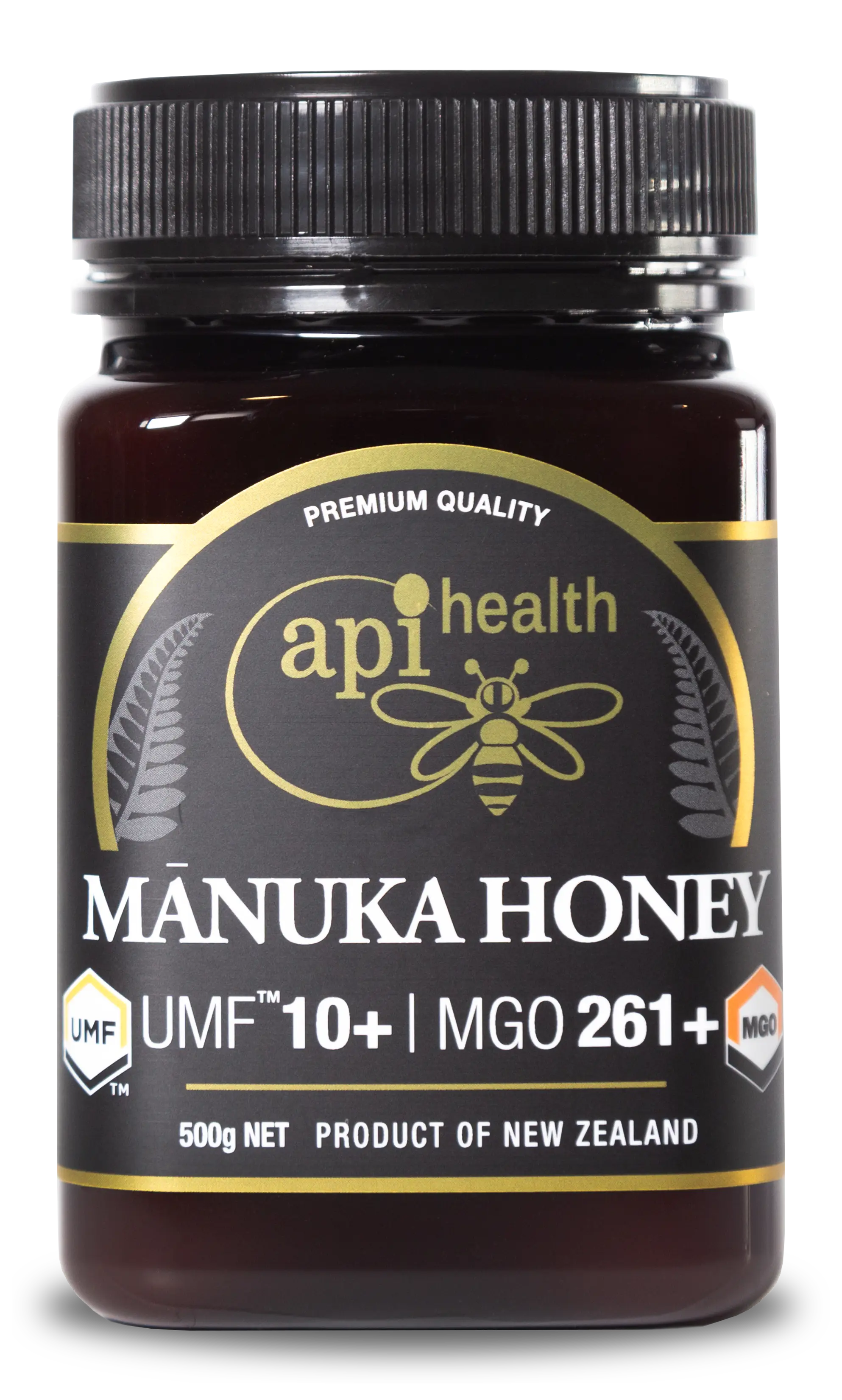
Manuka Honey UMF 10+
Premium New Zealand Manuka honey UMF 10 for everyday wellness and natural support.
$29.00
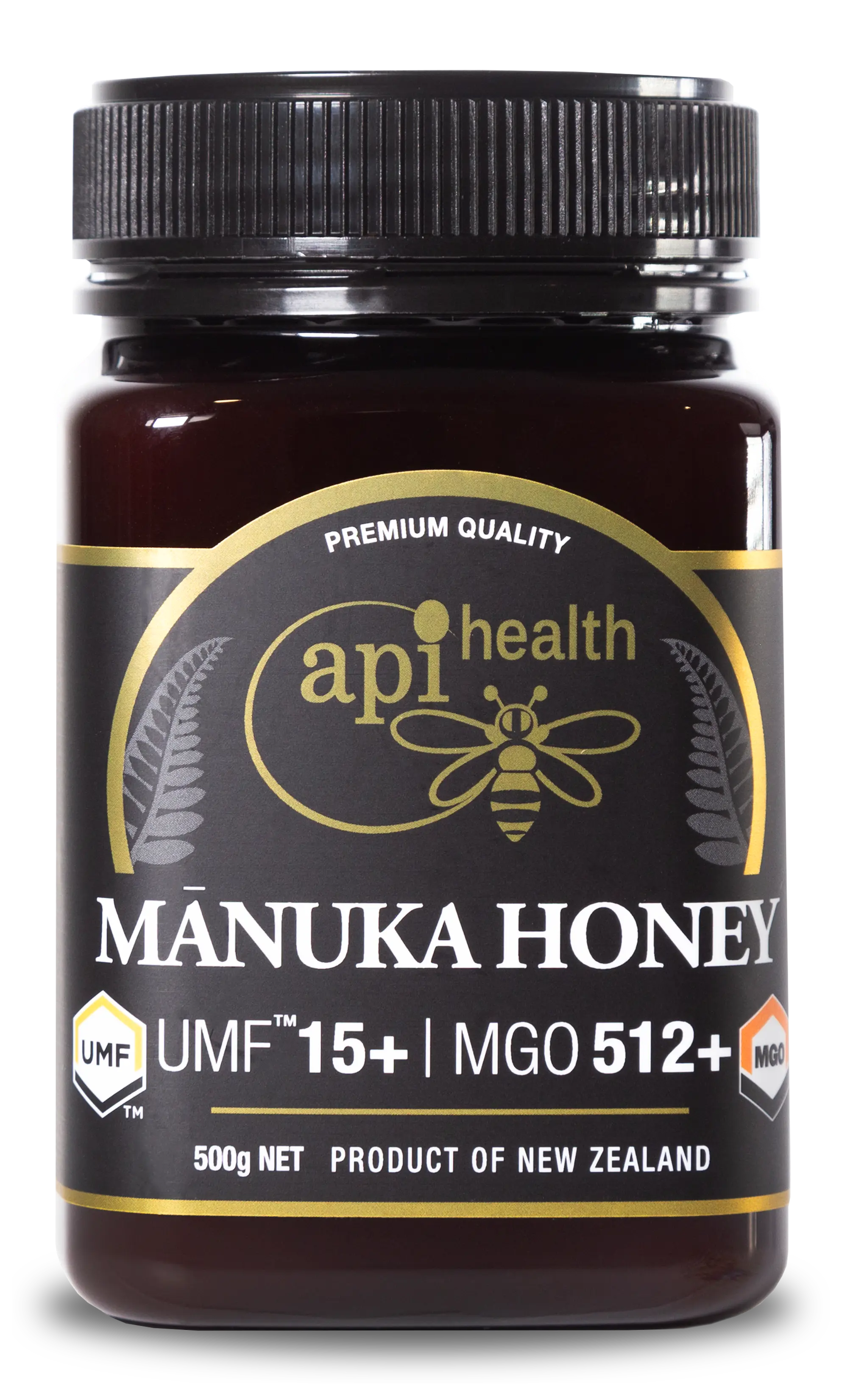
Manuka Honey UMF 15+
Premium New Zealand Manuka honey UMF 15 for everyday wellness and natural support.
$70.00
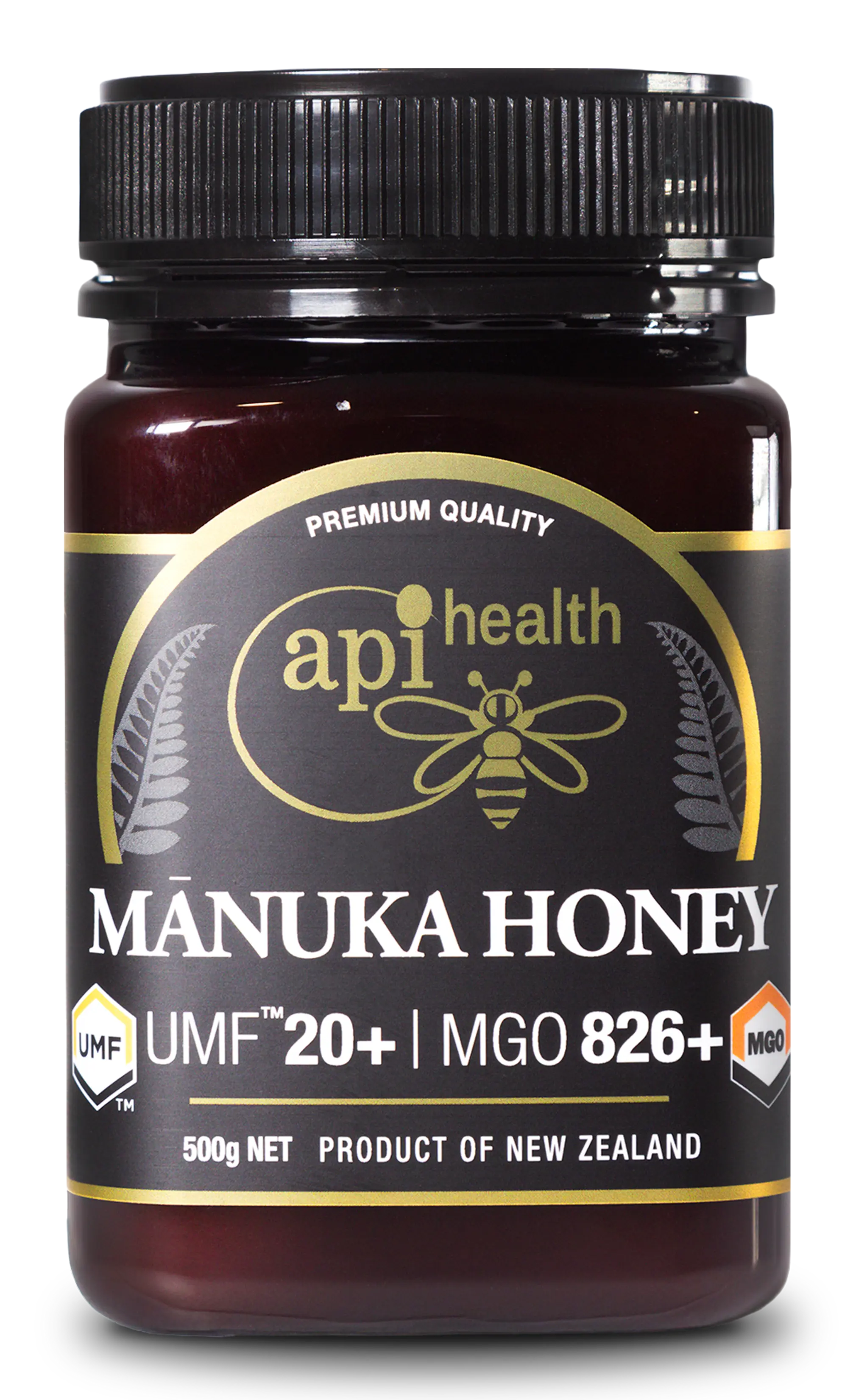
Manuka Honey UMF 20+
Premium New Zealand Manuka honey UMF 20 for everyday wellness and natural support.
$75.00
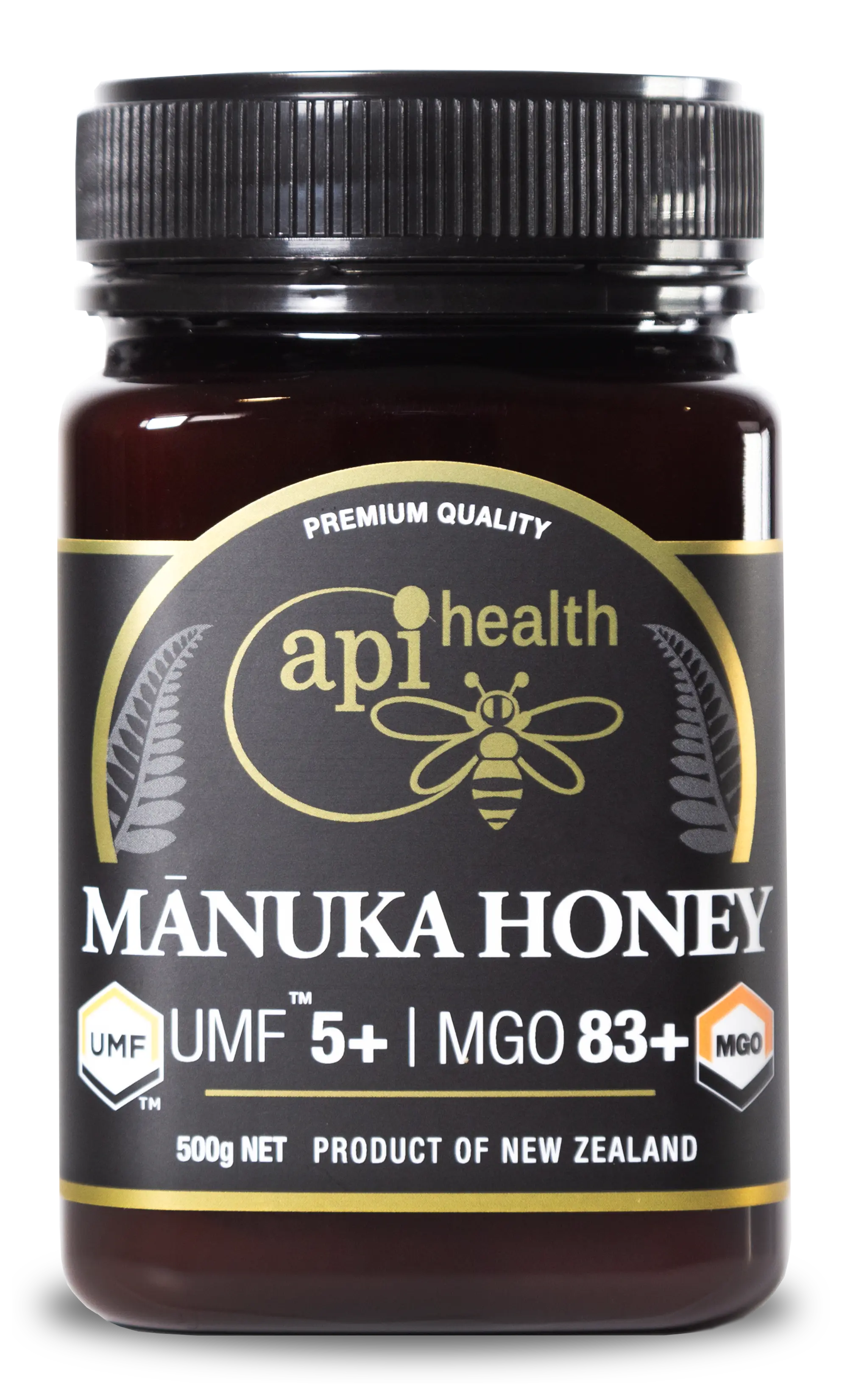
Manuka Honey UMF 5+
Premium New Zealand Manuka honey UMF 5 for everyday wellness and natural support.
$21.00
Related Articles
View all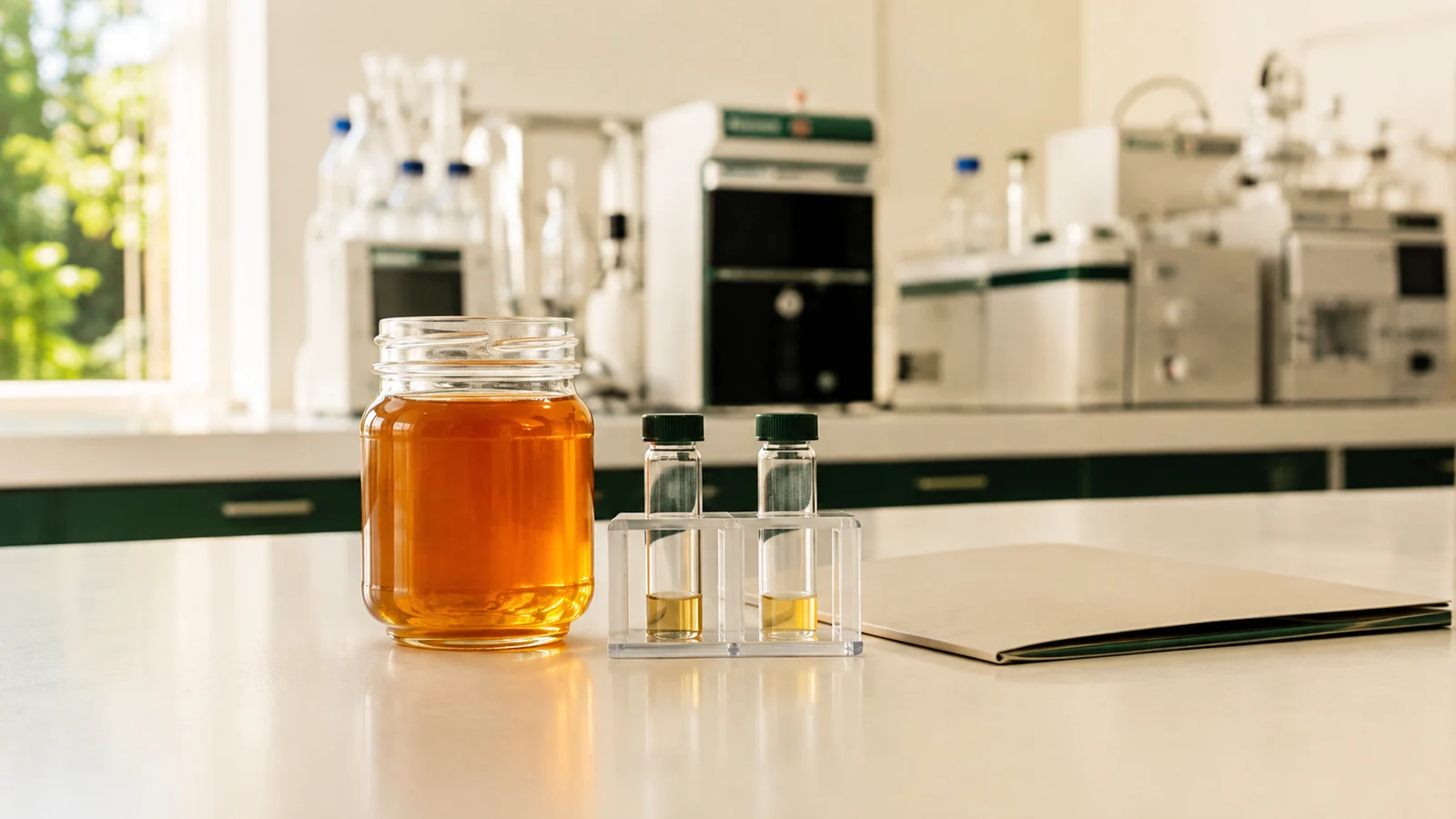
Tutin Testing in New Zealand Honey: What It Means and How to Read a Lab Certificate
Understand tutin testing in New Zealand honey, the safety limit and lab report symbols. Learn what to check and how it differs from UMF and MGO grading.
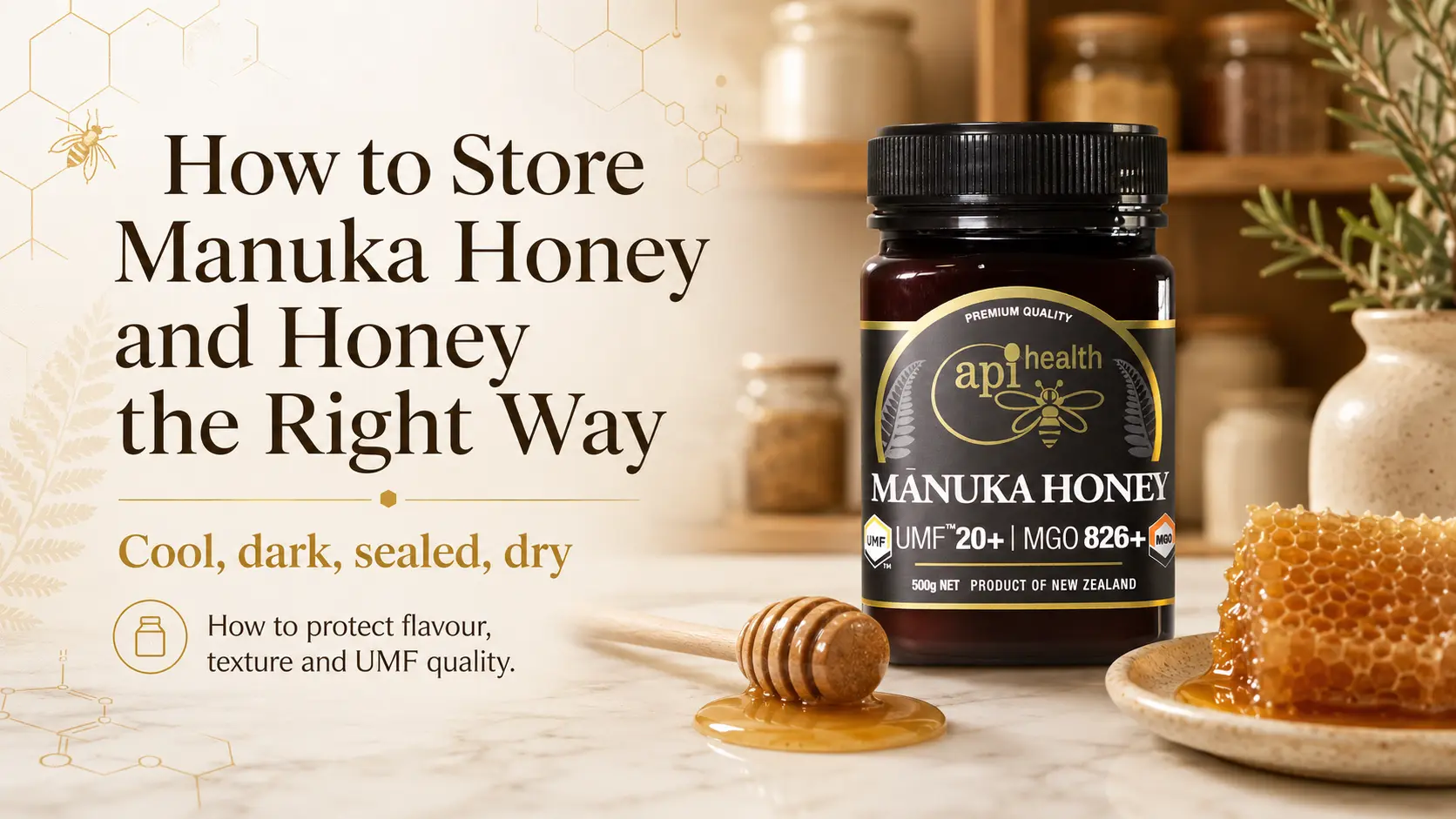
How to Store Manuka Honey and Honey the Right Way
Store Manuka honey and everyday honey in a cool, dark cupboard with the lid sealed. Learn what to avoid, how to fix crystals, and how to protect UMF quality.

Deer Antler Velvet Health Benefits: What the Science Says for Active Ageing
Curious about deer antler velvet? This guide covers what research suggests for mobility, energy and daily wellness for adults 35+, with honest NZ context.
Shop ApiHealth
Ready to bring the hive home?
Explore our New Zealand-made Manuka honey, VENZ bee venom, propolis and natural wellness range, crafted by our family of beekeepers and researchers.
