
Published by Dr. Tatiana Nikolaeva
Quick answer: Manuka honey can be used as a soothing food for throat comfort in adults and children over 12 months. Take it from the spoon or stir it into warm, not boiling, water so the honey keeps its flavour and quality.
Manuka honey helps soothe sore throats through two mechanisms: its thick consistency coats and soothes irritated tissue, while its methylglyoxal (MGO) content provides antibacterial action against throat pathogens. For sore throats, UMF 15+ (MGO 514+) is the recommended minimum strength. Take one teaspoon slowly, letting it coat the back of your throat, up to three times daily.
Using honey for sore throats isn't just a folk remedy, it's backed by research. But not all honey is equal. Manuka honey's unique MGO content gives it antibacterial properties that regular honey simply doesn't have at the same level. Here's exactly how to use it and which strength to choose.
This article is educational and is not a substitute for medical advice. Always follow product labels and speak with a qualified health professional for personal health concerns.
Why Manuka Honey Works for Sore Throats
Physical Soothing
Manuka honey is thick and viscous. When you swallow a spoonful slowly, it coats the throat lining, creating a protective barrier over irritated and inflamed tissue. This reduces the scratchy, raw feeling and can calm the cough reflex. This is the same reason honey has been used for throat relief for thousands of years.
Antibacterial Action
What makes Manuka different is methylglyoxal (MGO). This naturally occurring compound is effective against a range of bacteria, including Streptococcus species, the bacteria commonly responsible for bacterial throat infections. Higher UMF grades contain more MGO, providing stronger antibacterial activity right where it's needed.
Supporting a Normal Inflammatory Response
Research has shown that Manuka honey can reduce inflammatory markers in tissue. For a sore throat, this means less swelling, less redness, and less pain, alongside the antibacterial effect.
Which Strength to Use
| UMF Grade | MGO Level | Sore Throat Effectiveness |
|---|---|---|
| UMF 5+ | MGO 83+ | Mild soothing only, limited antibacterial effect |
| UMF 10+ | MGO 263+ | Moderate, some antibacterial benefit alongside soothing |
| UMF 15+ | MGO 514+ | Recommended, strong antibacterial + soothing |
| UMF 20+ | MGO 829+ | Maximum potency, for severe or persistent sore throats |
Our recommendation: UMF 15+ for sore throats. It delivers meaningful antibacterial activity while being cost-effective for regular use during cold and flu season. Step up to UMF 20+ if you want maximum strength.
How to Take It: Step by Step
- Take one teaspoon (about 7-10g) of Manuka honey directly from the spoon
- Let it slide slowly down your throat, don't swallow it quickly. The longer it stays in contact with your throat tissue, the more effective it is
- Don't eat or drink for 15-20 minutes afterwards, so the honey can continue coating and working on the throat
- Repeat up to 3 times daily: morning, afternoon, and before bed works well
- For warm drinks: Stir into warm (not boiling) water, herbal tea, or warm water with lemon. Keep the temperature below 40°C to preserve the MGO content
Important: Do not add Manuka honey to boiling water or very hot drinks. High temperatures degrade methylglyoxal and reduce the antibacterial benefit. Let your drink cool to a comfortable sipping temperature first.
Manuka Honey vs Regular Honey for Sore Throats
| Regular Honey | Manuka Honey (UMF 15+) | |
|---|---|---|
| Throat coating | Yes | Yes |
| General antibacterial | Mild (hydrogen peroxide) | Strong (MGO + hydrogen peroxide) |
| Survives in the body | No, enzymes neutralise hydrogen peroxide | Yes. MGO is stable and not neutralised by body enzymes |
| inflammatory response support | Mild | Moderate to strong |
| Scientifically graded | No | Yes. UMF/MGO rating on every jar |
The key difference: regular honey's antibacterial activity comes from hydrogen peroxide, which is quickly broken down by enzymes in your body. Manuka honey's MGO is stable and continues working after you swallow it.
When to See a Doctor
Manuka honey is excellent for soothing everyday sore throats, from colds, mild infections, dry air, or overuse of your voice. However, see a healthcare professional if:
- Your sore throat lasts more than a week
- You have a high fever (above 38.3°C / 101°F)
- You have difficulty swallowing or breathing
- You see white patches on your tonsils
- Your symptoms are getting worse rather than better
Manuka honey is a complementary remedy, not a replacement for medical treatment when it's needed.
Related ApiHealth Guides
- Manuka & Lemon
- Manuka & Propolis
- Manuka honey for kids and family wellness
- How to store Manuka honey
Frequently Asked Questions
How quickly does Manuka honey help a sore throat?
The physical soothing effect is almost immediate, you'll feel the coating and relief within minutes. The antibacterial benefits build with consistent use over 1-3 days. Most people notice significant improvement within 24-48 hours when taking it three times daily.
Can I give Manuka honey to children for sore throats?
Never give any honey to children under 12 months due to botulism risk. For children over one year, Manuka honey can be used in smaller doses (half a teaspoon). Consult your paediatrician for specific guidance, especially for children under 2.
Can I use Manuka honey alongside throat lozenges or medication?
Yes, in most cases. Manuka honey is a food product and doesn't typically interact with medications. However, if you're taking prescription medication for a throat infection (like antibiotics), continue taking them as directed and use Manuka honey as a complementary soother. Consult your pharmacist if unsure.
Does the honey need to be raw or unpasteurised?
For maximum benefit, choose raw, unpasteurised Manuka honey. Pasteurisation (high-heat processing) can reduce MGO levels and other beneficial compounds. Most quality NZ Manuka honey is minimally processed to preserve its natural properties.
Is Manuka honey good for a cough as well?
Yes. The same coating action that soothes a sore throat also calms the cough reflex. Research has shown that honey can be as effective as some over-the-counter cough suppressants. A spoonful before bed can help reduce nighttime coughing.
The Bottom Line
UMF 15+ Manuka honey is the ideal strength for sore throats, strong enough for real antibacterial action, practical enough for daily use during cold season. Let it coat your throat slowly, take it three times a day, and don't wash it down with hot liquids.
Shop our UMF Manuka Honey: every jar independently tested by Hill Laboratories and traceable to its batch certificate.
About the author
Dr. Tatiana Nikolaeva
Co-founder & Product Researcher, ApiHealth NZ
Dr. Tatiana Nikolaeva works alongside the ApiHealth research team in New Zealand, focusing on natural formulations across the company’s bee-derived wellness and skincare ranges. She writes on Manuka honey, bee pollen and everyday natural wellness.
More about the ApiHealth teamKey Ingredients
Featured Products
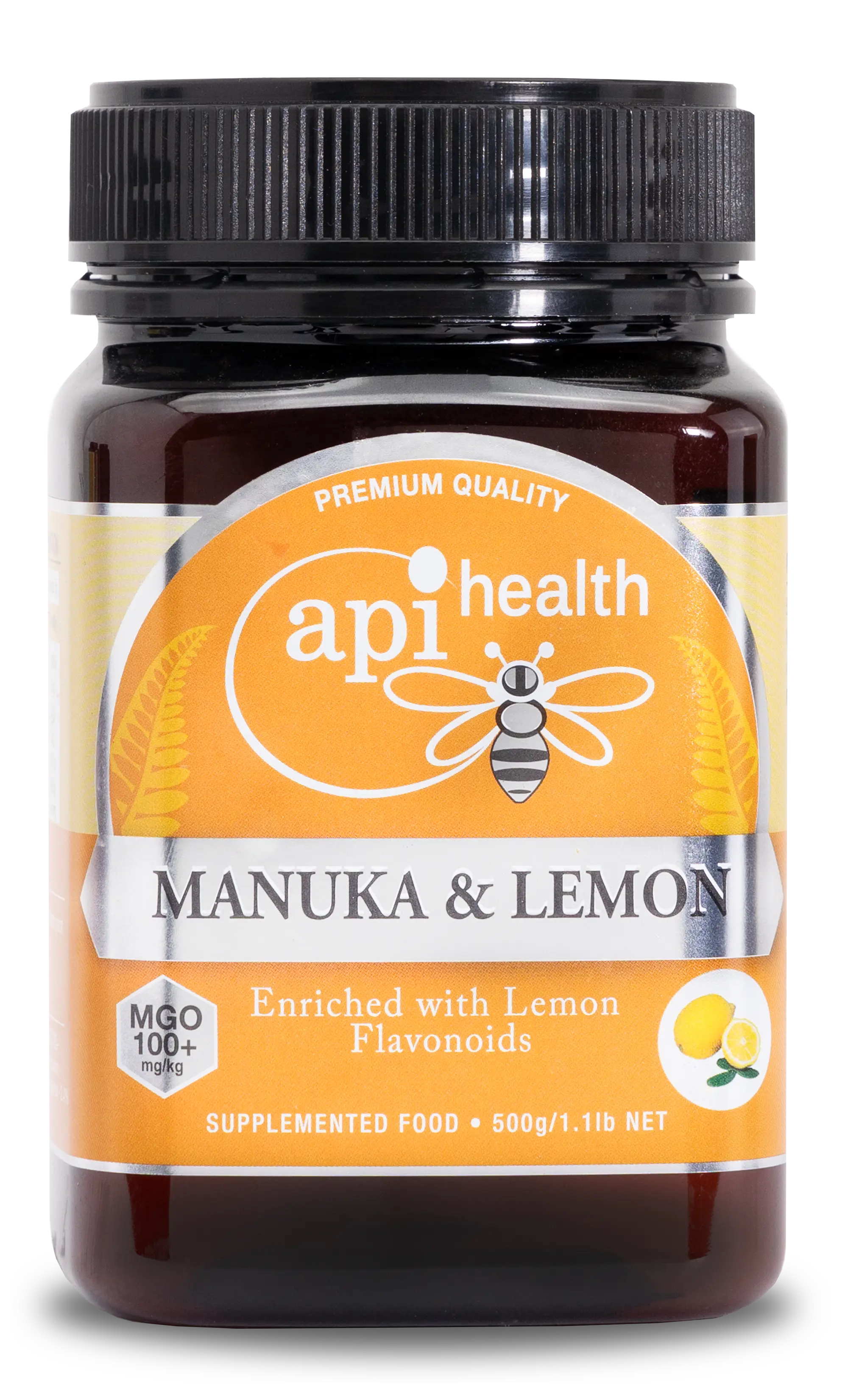
Manuka & Lemon
A zesty Manuka honey formula with lemon, crafted to soothe the throat and refresh your daily wellness routine.
$21.00
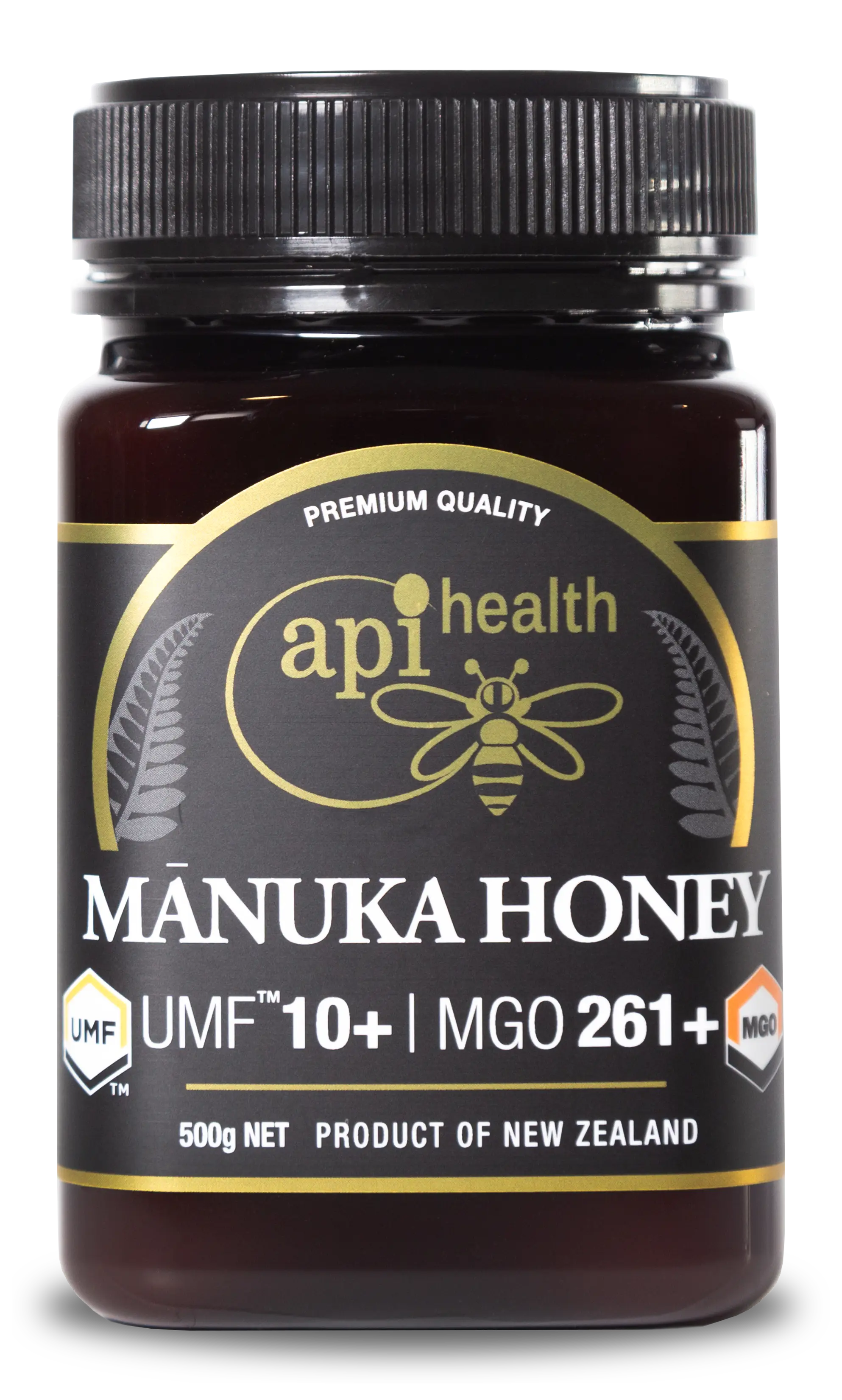
Manuka Honey UMF 10+
Premium New Zealand Manuka honey UMF 10 for everyday wellness and natural support.
$29.00
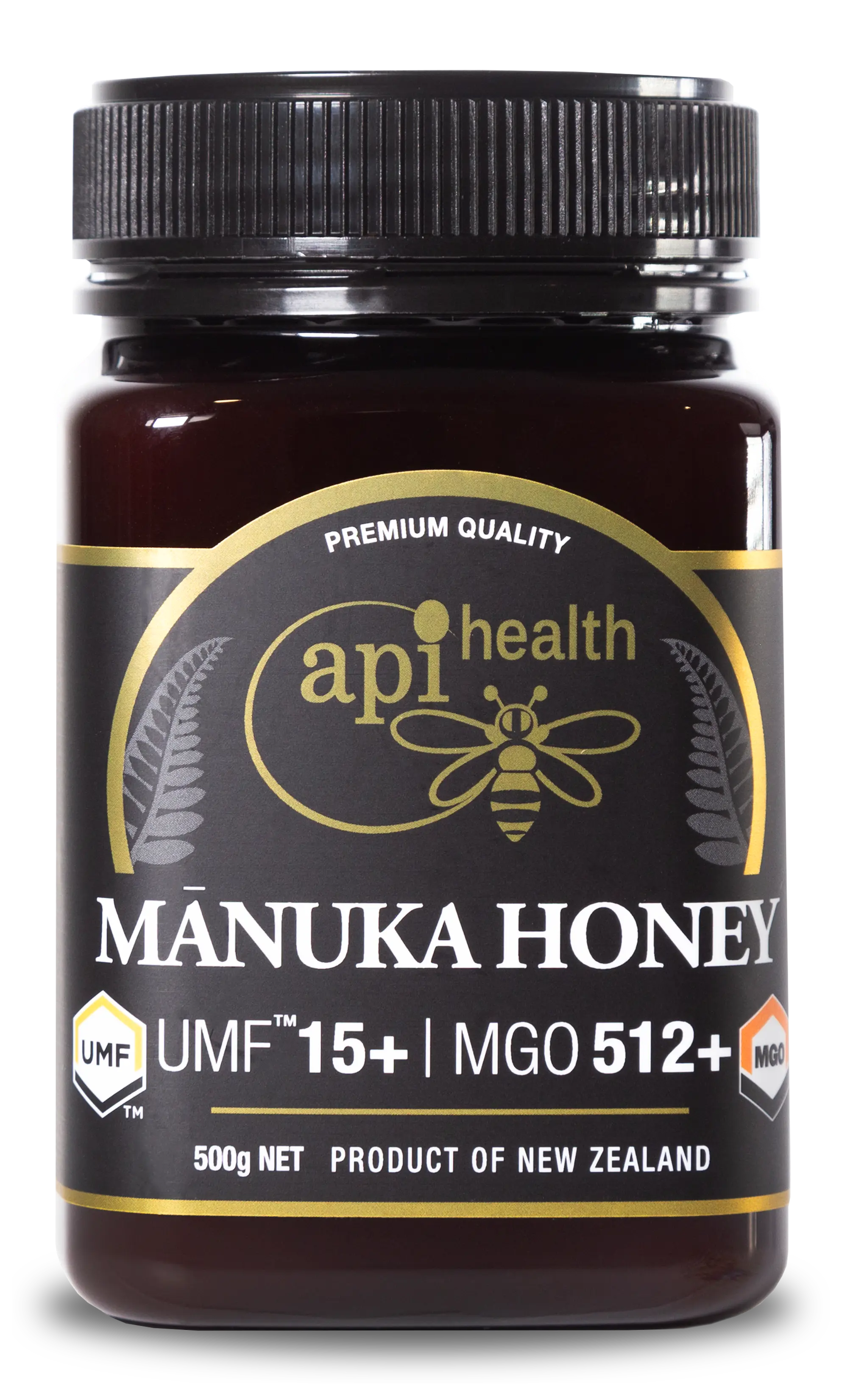
Manuka Honey UMF 15+
Premium New Zealand Manuka honey UMF 15 for everyday wellness and natural support.
$70.00
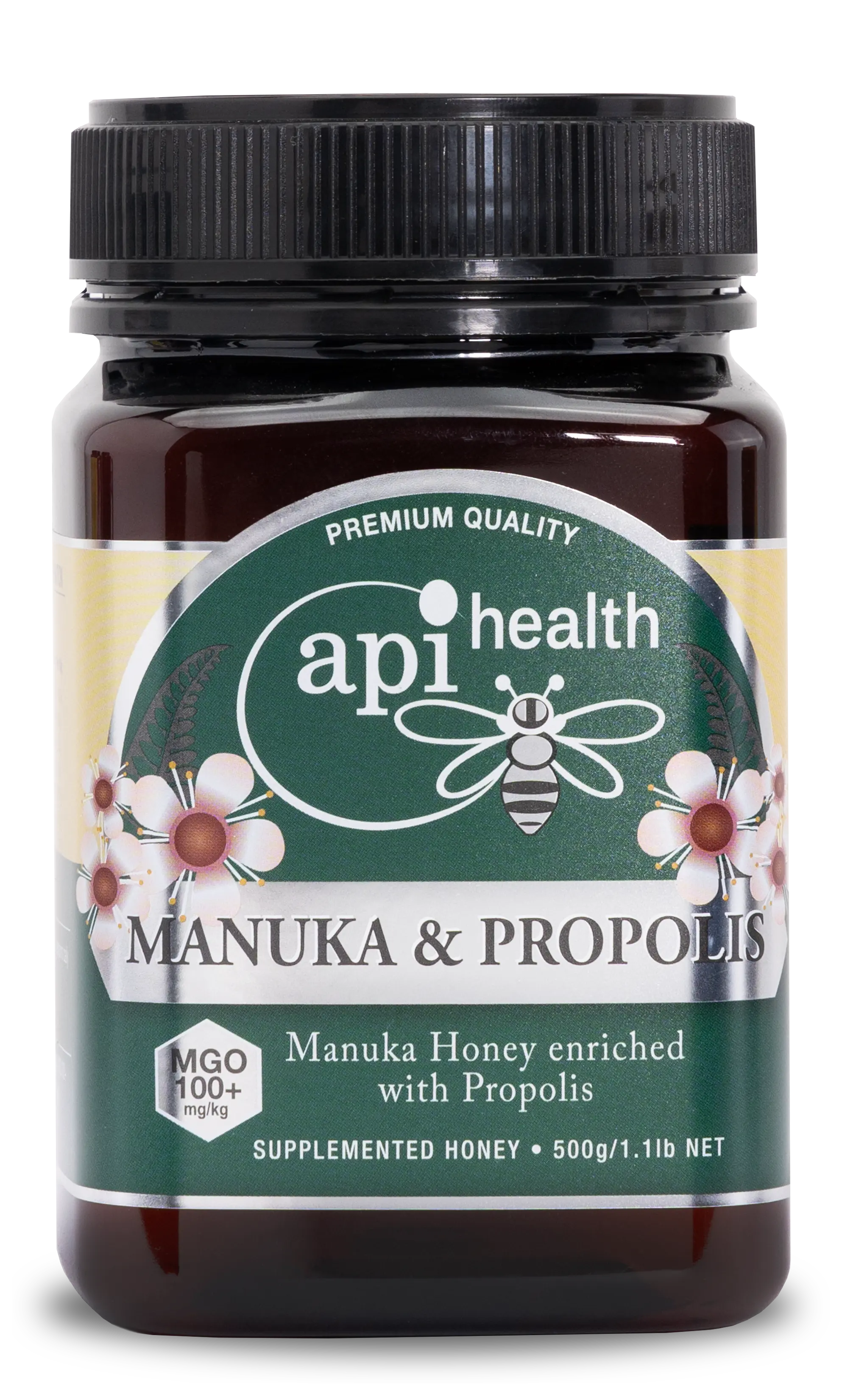
Manuka & Propolis
A functional Manuka honey formula with propolis to support immune wellbeing, seasonal protection and natural resilience.
$23.00
Related Articles
View all
Tutin Testing in New Zealand Honey: What It Means and How to Read a Lab Certificate
Understand tutin testing in New Zealand honey, the safety limit and lab report symbols. Learn what to check and how it differs from UMF and MGO grading.
Is UMF 10+ Good Enough? When to Upgrade (and When It Is Not)
UMF 10+ is the everyday Manuka grade most people actually need. Here is when stepping up to UMF 15+ or 20+ is worth it, and when an upgrade is just money spent.
Better Together: ApiHealth Product Combinations That Support Your Goals
Some bee products complement each other naturally. Discover five practical ApiHealth combinations for joints, immunity, energy, digestion and skin, and how to build a routine that works.
Shop ApiHealth
Ready to bring the hive home?
Explore our New Zealand-made Manuka honey, VENZ bee venom, propolis and natural wellness range, crafted by our family of beekeepers and researchers.
