

Published by Dr. Nikolai Nikolaev
Quick answer: Manuka honey is suitable for children over 12 months as part of a family wellness routine. It should never be given to babies under one year old, and families should use age-appropriate portions as a food, not as medicine.
This article is educational and is not a substitute for medical advice. Always follow product labels and speak with a qualified health professional for personal health concerns.
Is Manuka Honey Safe for Children?
The first question every parent asks, and the most important one to answer clearly.
Manuka honey is safe for children over 12 months of age. It should never be given to infants under one year old. This applies to all types of honey, not just Manuka.
Why the 12-Month Rule?
All honey, including Manuka, can contain spores of Clostridium botulinum, the bacterium that causes infant botulism. While these spores are harmless to older children and adults (whose mature digestive systems can handle them), an infant's immature gut cannot prevent the spores from germinating. This can lead to a rare but serious condition.
After 12 months, a child's digestive system is mature enough to handle honey safely, and Manuka honey becomes a valuable addition to the family wellness toolkit.
How Manuka Honey Supports Children's Health
Soothing Coughs and Sore Throats
This is perhaps the most well-supported use of Manuka honey for children. Multiple studies have shown that honey is an effective natural remedy for coughs associated with upper respiratory infections in children.
The American Academy of Pediatrics recognises honey as a helpful option for cough relief in children over one year old. A study cited by the World Health Organisation found that honey reduced cough frequency and severity, and improved sleep quality for both children and parents, often outperforming over-the-counter cough suppressants.
Manuka honey is particularly effective because its thick consistency coats the throat, providing a soothing effect, while its natural MGO content offers antibacterial support in the throat area.
Immune System Support
Manuka honey contains natural antibacterial, antioxidant, and inflammatory-response-supporting compounds that can support a child's developing immune system. While it's not a medicine and shouldn't replace medical care, regular small amounts can help support overall immune resilience, especially during the school year when children are exposed to more germs.
The polyphenols and flavonoids in Manuka honey help protect cells from oxidative damage, while its prebiotic properties support a healthy gut microbiome, and since a large portion of the immune system resides in the gut, supporting gut health is directly supporting immune health.
Digestive Comfort
Manuka honey's soothing properties extend to the digestive system. A small amount in warm water can help settle an upset stomach in older children. Its prebiotic qualities support beneficial gut bacteria, contributing to healthy digestion and nutrient absorption during critical growth periods.
Natural Energy
Unlike refined sugar, Manuka honey provides a combination of natural carbohydrates with trace vitamins, minerals, and enzymes. This makes it a more nutritious sweetener for active children, providing steady energy rather than the spike-and-crash cycle associated with processed sugars.
Recommended Dosage by Age
Moderation is important, honey is still a natural sugar, and portion control matters for children's health.
| Age Group | Daily Amount | Notes |
|---|---|---|
| Under 12 months | None | Never give honey to infants |
| 1 to 5 years | Up to 1/2 teaspoon | Introduce gradually; observe for any reactions |
| 6 to 11 years | 1 teaspoon | Good for daily wellness or cough relief |
| 12+ years | Up to 2 teaspoons | Can use like an adult, in moderation |
For cough relief, give the recommended amount 30 minutes before bedtime. The honey coats the throat and can reduce overnight coughing, helping everyone sleep better.
Which UMF Grade Is Right for Kids?
Higher UMF doesn't necessarily mean better for children. The right grade depends on what you're using it for:
- UMF 5+ (MGO 83+): Perfect for daily use as a nutritious sweetener. Mild flavour that most kids enjoy
- UMF 10+ (MGO 263+): Great all-rounder for everyday immune support and general wellness
- UMF 15+ (MGO 514+): Good for when children are starting to feel unwell or during cold season
- UMF 20+ (MGO 829+): Higher potency for active coughs, sore throats, or when stronger support is needed
For most families, UMF 5+ or UMF 10+ is the ideal everyday choice. Save the higher grades for when children are unwell or need more targeted support.
Creative Ways to Serve Manuka Honey to Kids
Getting children to take Manuka honey is usually easy, most kids love the taste. But here are some creative ways to incorporate it into daily routines:
Breakfast Ideas
- Drizzle over warm porridge or oatmeal
- Mix into natural yoghurt with fresh berries
- Spread on wholegrain toast (a healthier alternative to jam)
- Stir into warm milk as a morning drink
Snack Time
- Dip apple slices or banana in a small amount of Manuka honey
- Mix into smoothies with fruit and yoghurt
- Use as a dip for wholegrain crackers
When They're Unwell
- A spoonful of Manuka honey straight, the classic sore throat remedy
- Stir into warm (not hot) water with a squeeze of lemon
- Mix into warm chamomile tea for a soothing bedtime drink
Important tip: Never add Manuka honey to boiling liquids. Let drinks cool to a warm (drinkable) temperature first, as excessive heat can reduce the honey's natural enzyme activity.
Building a Family Wellness Routine
Incorporating Manuka honey into your family's daily routine is simple:
- Morning: A small amount with breakfast, on toast, in porridge, or in yoghurt
- Seasonal support: Increase slightly during winter or when children start a new school term
- When symptoms appear: Switch to a higher UMF grade at the first sign of a sore throat or cough
- Recovery: Continue for a few days after symptoms resolve to support ongoing recovery
Related ApiHealth Guides
Frequently Asked Questions
Can children have Manuka honey every day?
Yes, in age-appropriate amounts. Used in moderation as part of a balanced diet, daily Manuka honey is safe and potentially beneficial for children over 12 months.
Can Manuka honey replace cough medicine?
For mild coughs associated with common colds, many healthcare professionals now recommend honey as a first-line option for children over one year old. However, persistent coughs, high fevers, or other concerning symptoms should always be assessed by a doctor.
Is Manuka honey better than regular honey for children?
All honey offers some benefits, but Manuka honey contains additional bioactive compounds, particularly MGO, that provide enhanced antibacterial properties not found in regular honey. For wellness use (coughs, immune support), Manuka honey offers more targeted benefits.
Should I worry about the sugar content?
In the small amounts recommended (1/2 to 2 teaspoons), the sugar intake from Manuka honey is modest and comes alongside beneficial nutrients. It's a far better choice than refined sugar or processed sweeteners. That said, honey shouldn't replace balanced meals or be consumed in excess.
The Bottom Line
Manuka honey is a safe, natural, and evidence-backed addition to family wellness for children over 12 months. Whether you're looking to soothe a cough, support immune health during cold season, or simply swap processed sugar for something more nutritious, Manuka honey offers genuine benefits backed by both traditional use and modern research.
Start with a lower UMF grade for daily use, choose a higher grade when stronger support is needed, and always use age-appropriate amounts. It's one of the simplest, and most delicious, ways to support your family's health naturally.

About the author
Dr. Nikolai Nikolaev
Founder & Lead Researcher, ApiHealth NZ
Dr. Nikolai Nikolaev founded ApiHealth in New Zealand and has spent more than 25 years researching bee-derived health products. He pioneered the company’s patented VENZ bee venom collection technology and leads its work on apitherapy, Manuka honey and propolis.
More about the ApiHealth teamFeatured Products
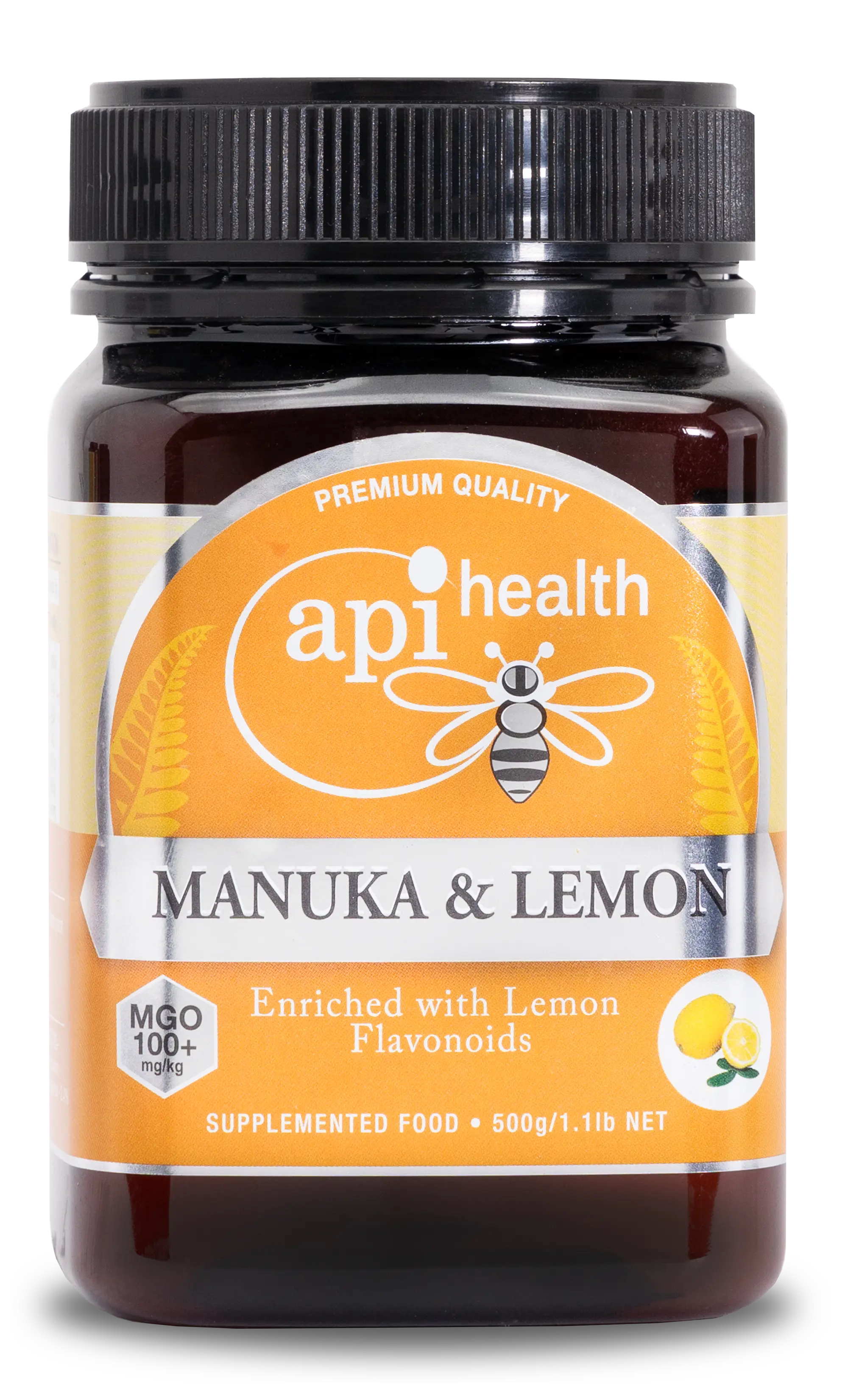
Manuka & Lemon
A zesty Manuka honey formula with lemon, crafted to soothe the throat and refresh your daily wellness routine.
$21.00
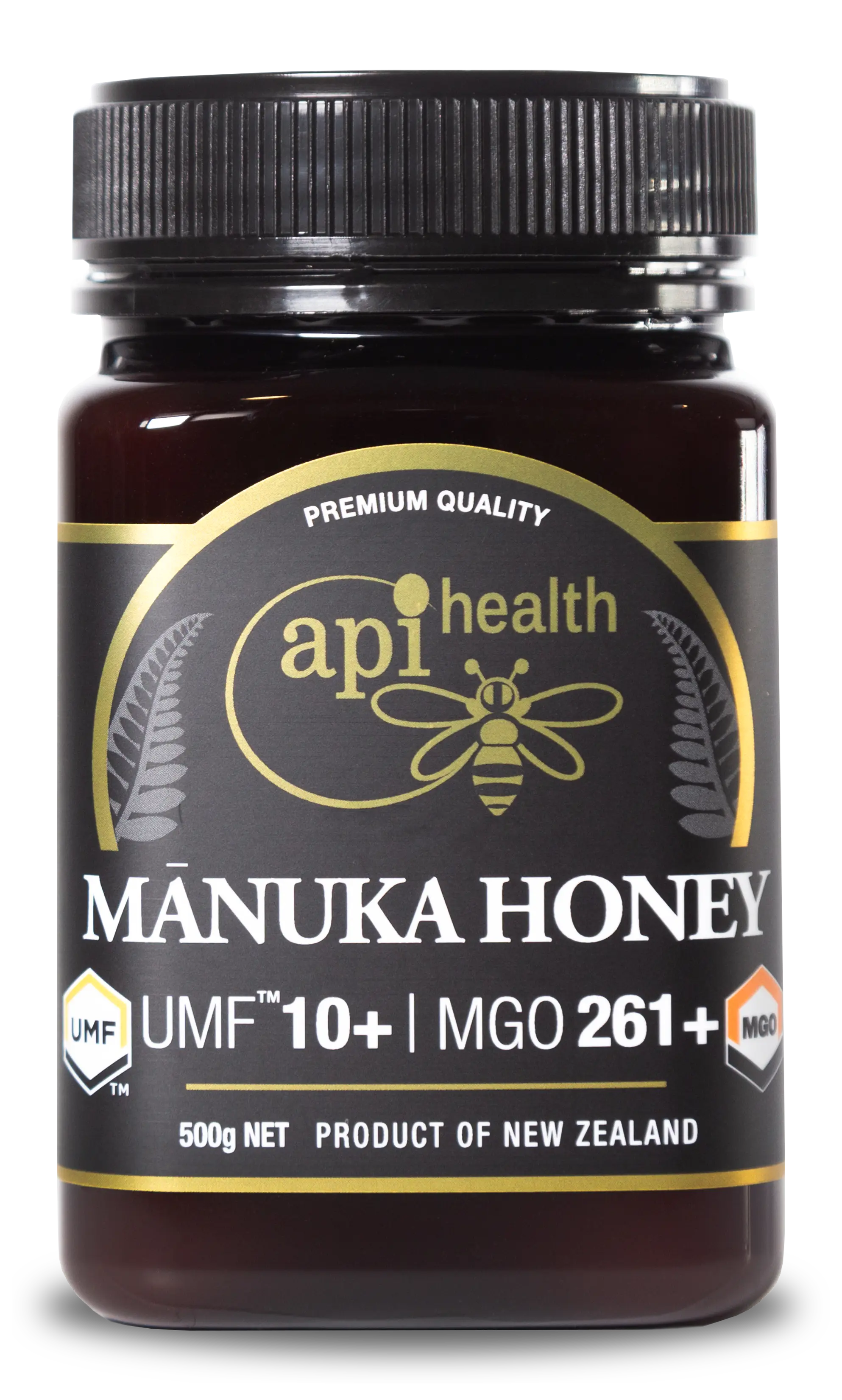
Manuka Honey UMF 10+
Premium New Zealand Manuka honey UMF 10 for everyday wellness and natural support.
$29.00
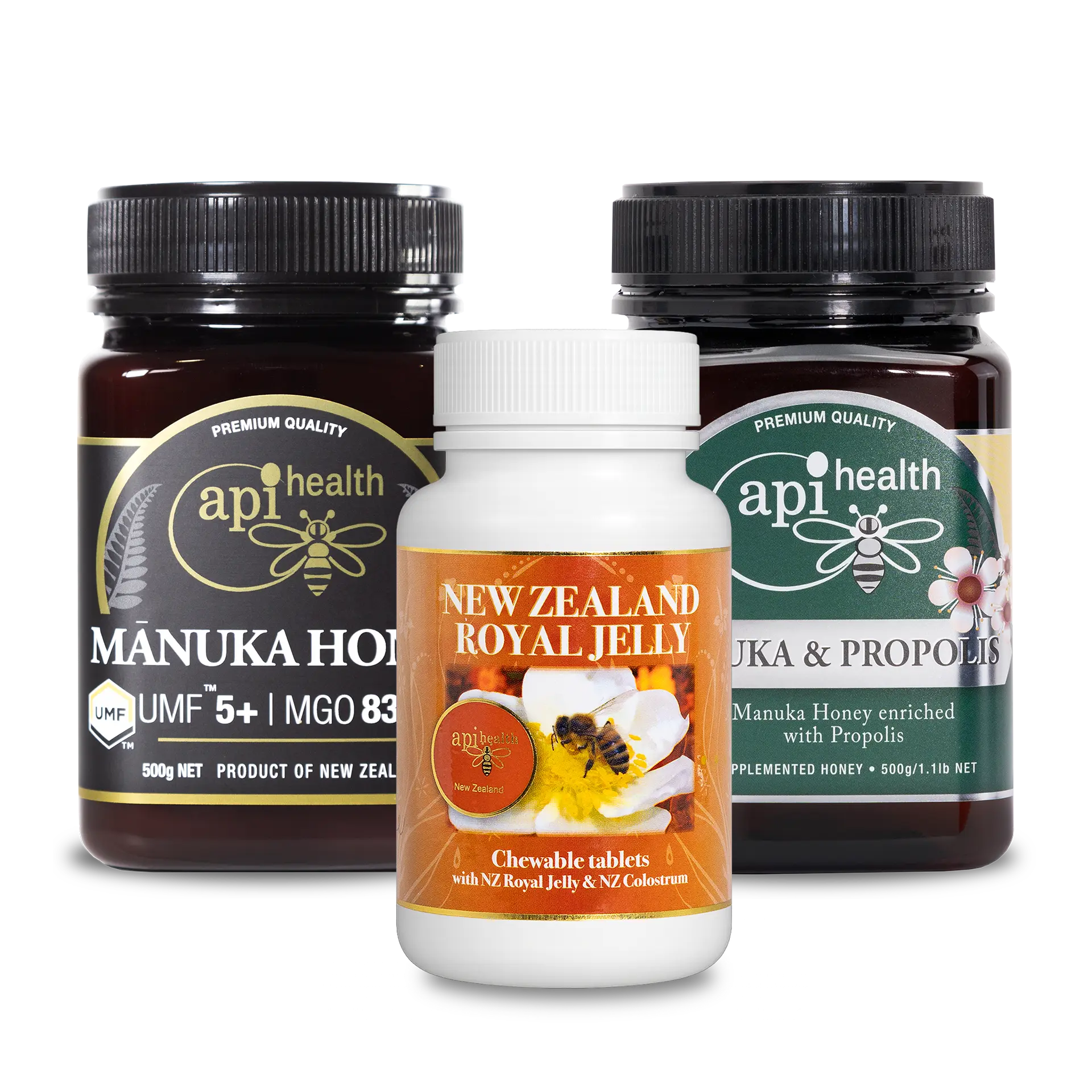
Health Pack
Curated health pack combining ApiHealth favourites for convenient, all-in-one wellness support.
$83.50
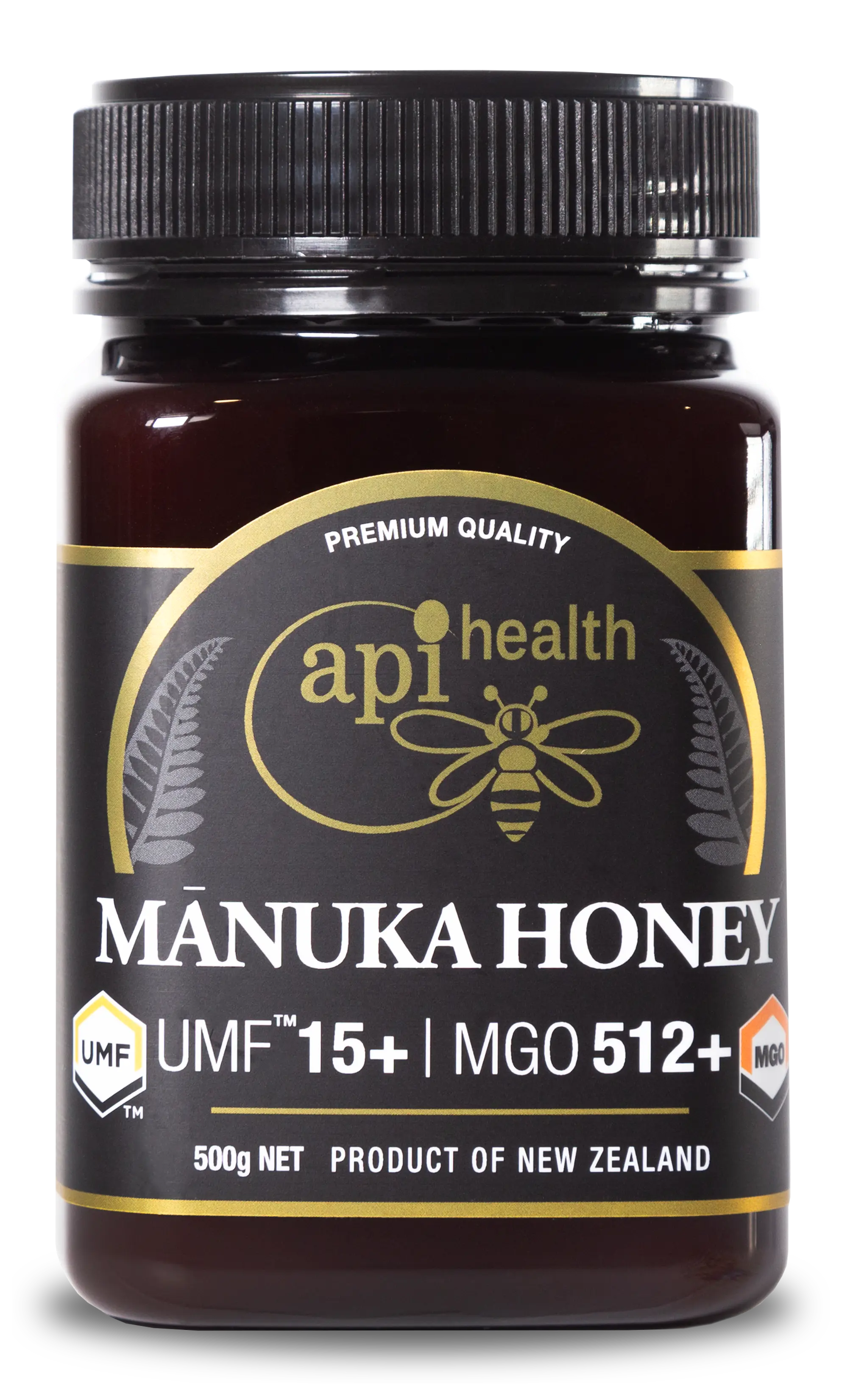
Manuka Honey UMF 15+
Premium New Zealand Manuka honey UMF 15 for everyday wellness and natural support.
$70.00
Related Articles
View all
Tutin Testing in New Zealand Honey: What It Means and How to Read a Lab Certificate
Understand tutin testing in New Zealand honey, the safety limit and lab report symbols. Learn what to check and how it differs from UMF and MGO grading.
Is UMF 10+ Good Enough? When to Upgrade (and When It Is Not)
UMF 10+ is the everyday Manuka grade most people actually need. Here is when stepping up to UMF 15+ or 20+ is worth it, and when an upgrade is just money spent.
Better Together: ApiHealth Product Combinations That Support Your Goals
Some bee products complement each other naturally. Discover five practical ApiHealth combinations for joints, immunity, energy, digestion and skin, and how to build a routine that works.
Shop ApiHealth
Ready to bring the hive home?
Explore our New Zealand-made Manuka honey, VENZ bee venom, propolis and natural wellness range, crafted by our family of beekeepers and researchers.
