

Published by Dr. Nikolai Nikolaev
Quick answer: Store Mānuka honey and everyday honey in a cool, dry, dark cupboard with the lid firmly closed. Use a clean, dry spoon every time. Do not refrigerate it, do not leave it in direct sun, and do not warm it with boiling water. If it crystallises, it is usually still perfectly normal honey.
Honey is one of the easiest pantry foods to keep well, but a few small habits make a big difference. The goal is not just shelf life. It is protecting flavour, texture, aroma, and in the case of UMF™ Mānuka honey, the quality markers that make New Zealand Mānuka so recognisable: MGO, DHA, leptosperin, and low HMF.
The Best Place to Store Honey
The best place for honey is a pantry or kitchen cupboard that stays close to normal room temperature. A practical target is around 18 to 24 C. Cooler is fine if the jar is easy to use, but steady is better than dramatic temperature swings.
Keep your jar away from the stove, oven, dishwasher, sunny windowsills, car dashboards, and any shelf that gets hot during the day. Heat speeds up quality changes in honey. Food science guidance from FAO and Codex recognises heat exposure as a key factor in honey quality because it can affect enzyme activity, flavour, colour, and HMF levels over time.
For everyday use, one jar on a convenient cupboard shelf is perfect. If you buy several jars of UMF 20+ Mānuka honey, keep the extras in the coolest dark cupboard you have and open one at a time.
Why the Lid Matters More Than People Think
Honey is hygroscopic, which means it can draw moisture from the air. That is useful in the hive, but not useful when a jar is left open in a humid kitchen. Extra moisture can make honey more likely to ferment, especially if crumbs, butter, tea, or water are introduced by a used spoon.
The habit is simple: open the jar, use a clean dry spoon, then close the lid properly. Do not dip a wet teaspoon back into the jar after stirring tea. Do not use a knife with toast crumbs or butter on it. Those tiny shortcuts are the main ways a long-lasting food becomes less stable.
Should You Refrigerate Honey?
No, honey does not need the fridge. Refrigeration does not add meaningful shelf life for a sealed jar of honey, and it often makes the texture thick, grainy, or hard to spoon. Cold storage can encourage crystallisation in many honeys, which makes people think something has gone wrong when it has not.
If you live somewhere very hot and your pantry sits above 30 C for long periods, choose the coolest cupboard first. Refrigeration is a last resort for heat control, not the normal storage method. For most New Zealand homes, a dark pantry is the better answer.
What Crystallisation Means
Crystallisation is natural. Honey is rich in sugars, and over time glucose can form crystals. Some honeys crystallise quickly; others stay runny for longer. Pollen content, glucose-to-fructose balance, moisture, processing style, and storage temperature all influence how fast it happens.
Crystallised honey is not spoiled. It is still honey. The flavour can even feel richer because the texture changes. You can spread it on toast, stir it into warm drinks, or soften it back to a smoother texture.
How to Soften Crystallised Honey
Use gentle warmth, not aggressive heat. Place the closed jar in a bowl of warm water, let it sit, and stir once it begins to soften. Repeat with fresh warm water if needed.
- Do: Use warm water and patience.
- Do: Keep the lid on so water cannot enter the jar.
- Do: Warm only the amount you need if you have a large jar.
- Do not: Boil the jar, microwave repeatedly, or leave it on direct heat.
High heat can darken honey and dull the delicate aroma. For premium Mānuka honey, gentle handling is especially important because the product is valued for traceable quality, not just sweetness.
Does Mānuka Honey Expire?
Honey does not expire like milk, yoghurt, or fresh fruit. When it is sealed, dry, and uncontaminated, it is naturally stable. The best-before date on a jar is mainly about quality assurance: flavour, texture, and certified marker levels staying within the brand and regulatory expectations for that product.
Mānuka honey is a little more interesting than ordinary table honey because its key markers change over time. DHA can convert into MGO as honey matures, while excessive warmth can also accelerate unwanted quality changes, including HMF increase. That is why the storage advice is calm and specific: cool cupboard, dark place, tight lid.
If you want a deeper explanation of the rating system, read our guide to UMF ratings from 5+ to 20+ or our UMF vs MGO guide.
Storage Advice by Honey Type
- UMF Mānuka honey: Store in a cool, dark cupboard and keep the lid sealed. This protects flavour and helps preserve certified quality markers through the best-before period.
- Everyday liquid honey: Keep at room temperature, sealed, and away from light. Crystals are normal and can be softened gently.
- Creamed honey: Keep it cool and steady so the smooth crystal structure stays pleasant. Avoid hot cupboards because warmth can separate the texture.
- Honey formulas with botanicals: Follow the label first. ApiHealth functional honeys such as Manuka ProVENZ™, Manuka GlucoVENZ™, and Manuka Venz™ should be handled like premium Mānuka honey unless the label says otherwise.
Common Honey Storage Mistakes
- Leaving the jar open: Moisture and kitchen odours can enter the honey.
- Using a wet spoon: Water raises the risk of fermentation over time.
- Keeping honey beside the stove: Repeated heat exposure can reduce quality.
- Putting honey in the fridge: It often becomes harder to use and may crystallise faster.
- Using boiling water to fix crystals: Gentle warm water is enough.
- Assuming crystals mean spoilage: Crystallisation is a texture change, not a safety signal by itself.
How to Tell If Honey Has Been Stored Poorly
Most jars are fine. Still, trust your senses. If honey smells yeasty, sour, alcoholic, or looks actively bubbly or foamy, moisture may have entered and fermentation may have started. If the jar is cracked, the lid has failed, or there is visible contamination, do not keep using it.
Colour darkening over time is not always a safety problem, but it can signal age or heat exposure. For premium Mānuka honey, that is a good reason to store it carefully and use it within the best-before window for the best flavour and quality experience.
ApiHealth's Simple Storage Checklist
- Temperature: Cool pantry or cupboard, ideally around 18 to 24 C.
- Light: Dark storage, not a sunny bench.
- Moisture: Lid closed, clean dry spoon only.
- Heat: Keep away from ovens, stovetops, heaters, and hot cars.
- Crystals: Normal. Soften gently in warm water if you prefer liquid honey.
- Infants: Do not give honey to babies under 12 months old.
Frequently Asked Questions
What is the best way to store Mānuka honey?
Store Mānuka honey in a cool, dry, dark cupboard with the lid firmly closed. Use a clean dry spoon and keep the jar away from heat, sunlight, and moisture.
Should honey be kept in the fridge after opening?
No. Honey does not need refrigeration after opening. The fridge can make honey thicker and more likely to crystallise, while a sealed pantry jar is usually easier to use.
Is crystallised honey still good?
Yes. Crystallised honey is usually still good. It has changed texture because glucose crystals have formed. You can use it as it is or soften the jar gently in warm water.
Can I microwave honey?
It is better to avoid microwaving premium honey. Microwaves heat unevenly and can create hot spots. A bowl of warm water gives more control and protects flavour.
Does heat damage Mānuka honey?
Sustained heat can reduce honey quality over time. For Mānuka honey, careful storage helps protect flavour, texture, and certified markers through the best-before period.
How long does honey last?
Properly stored honey lasts a very long time, but flavour and quality are best within the best-before period. Keep it sealed, dry, and away from heat for the best result.
The Bottom Line
Honey storage is simple when you remember four words: cool, dark, sealed, dry. That protects everyday honey and premium ApiHealth Mānuka honey alike. Keep the jar out of the fridge, away from sunlight, and closed between uses. If crystals appear, warm gently and carry on.

About the author
Dr. Nikolai Nikolaev
Founder & Lead Researcher, ApiHealth NZ
Dr. Nikolai Nikolaev founded ApiHealth in New Zealand and has spent more than 25 years researching bee-derived health products. He pioneered the company’s patented VENZ bee venom collection technology and leads its work on apitherapy, Manuka honey and propolis.
More about the ApiHealth teamFeatured Products
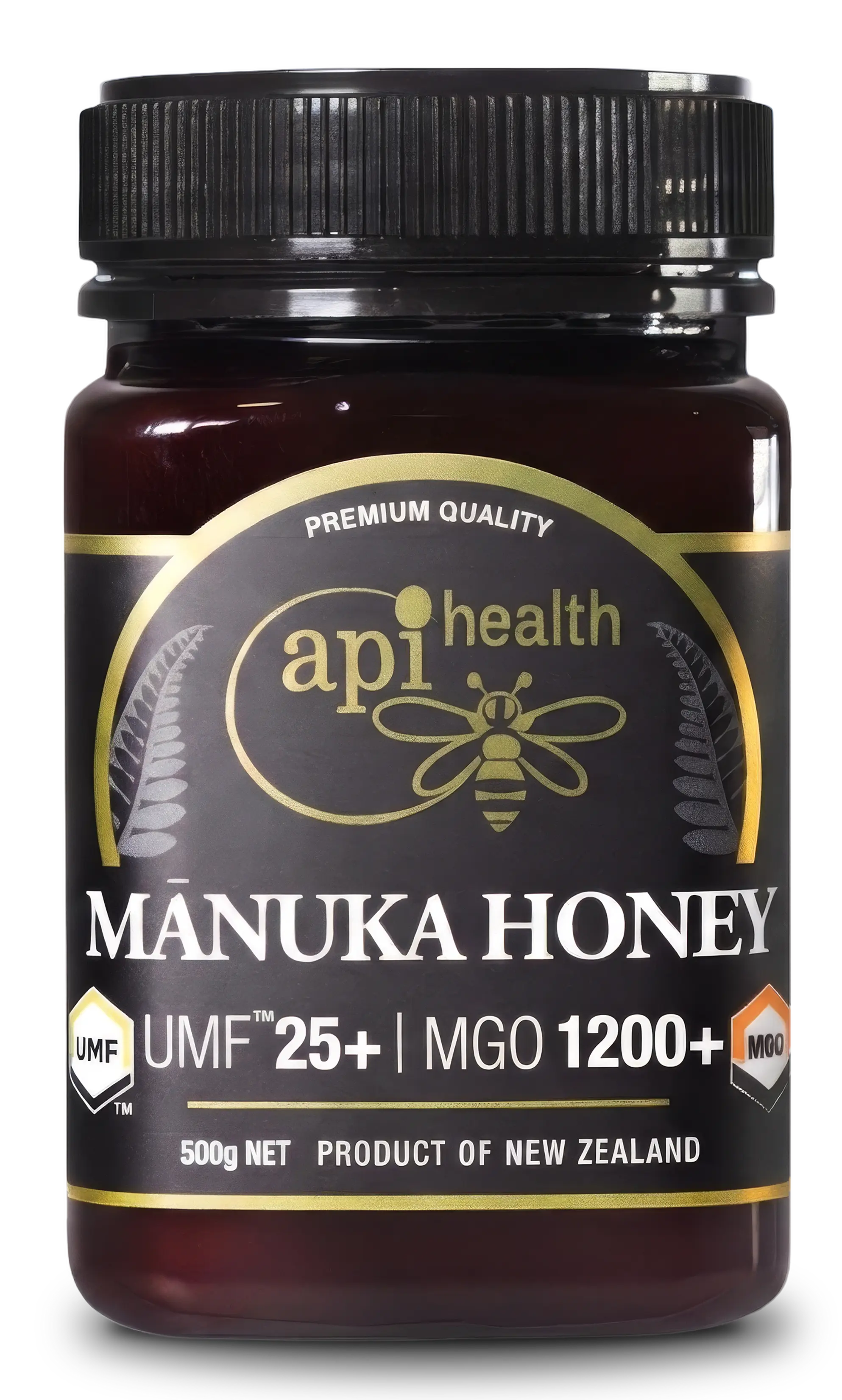
Manuka Honey UMF 25+
Premium New Zealand Manuka honey UMF 25 for everyday wellness and natural support.
$300.00
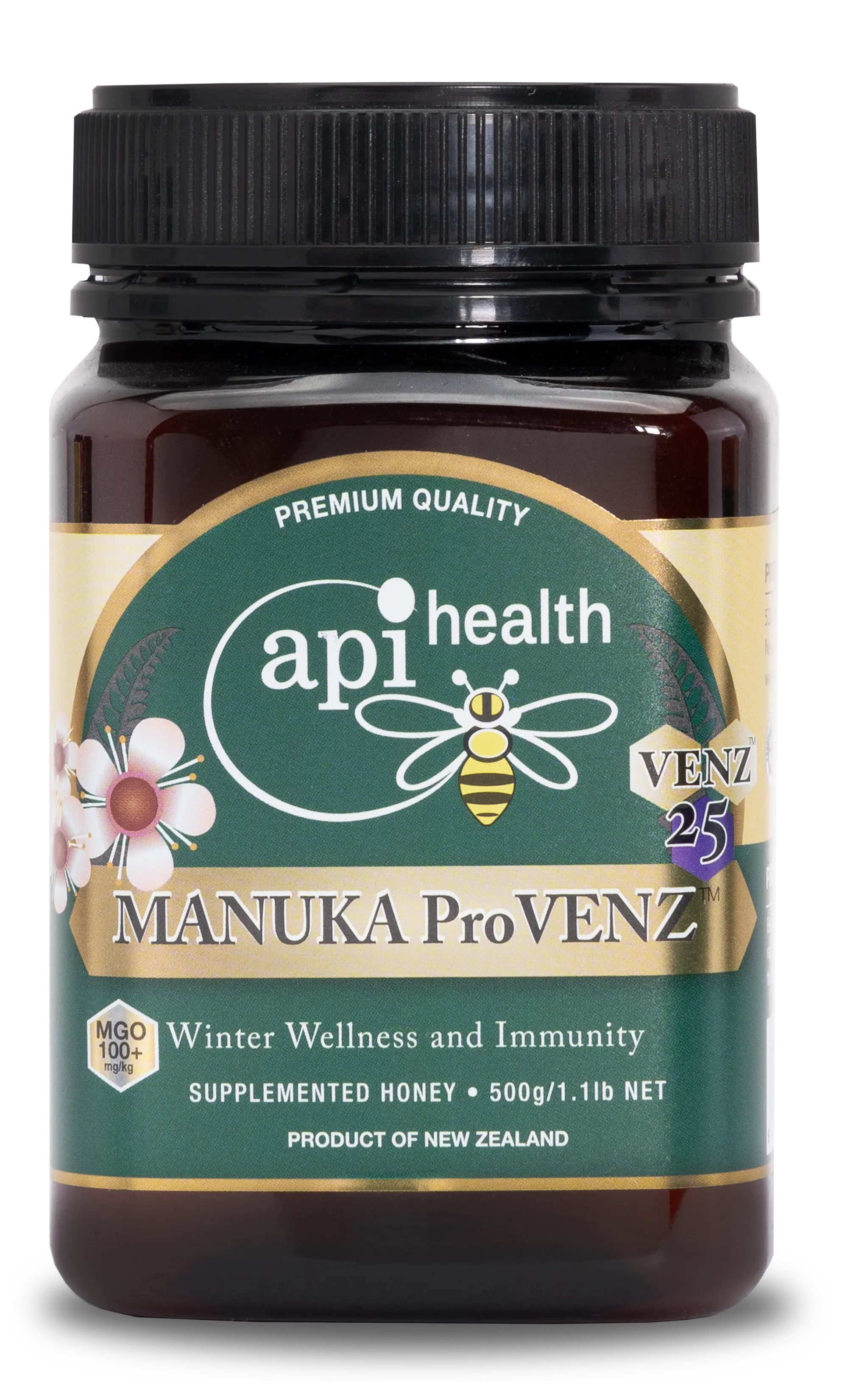
Manuka Provenz™
A Manuka honey formula with propolis and VENZ™ bee venom, crafted to support immune wellbeing, seasonal resilience and everyday vitality.
$25.00
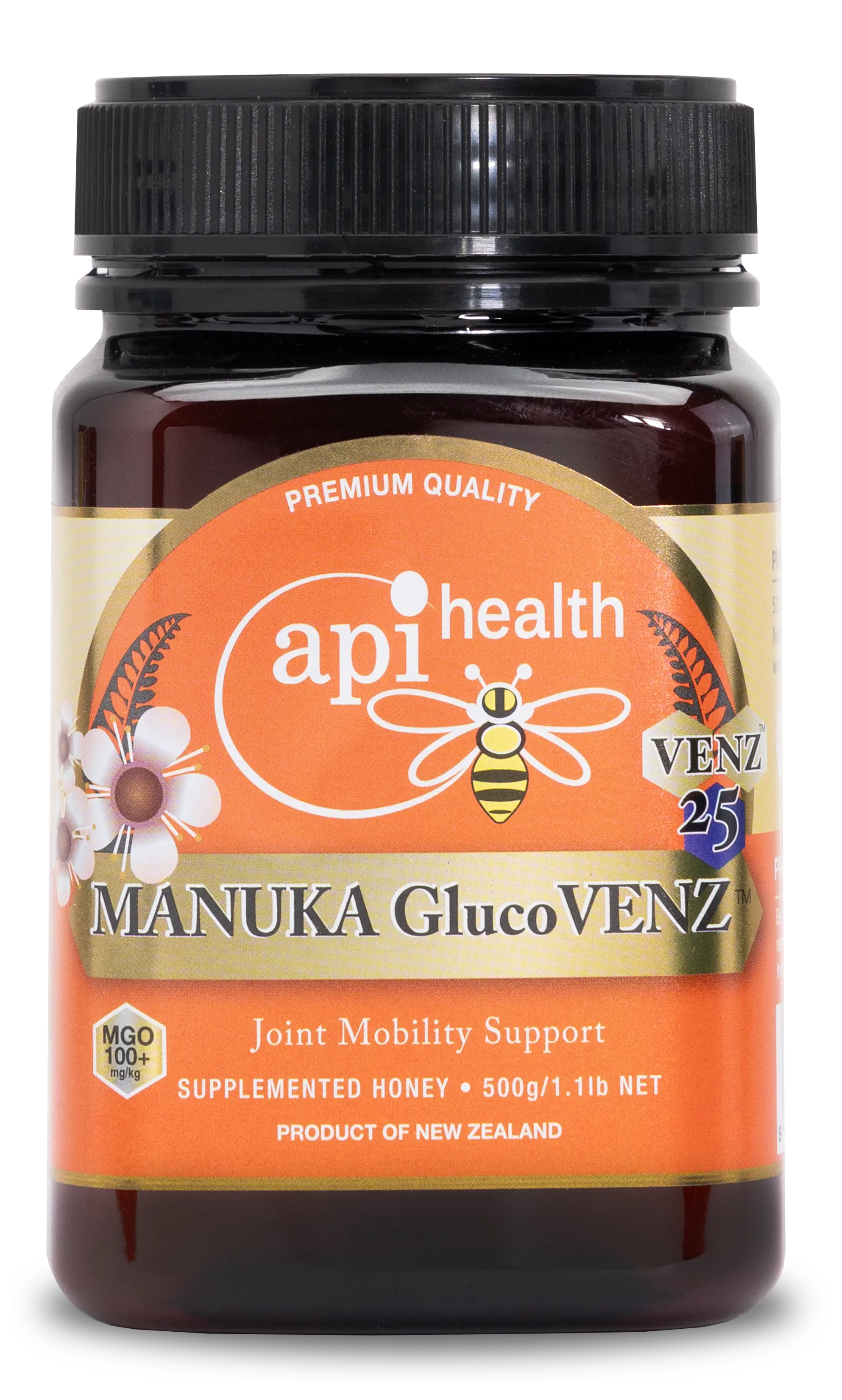
Manuka Glucovenz™
A Manuka honey formula with VENZ™ bee venom and glucosamine, crafted to support joint mobility, flexibility and everyday movement.
$26.00
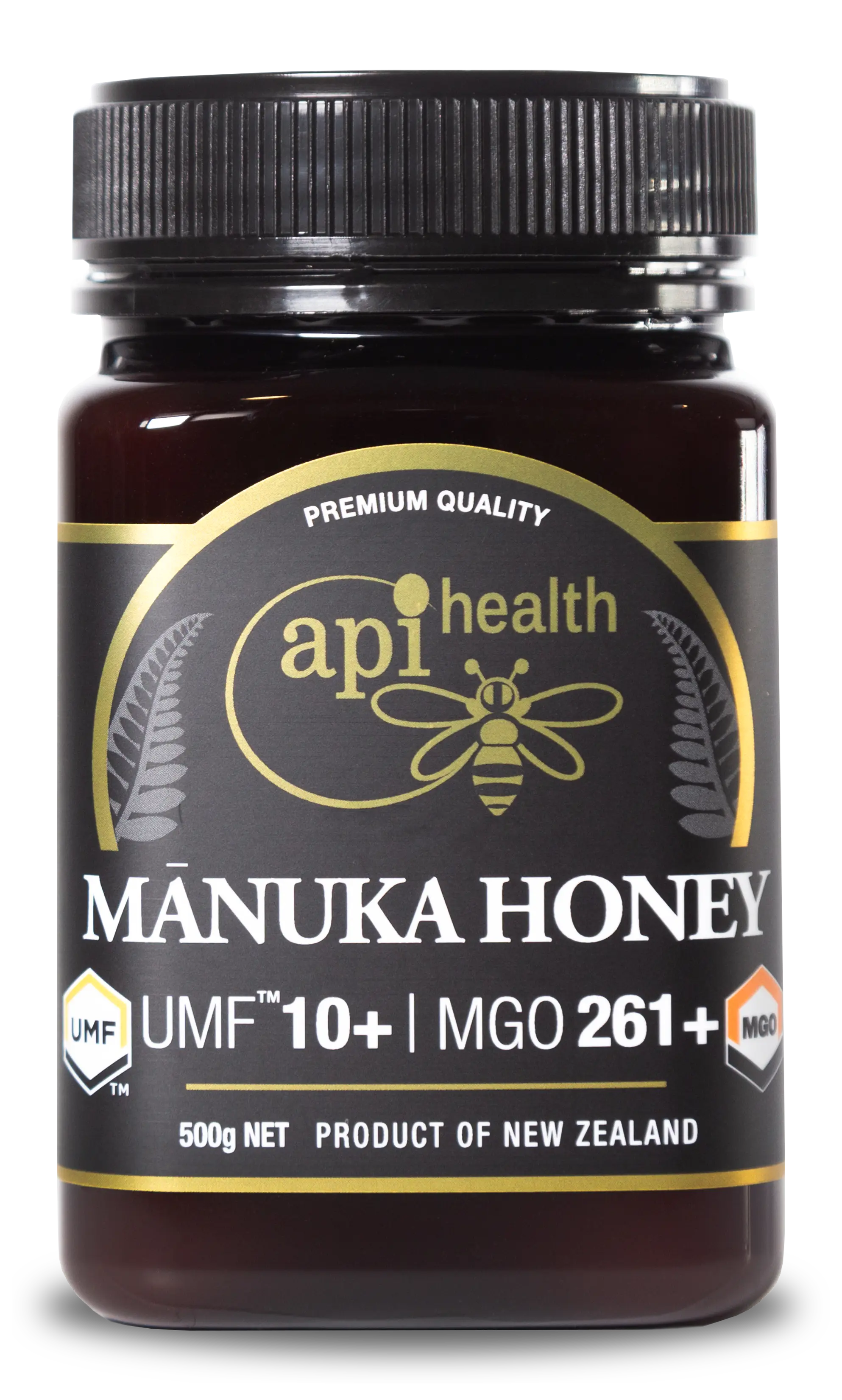
Manuka Honey UMF 10+
Premium New Zealand Manuka honey UMF 10 for everyday wellness and natural support.
$29.00
Related Articles
View all
Tutin Testing in New Zealand Honey: What It Means and How to Read a Lab Certificate
Understand tutin testing in New Zealand honey, the safety limit and lab report symbols. Learn what to check and how it differs from UMF and MGO grading.
Is UMF 10+ Good Enough? When to Upgrade (and When It Is Not)
UMF 10+ is the everyday Manuka grade most people actually need. Here is when stepping up to UMF 15+ or 20+ is worth it, and when an upgrade is just money spent.

Better Together: ApiHealth Product Combinations That Support Your Goals
Some bee products complement each other naturally. Discover five practical ApiHealth combinations for joints, immunity, energy, digestion and skin, and how to build a routine that works.
Shop ApiHealth
Ready to bring the hive home?
Explore our New Zealand-made Manuka honey, VENZ bee venom, propolis and natural wellness range, crafted by our family of beekeepers and researchers.