

Published by Dr. Nikolai Nikolaev
Quick answer: High-UMF Manuka honey usually costs more because it requires stronger tested marker levels, verified origin, and careful handling. It is best for customers who want premium potency and traceability, while lower UMF grades are often enough for daily food use.
Yes: higher UMF Manuka honey is worth the price if you're buying it for health benefits. The MGO concentration in UMF 15+ is roughly double that of UMF 10+, and UMF 20+ is more than triple. These aren't marketing tiers, they reflect independently verified lab results showing genuinely higher concentrations of bioactive compounds. The price premium reflects scarcity, mandatory testing, and real potency differences.
Manuka honey is one of the most expensive honeys in the world. A jar of UMF 20+ can cost 3-5 times more than UMF 5+. Is that justified, or are you just paying for a number on a label? Let's look at the actual data.
This article is educational and is not a substitute for medical advice. Always follow product labels and speak with a qualified health professional for personal health concerns.
What You're Actually Paying For
1. More Active Compound: Verified by Lab
The MGO levels between grades aren't small increments, they're significant jumps:
| UMF Grade | Minimum MGO | MGO Increase vs UMF 5+ | Typical NZD Price Range (250g) |
|---|---|---|---|
| UMF 5+ | 83 mg/kg | Baseline | $20-30 |
| UMF 10+ | 263 mg/kg | 3.2x more MGO | $35-55 |
| UMF 15+ | 514 mg/kg | 6.2x more MGO | $55-85 |
| UMF 20+ | 829 mg/kg | 10x more MGO | $85-140 |
| UMF 25+ | 1200 mg/kg | 14.5x more MGO | $150-250+ |
UMF 20+ contains 10 times more MGO than UMF 5+, but typically costs only 4-5 times more. On a per-milligram-of-MGO basis, higher grades are actually better value.
2. Scarcity
Not all Manuka honey is created equal, even from the same harvest. The UMF grade depends on the natural MGO and DHA levels in the nectar, which vary by:
- Location: remote, pristine areas tend to produce higher-grade honey
- Season: weather during the Manuka flowering season (just 2-6 weeks per year) dramatically affects nectar quality
- Hive management: how quickly honey is harvested and processed affects DHA-to-MGO conversion
Only a small fraction of each harvest reaches UMF 15+ or above. UMF 20+ is genuinely rare. UMF 25+ is extremely limited. The price reflects real supply constraints, not artificial scarcity.
3. Mandatory Testing Costs
Every UMF-graded batch must be independently tested by an accredited laboratory. This means:
- Sample collection and chain of custody
- Four-marker chemical analysis (MGO, DHA, leptosperin, HMF)
- Lab fees per batch (not per jar, but small-batch producers bear higher per-jar costs)
- UMFHA licensing and annual audit fees
These costs exist regardless of the grade, but higher-grade batches are smaller (due to scarcity), so the testing cost per jar is proportionally higher.
When Higher Grades Are Worth It
- Sore throats and respiratory issues: UMF 15+ delivers meaningfully stronger antibacterial action than UMF 10+. The higher MGO concentration makes a real difference for acute use. See our sore throat guide
- Digestive health: higher MGO levels are more effective against gut pathogens like H. pylori
- Wound care, clinical wound care uses medical-grade Manuka honey with high MGO for a reason, stronger antibacterial action
- Short-term intensive use: if you're using Manuka honey to address a specific health issue, a higher grade for a shorter period may be more cost-effective than a lower grade over longer
When Lower Grades Make More Sense
- Daily table honey: if you're using it on toast, in cooking, or as a sweetener, UMF 5+ is perfectly fine and far more economical
- General daily wellness: UMF 10+ provides genuine health benefits at a sustainable daily cost
- Cooking and baking: heat degrades MGO, so using high-grade honey in cooking wastes its therapeutic value. Use UMF 5+ for cooking, save the good stuff for direct consumption
- Budgeting for regular use: a jar of UMF 10+ taken consistently will serve you better than a jar of UMF 20+ used sparingly because of cost
The Smart Buying Strategy
Many of our customers keep two jars:
- UMF 10+ for daily use: a teaspoon each morning for general wellness and immune support
- UMF 15+ or 20+ on standby: for sore throats, cold season, digestive issues, or when they need stronger therapeutic support
This gives you the best of both worlds: consistent daily benefits without breaking the budget, plus high-potency honey available when you need it most.
How to Know It's Worth It: Verify the Lab Data
The ultimate test of whether you're getting what you pay for is the lab certificate. At ApiHealth, every jar has a batch number you can enter on our certificate verification page to view the actual Hill Laboratories test results.
The certificate shows the exact MGO, DHA, leptosperin, and HMF levels for your batch, not marketing claims, but independently measured data. If a producer can't show you this, question whether the grade on the label is accurate.
Related ApiHealth Guides
Frequently Asked Questions
Is UMF 20+ twice as effective as UMF 10+?
It contains more than three times the MGO (829+ vs 263+), so its antibacterial activity is significantly stronger. Whether that translates to "twice as effective" depends on what you're using it for. For sore throats and acute issues, the higher potency makes a noticeable difference. For daily wellness maintenance, UMF 10+ is already effective.
Why does the same UMF grade vary in price between brands?
Factors include jar size, brand positioning, sourcing costs, packaging quality, and retail markup. However, the actual honey quality at the same UMF grade should be comparable, because the grade is independently verified by lab testing, not set by the brand. Always check for UMF certification and batch traceability regardless of price.
Is UMF 25+ worth the premium over UMF 20+?
For most people, no. The practical difference in daily wellness use between UMF 20+ (MGO 829+) and UMF 25+ (MGO 1200+) is minimal. UMF 25+ is extremely rare and priced accordingly, it's a premium product for collectors or those who want the absolute maximum available. UMF 20+ delivers excellent high-potency benefits at a more accessible price.
Can I just buy cheap Manuka honey and use more of it?
Technically, consuming more UMF 5+ gives you more total honey, but the MGO concentration per teaspoon is still low. You'd need to eat several tablespoons of UMF 5+ to approach the MGO in one teaspoon of UMF 15+. For therapeutic purposes, a smaller amount of higher-grade honey is more effective and practical than large quantities of lower-grade honey.
The Bottom Line
Higher UMF grades contain genuinely higher concentrations of bioactive compounds, verified by independent lab testing, not marketing. The price reflects real scarcity, mandatory testing, and measurable potency. For wellness use, the premium is justified. For daily table use, lower grades are a smart, cost-effective choice.
Browse our UMF Manuka Honey range: from UMF 5+ to UMF 20+, every jar independently tested with verifiable batch certificates.

About the author
Dr. Nikolai Nikolaev
Founder & Lead Researcher, ApiHealth NZ
Dr. Nikolai Nikolaev founded ApiHealth in New Zealand and has spent more than 25 years researching bee-derived health products. He pioneered the company’s patented VENZ bee venom collection technology and leads its work on apitherapy, Manuka honey and propolis.
More about the ApiHealth teamKey Ingredients
Featured Products
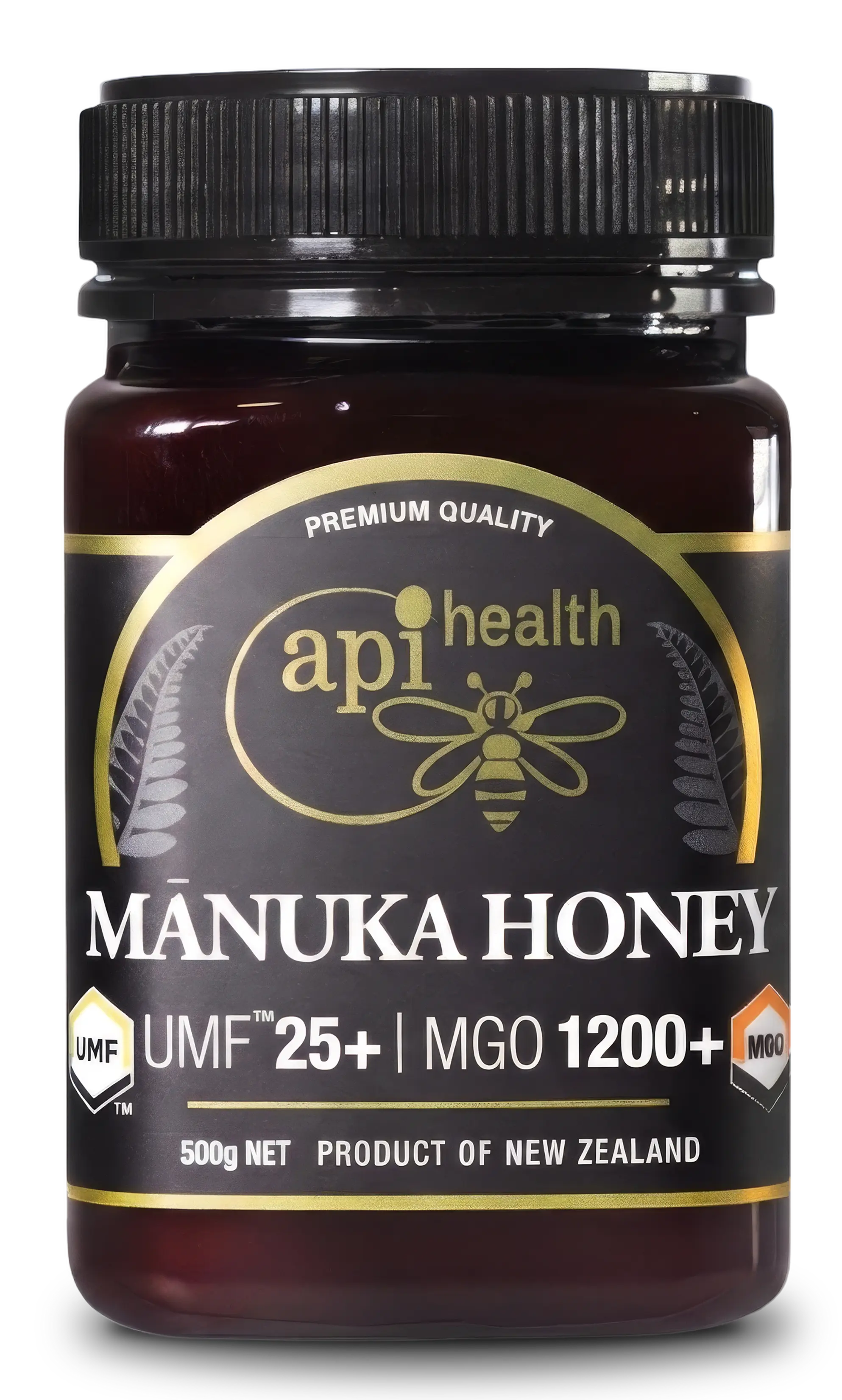
Manuka Honey UMF 25+
Premium New Zealand Manuka honey UMF 25 for everyday wellness and natural support.
$300.00
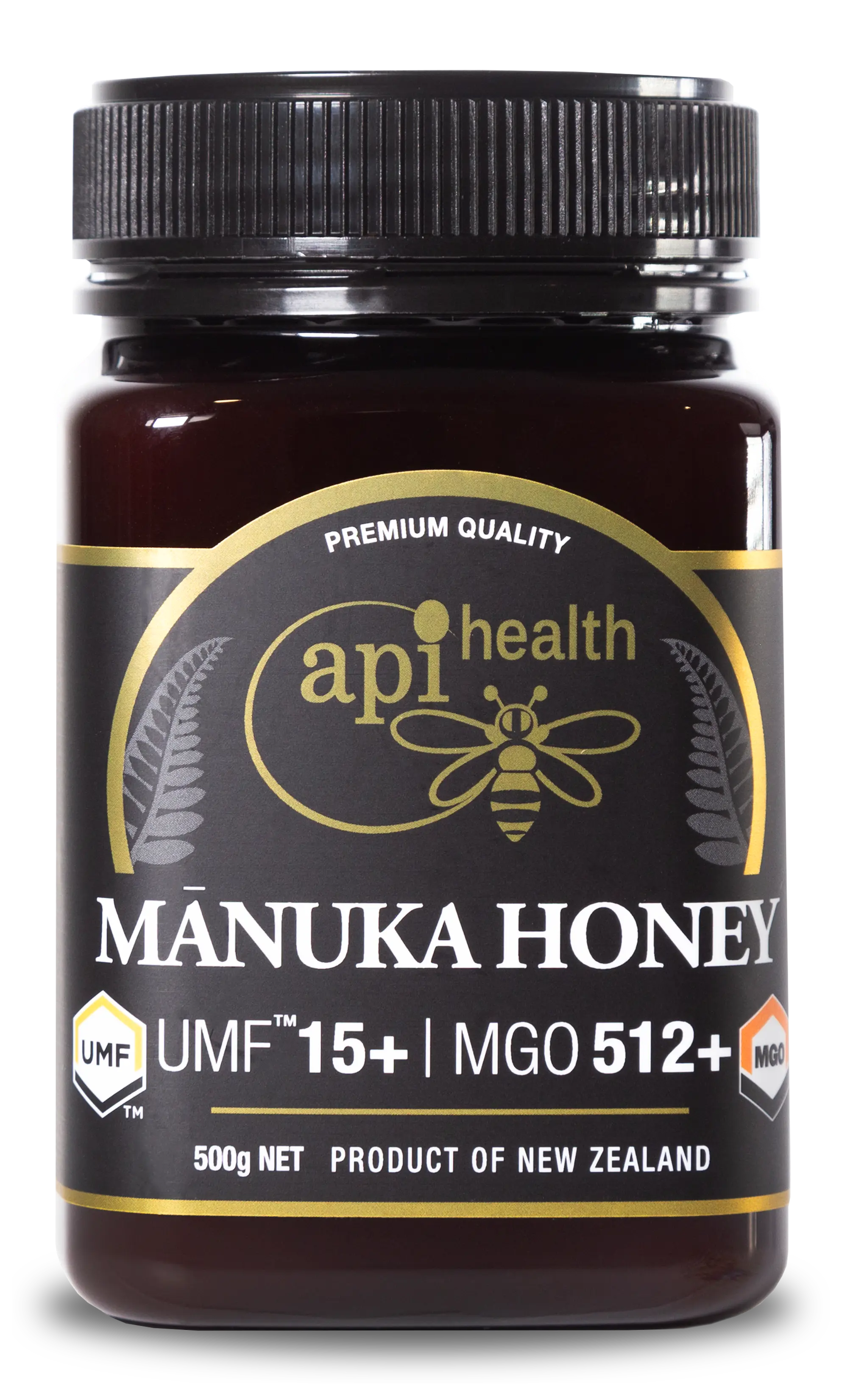
Manuka Honey UMF 15+
Premium New Zealand Manuka honey UMF 15 for everyday wellness and natural support.
$70.00
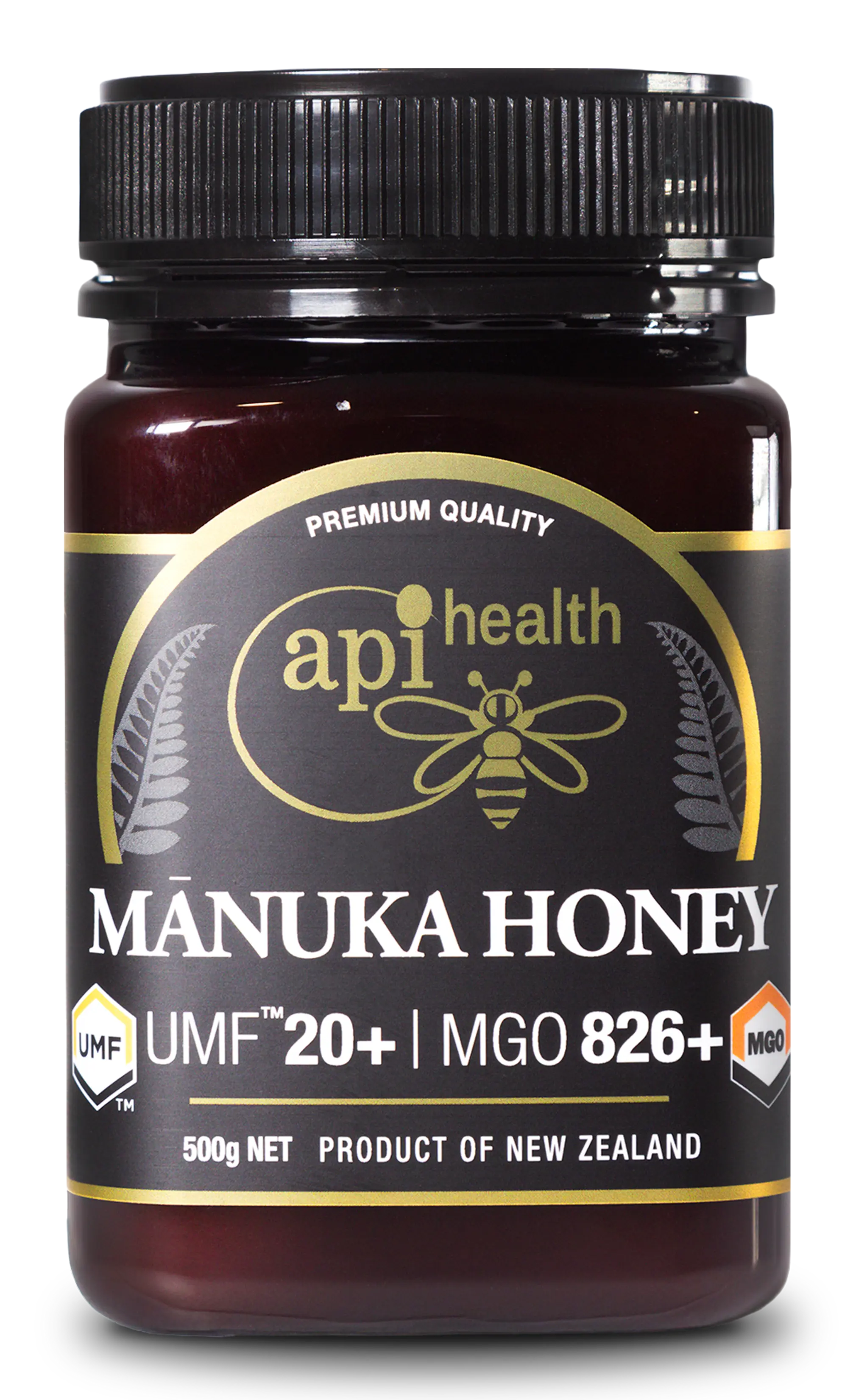
Manuka Honey UMF 20+
Premium New Zealand Manuka honey UMF 20 for everyday wellness and natural support.
$75.00
Related Articles
View all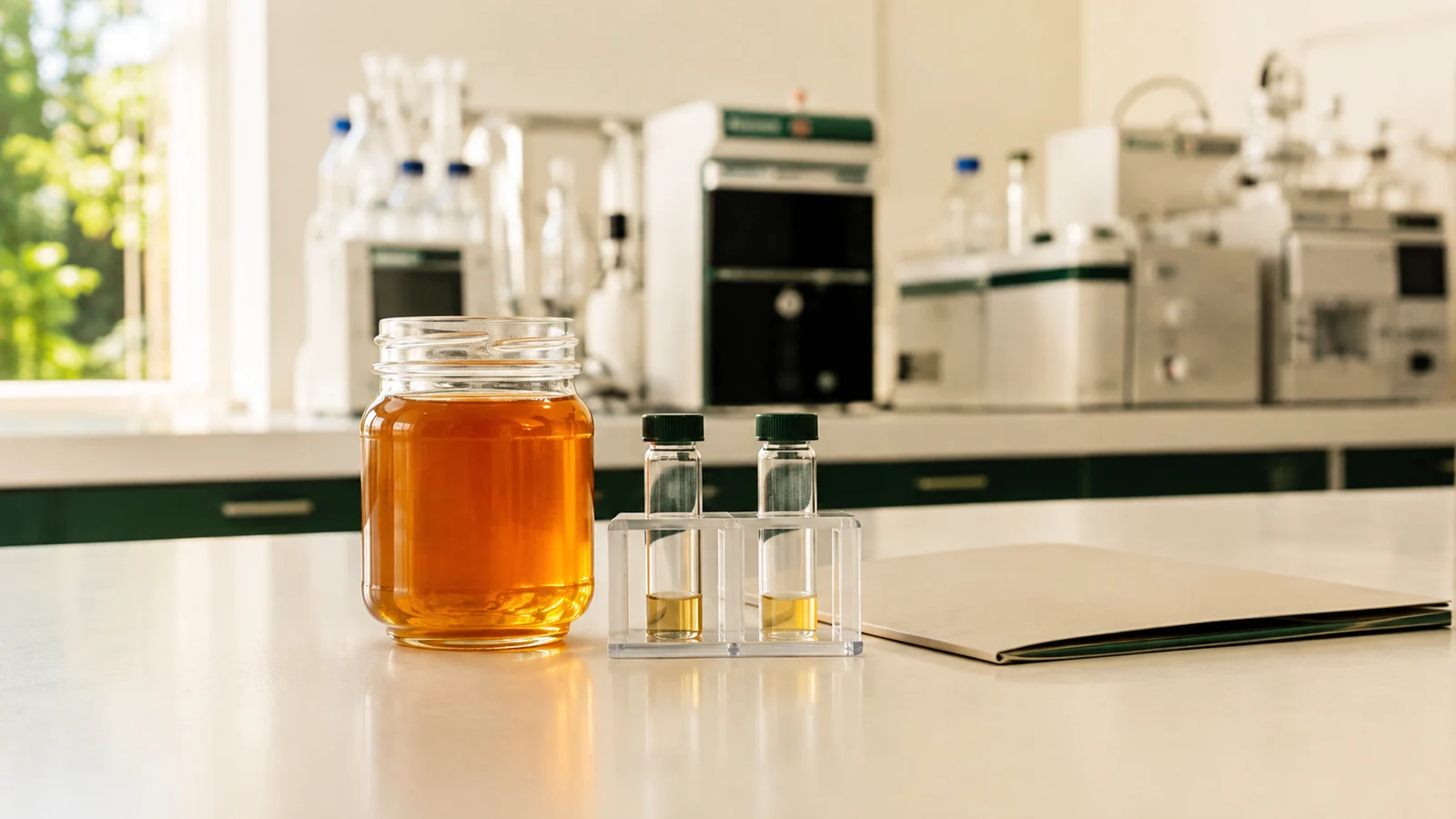
Tutin Testing in New Zealand Honey: What It Means and How to Read a Lab Certificate
Understand tutin testing in New Zealand honey, the safety limit and lab report symbols. Learn what to check and how it differs from UMF and MGO grading.
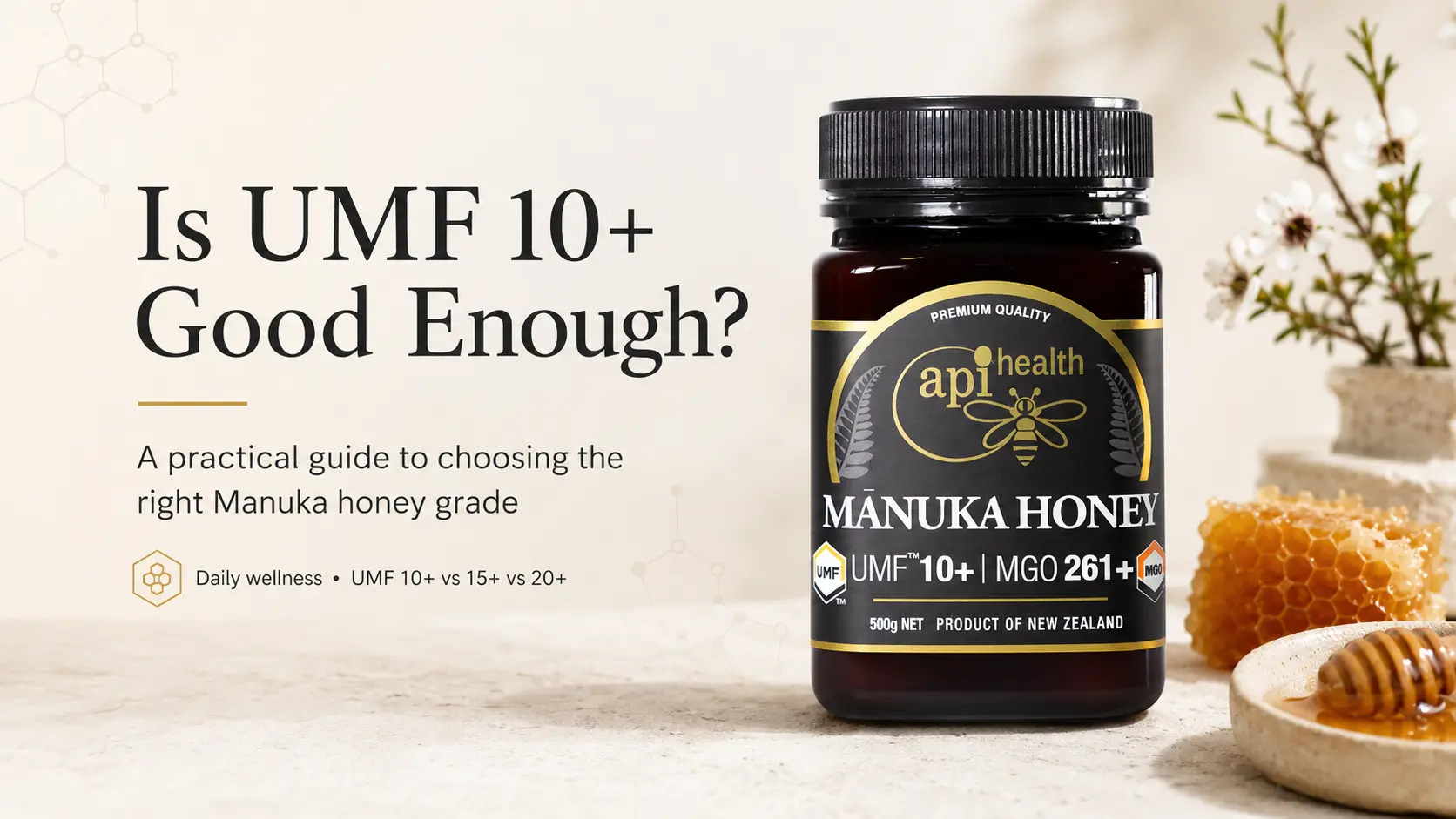
Is UMF 10+ Good Enough? When to Upgrade (and When It Is Not)
UMF 10+ is the everyday Manuka grade most people actually need. Here is when stepping up to UMF 15+ or 20+ is worth it, and when an upgrade is just money spent.
Better Together: ApiHealth Product Combinations That Support Your Goals
Some bee products complement each other naturally. Discover five practical ApiHealth combinations for joints, immunity, energy, digestion and skin, and how to build a routine that works.
Shop ApiHealth
Ready to bring the hive home?
Explore our New Zealand-made Manuka honey, VENZ bee venom, propolis and natural wellness range, crafted by our family of beekeepers and researchers.
