
Published by Dr. Tatiana Nikolaeva
Manuka honey benefits skin through three mechanisms: its MGO content kills acne-causing bacteria, its inflammatory-response-supporting compounds reduce redness and irritation, and its natural humectant properties draw moisture into the skin. These properties make it effective for acne, eczema, minor wound healing, and anti-ageing skincare.
Manuka honey has been used in clinical wound care in hospitals, it's not just a wellness trend. The same properties that make it effective for medical-grade wound healing also benefit everyday skincare. Here's what the science says and how to use it.
This article is educational and is not a substitute for medical advice. Always follow product labels and speak with a qualified health professional for personal health concerns.
Why Manuka Honey Works for Skin
Antibacterial Action (MGO)
The methylglyoxal (MGO) in Manuka honey is effective against Cutibacterium acnes (formerly Propionibacterium acnes), the primary bacteria responsible for inflammatory acne. Unlike harsh chemical acne treatments, Manuka honey fights bacteria without stripping the skin's natural moisture barrier or disrupting the skin microbiome.
Supporting a Normal Inflammatory Response
Manuka honey reduces inflammation in skin tissue by modulating inflammatory cytokines. For conditions like eczema, rosacea, and irritated skin, this means less redness, less swelling, and less itching. This inflammatory-response-supporting effect also supports faster healing of existing blemishes.
Natural Humectant
Honey is a natural humectant, it draws moisture from the air into the skin. Manuka honey's thick consistency creates an occlusive layer that locks this moisture in while simultaneously delivering its bioactive compounds. The result is deeply hydrated, plump skin.
pH-Balanced
Manuka honey has a naturally acidic pH (around 3.5-4.5), which closely matches healthy skin's pH (4.5-5.5). This makes it gentle enough for sensitive skin while maintaining an environment that discourages bacterial growth.
Wound Healing and Cell Regeneration
Manuka honey promotes wound healing by maintaining a moist healing environment, providing antibacterial protection, and stimulating tissue regeneration. Medical-grade Manuka honey (Medihoney) is used in hospitals worldwide for wound care, the same science applies to everyday skin repair.
Skin Conditions Manuka Honey Can Help With
Acne
Manuka honey addresses acne through multiple pathways: killing C. acnes bacteria, reducing the inflammation that makes breakouts red and painful, and promoting healing of existing spots without scarring. It's particularly useful for people with sensitive skin who can't tolerate harsh chemical treatments.
How to use: Apply raw UMF 15+ Manuka honey as a face mask for 15-20 minutes, 2-3 times per week. Rinse with warm water. Or use a skincare product formulated with Manuka honey for daily use.
Eczema and Dermatitis
The inflammatory response support and moisturising properties of Manuka honey can help manage eczema flare-ups. It reduces itching and redness while repairing the damaged skin barrier. Studies have shown Manuka honey can improve eczema symptoms when used as a topical treatment.
How to use: Apply a thin layer of raw Manuka honey or a Manuka-based balm to affected areas. Leave for 20-30 minutes, then rinse gently. Patch test on a small area first.
Anti-Ageing
Manuka honey supports anti-ageing through hydration, antioxidant protection, and mild stimulation of collagen production. Regular use can improve skin texture, reduce fine lines caused by dehydration, and give a natural glow. Combined with bee venom, which stimulates blood flow and collagen synthesis, the effect is amplified.
How to use: Use a Manuka honey face mask weekly, or incorporate a Manuka and bee venom skincare cream into your daily routine. Our skincare range combines both ingredients.
Minor Wounds and Scars
Manuka honey's clinical wound-healing properties extend to everyday cuts, scrapes, and minor burns. It keeps the wound moist (promoting faster healing), helps maintain a clean skin environment (antibacterial MGO), and supports clean tissue regeneration that may reduce scarring.
How to use: Apply raw UMF 15+ Manuka honey directly to clean, minor wounds. Cover with a bandage. Reapply daily until healed.
Manuka Honey vs Common Skincare Ingredients
| Manuka Honey | Salicylic Acid | Benzoyl Peroxide | Hyaluronic Acid | |
|---|---|---|---|---|
| Antibacterial | Yes (MGO) | Mild | Strong | No |
| inflammatory response support | Yes | Yes | No (can irritate) | No |
| Moisturising | Yes (humectant) | No (can dry) | No (drying) | Yes (humectant) |
| Gentle on sensitive skin | Yes | Moderate | No | Yes |
| Wound healing | Yes | No | No | No |
Manuka honey's advantage is that it's multi-functional, antibacterial, inflammatory response support, AND moisturising in one ingredient. Most conventional acne treatments sacrifice moisture for antibacterial action.
Choosing the Right Product
- For face masks: Raw UMF 15+ Manuka honey straight from the jar works beautifully
- For daily skincare: A formulated cream or serum with Manuka honey ensures the right concentration and better absorption
- For anti-ageing: Look for products that combine Manuka honey with bee venom, the combination addresses hydration, bacteria, inflammation, and collagen stimulation
- For wound care: Use raw UMF 15+ or above directly on minor wounds
ApiHealth's skincare range combines Manuka honey with bee venom and other bee-derived ingredients, specifically formulated for skin application.
Frequently Asked Questions
Can I put Manuka honey directly on my face?
Yes. Raw Manuka honey is safe for direct skin application. Apply a thin layer as a face mask, leave for 15-20 minutes, and rinse with warm water. Its natural pH is compatible with skin, and it won't clog pores (it's actually anti-comedogenic due to its antibacterial properties).
What UMF grade is best for skincare?
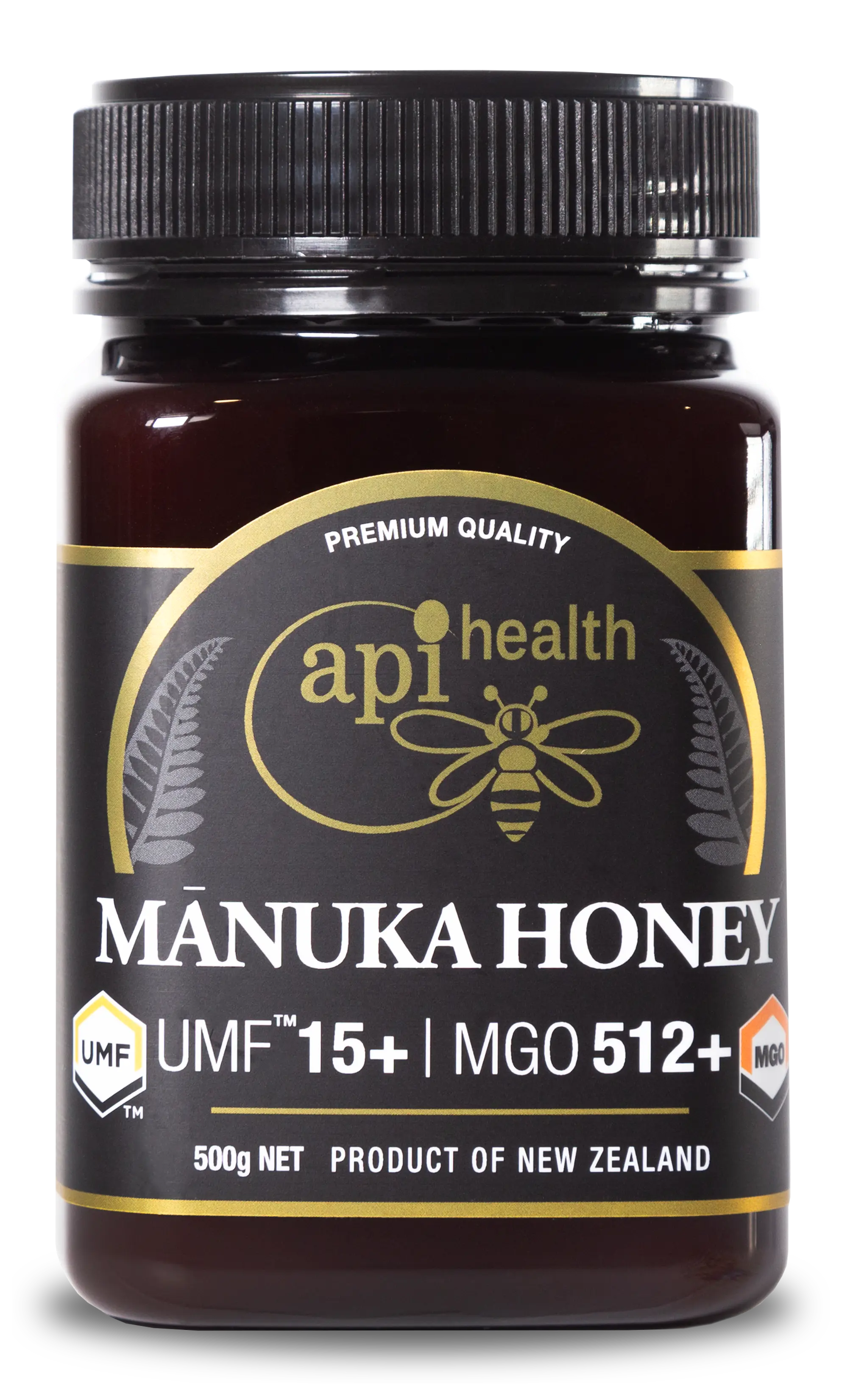
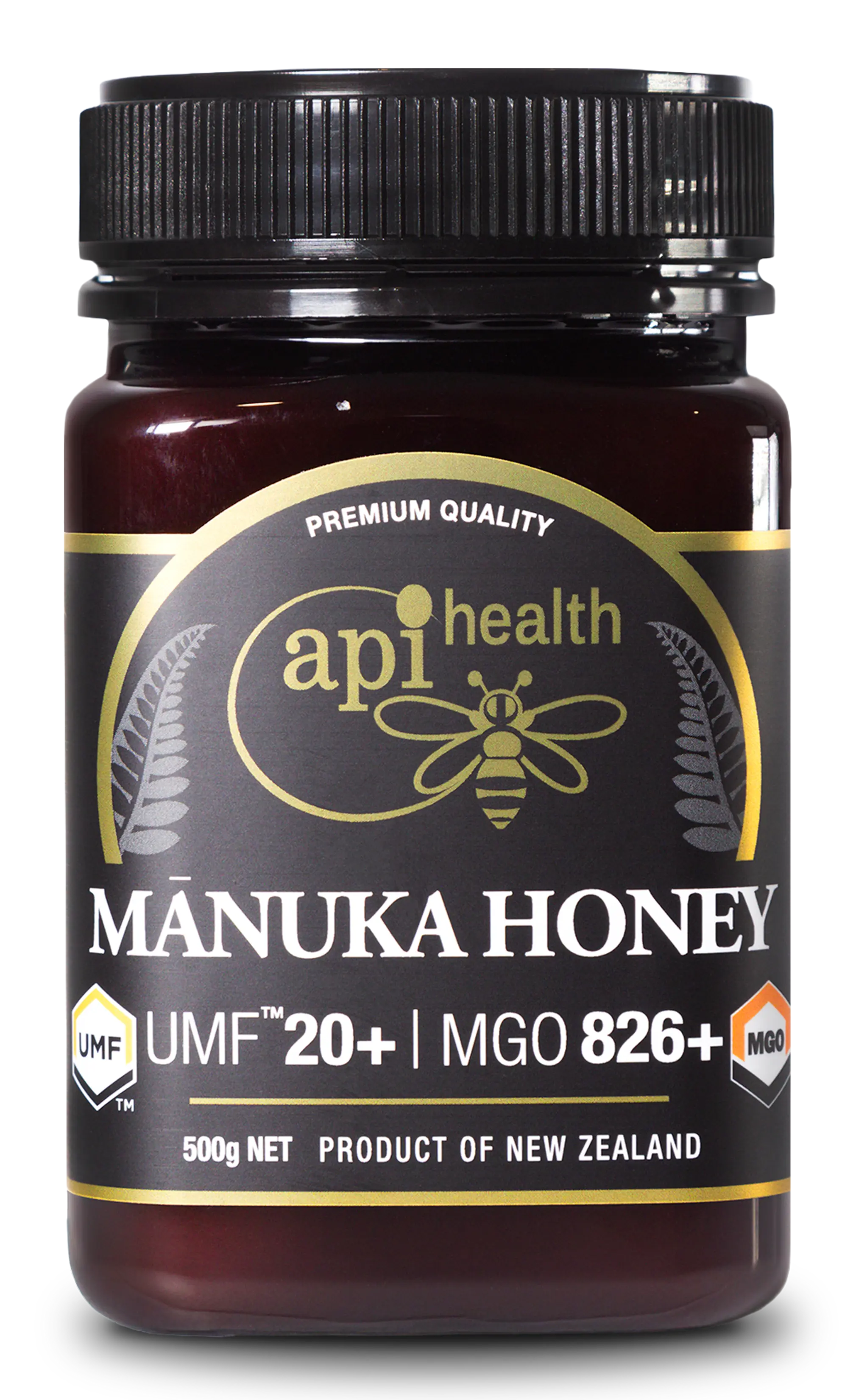
UMF 15+ (MGO 514+) is the recommended minimum for therapeutic skin benefits. UMF 10+ will provide some benefit, but the higher MGO in 15+ delivers stronger antibacterial and inflammatory-response-supporting action.
Can Manuka honey help with acne scars?
It can help with fresh scars and post-inflammatory hyperpigmentation by supporting healthy cell turnover and reducing inflammation. For deep, established scarring, it's less effective, those typically require dermatological treatments. However, using Manuka honey during the healing phase of acne can help prevent scarring in the first place.
Is Manuka honey better than regular honey for skin?
Yes, for therapeutic purposes. Regular honey has some moisturising and mild antibacterial benefits (from hydrogen peroxide), but Manuka's MGO provides additional, stable antibacterial activity that regular honey lacks. For treating acne, eczema, or wounds, Manuka honey is significantly more effective.
Can I use Manuka honey with other skincare products?
Yes. Manuka honey plays well with most skincare ingredients. Use it as a mask step before your regular routine, or choose formulated products that already combine it with complementary ingredients. Avoid using it immediately after strong chemical exfoliants (AHAs/BHAs), as freshly exfoliated skin may be more sensitive.
The Bottom Line
Manuka honey is a multi-functional skincare ingredient backed by clinical wound-care research, antibacterial, inflammatory response support, and deeply moisturising in one natural product. Whether you use raw honey as a mask or a formulated skincare product, UMF 15+ delivers the therapeutic benefit.
Explore our Manuka & Bee Venom skincare range: formulated with New Zealand Manuka honey and VENZ bee venom for comprehensive skin health.
About the author
Dr. Tatiana Nikolaeva
Co-founder & Product Researcher, ApiHealth NZ
Dr. Tatiana Nikolaeva works alongside the ApiHealth research team in New Zealand, focusing on natural formulations across the company’s bee-derived wellness and skincare ranges. She writes on Manuka honey, bee pollen and everyday natural wellness.
More about the ApiHealth teamFeatured Products
Related Articles
View all
Tutin Testing in New Zealand Honey: What It Means and How to Read a Lab Certificate
Understand tutin testing in New Zealand honey, the safety limit and lab report symbols. Learn what to check and how it differs from UMF and MGO grading.
Is UMF 10+ Good Enough? When to Upgrade (and When It Is Not)
UMF 10+ is the everyday Manuka grade most people actually need. Here is when stepping up to UMF 15+ or 20+ is worth it, and when an upgrade is just money spent.
How to Store Manuka Honey and Honey the Right Way
Store Manuka honey and everyday honey in a cool, dark cupboard with the lid sealed. Learn what to avoid, how to fix crystals, and how to protect UMF quality.
Shop ApiHealth
Ready to bring the hive home?
Explore our New Zealand-made Manuka honey, VENZ bee venom, propolis and natural wellness range, crafted by our family of beekeepers and researchers.
