
Published by Dr. Tatiana Nikolaeva
Quick answer: Manuka honey is valued for digestive wellness because it contains MGO and other natural compounds from New Zealand Manuka nectar. It should be used as a food-based wellness support, not as a replacement for medical care.
This article is educational and is not a substitute for medical advice. Always follow product labels and speak with a qualified health professional for personal health concerns.
Why Manuka Honey Is Different for Digestive Health
All honey has some antibacterial properties, but Manuka honey stands apart because of one compound: methylglyoxal (MGO). This naturally occurring substance is formed from dihydroxyacetone (DHA) found in the nectar of New Zealand's native Leptospermum scoparium tree. MGO gives Manuka honey a stable, non-peroxide antibacterial activity that persists even after digestion, something regular honey cannot do.
For gut health specifically, this matters because MGO remains active as it passes through the stomach and into the digestive tract, where it can interact with harmful bacteria and support the stomach lining.
What the Research Says About Manuka Honey and H. pylori
Helicobacter pylori is a bacteria that infects over half the world's population. It's a leading cause of gastric ulcers, chronic gastritis, and in some cases, stomach cancer. The search for natural compounds that can support conventional treatment has led researchers to Manuka honey.
Laboratory Evidence
A landmark study published in the Journal of the Royal Society of Medicine (al Somal et al., 1994) found that a 5% solution of Manuka honey completely inhibited H. pylori growth in all seven clinical isolates tested. Importantly, regular honey with only hydrogen peroxide activity showed no effect, confirming that Manuka's MGO-driven activity is what makes the difference.
More recent research published in Archives of Medical Research (Wang et al., 2016) revealed the molecular mechanism: Manuka honey inhibits H. pylori-induced NF-κB and AP-1 activation in gastric cells, essentially blocking the inflammatory pathways the bacteria triggers. This suggests Manuka honey works not just by killing bacteria, but by reducing the inflammatory damage they cause.
Another Pathway: Urease Inhibition
H. pylori survives in the acidic stomach by producing urease, an enzyme that neutralises stomach acid. A study in Food Chemistry (Atrott et al., 2017) demonstrated that MGO and DHA in Manuka honey inhibit urease activity in a dose-dependent manner. This could make the stomach environment less hospitable for H. pylori, supporting its elimination alongside conventional treatment.
Clinical Reality
It's important to be transparent: while laboratory results are promising, clinical trials have shown mixed results. A study in the Saudi Journal of Gastroenterology found that adding Manuka honey to standard triple antibiotic therapy did not significantly improve H. pylori eradication rates. This means Manuka honey should be viewed as a supportive measure alongside medical treatment, not a replacement for it.
Beyond H. pylori: How Manuka Honey Supports Everyday Digestion
Soothing the Stomach Lining
Manuka honey has a thick, viscous consistency that can coat and soothe the stomach lining. Traditional use and emerging research suggest it may help reduce inflammation in the gut, providing relief from occasional discomfort after meals.
Prebiotic Effects
Honey contains oligosaccharides, complex sugars that can act as prebiotics, feeding beneficial bacteria in the gut. A healthy microbiome is essential for proper digestion, nutrient absorption, and immune function. While research on Manuka honey's specific prebiotic effects is still developing, its natural sugar composition may support beneficial gut flora.
Supporting a Normal Inflammatory Response
Chronic low-grade inflammation in the gut is linked to conditions like irritable bowel syndrome (IBS) and inflammatory bowel disease. Manuka honey's inflammatory-response-supporting compounds, including phenolic acids and flavonoids, may help modulate this inflammatory response, though more clinical studies are needed.
Which UMF Grade Is Best for Gut Health?
Not all Manuka honey provides the same level of digestive support. The MGO concentration matters:
- UMF 5+ (MGO 83+): Suitable for daily wellness and general dietary use
- UMF 10+ (MGO 263+): Good for everyday immune and digestive support
- UMF 15+ (MGO 514+): Recommended for targeted digestive support
- UMF 20+ (MGO 829+): High-potency option for more intensive gut health protocols
- UMF 25+ (MGO 1200+): Premium grade with the strongest antibacterial activity
For digestive health specifically, research suggests that MGO 400+ and above (approximately UMF 13+) demonstrates the most consistent antibacterial activity. Our UMF 15+ and UMF 20+ grades are popular choices among customers focused on gut health.
How to Use Manuka Honey for Digestive Support
Timing
For gut health benefits, consume Manuka honey 30 to 60 minutes before meals on an empty stomach. This allows the honey to coat the stomach lining before food arrives, maximising contact with the digestive tract.
Dosage
A common approach supported by traditional use is 1 to 2 teaspoons (5-10ml) of raw Manuka honey, taken 1 to 3 times daily. You can take it straight from the spoon or dissolved in warm (not hot) water. Avoid boiling water, as excessive heat can reduce enzyme activity.
Duration
If using Manuka honey as part of a digestive wellness routine, consistency is key. Many people incorporate it into their daily diet as an ongoing practice. If using it alongside medical treatment for a specific condition, continue throughout the treatment course and for 2 to 4 weeks afterward to support gut healing.
Important Considerations
- Not a medicine: Manuka honey should not replace prescribed treatment for diagnosed digestive conditions. Always consult your healthcare provider.
- Diabetics: Honey is a natural sugar. People with diabetes should monitor blood sugar levels and consult their doctor before regular use.
- Infants: Never give honey of any kind to children under 12 months due to the risk of infant botulism.
- Quality matters: Look for independently tested UMF-certified Manuka honey to ensure you're getting genuine, verified potency.
The Bottom Line
Manuka honey offers a unique combination of antibacterial, inflammatory response support, and soothing properties that make it a compelling natural support for digestive health. While it's not a supports for gut conditions, the scientific evidence, from H. pylori inhibition to urease blocking to inflammatory-response-supporting pathways, shows real potential as part of a broader approach to digestive wellness.
The key is choosing a genuine, high-potency Manuka honey (UMF 15+ or higher for gut-specific benefits) and using it consistently as part of a healthy diet.
Related ApiHealth Guides
About the author
Dr. Tatiana Nikolaeva
Co-founder & Product Researcher, ApiHealth NZ
Dr. Tatiana Nikolaeva works alongside the ApiHealth research team in New Zealand, focusing on natural formulations across the company’s bee-derived wellness and skincare ranges. She writes on Manuka honey, bee pollen and everyday natural wellness.
More about the ApiHealth teamKey Ingredients
Featured Products
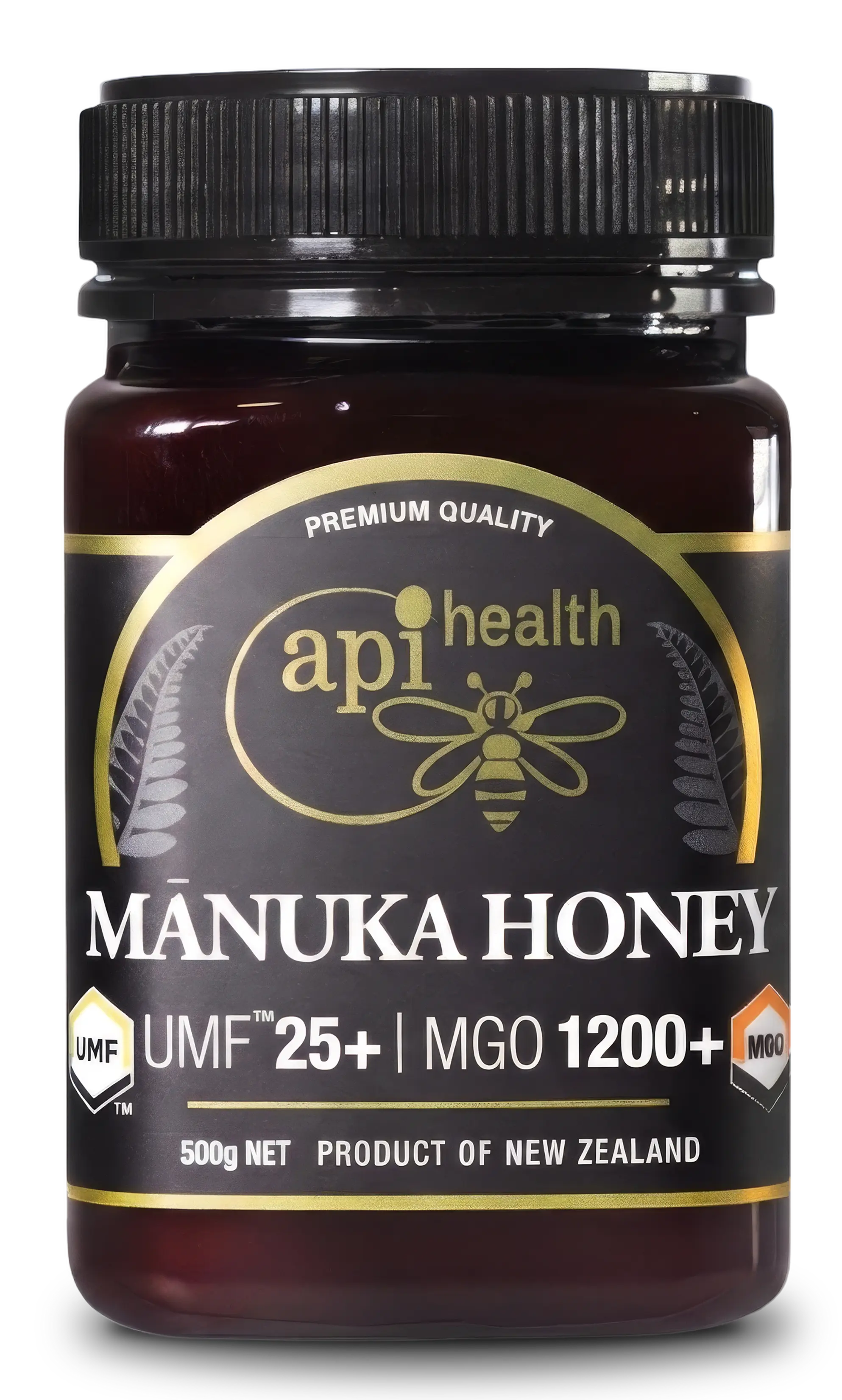
Manuka Honey UMF 25+
Premium New Zealand Manuka honey UMF 25 for everyday wellness and natural support.
$300.00
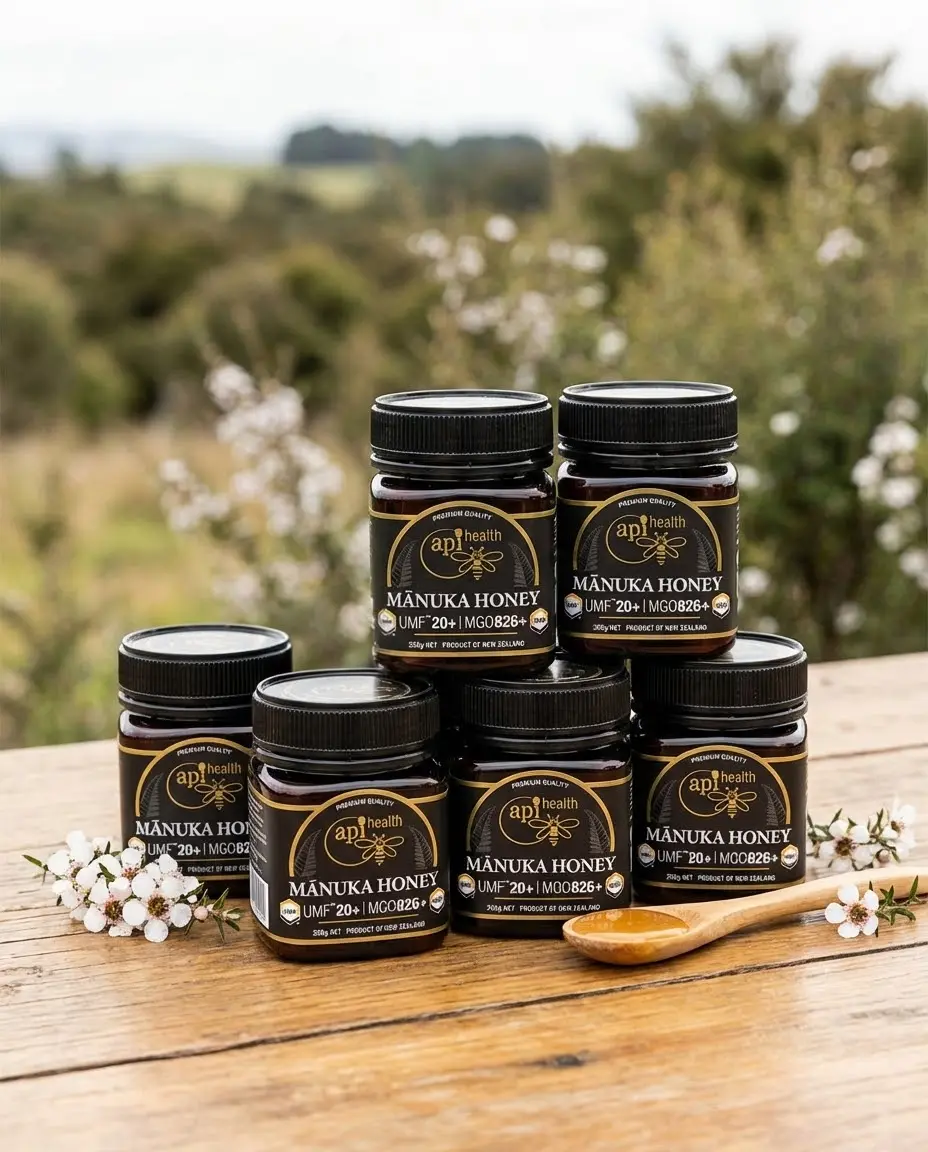
Manuka Honey UMF 20+ 6 Pack
Premium New Zealand Manuka honey UMF 20 for everyday wellness and natural support.
$450.00
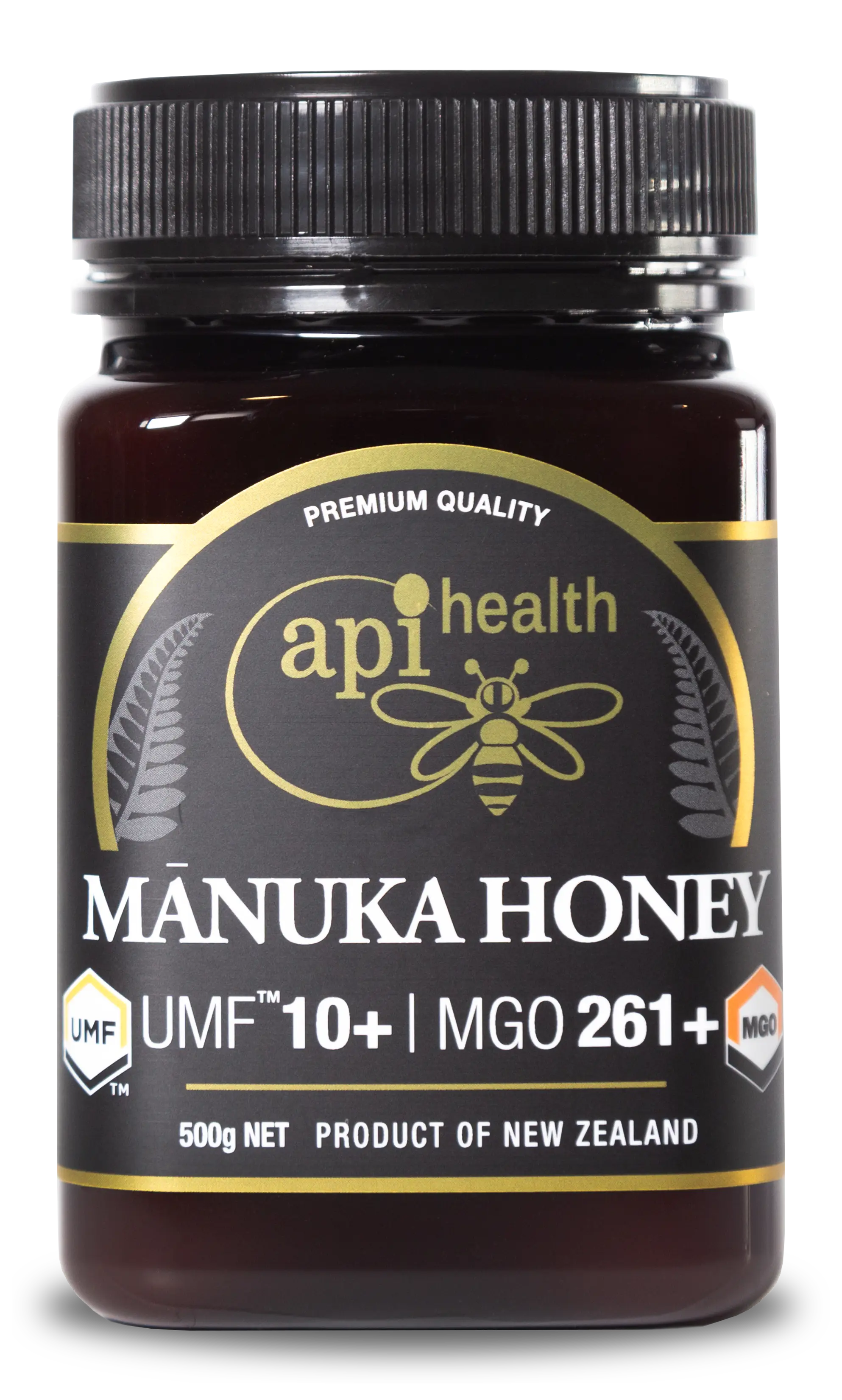
Manuka Honey UMF 10+
Premium New Zealand Manuka honey UMF 10 for everyday wellness and natural support.
$29.00
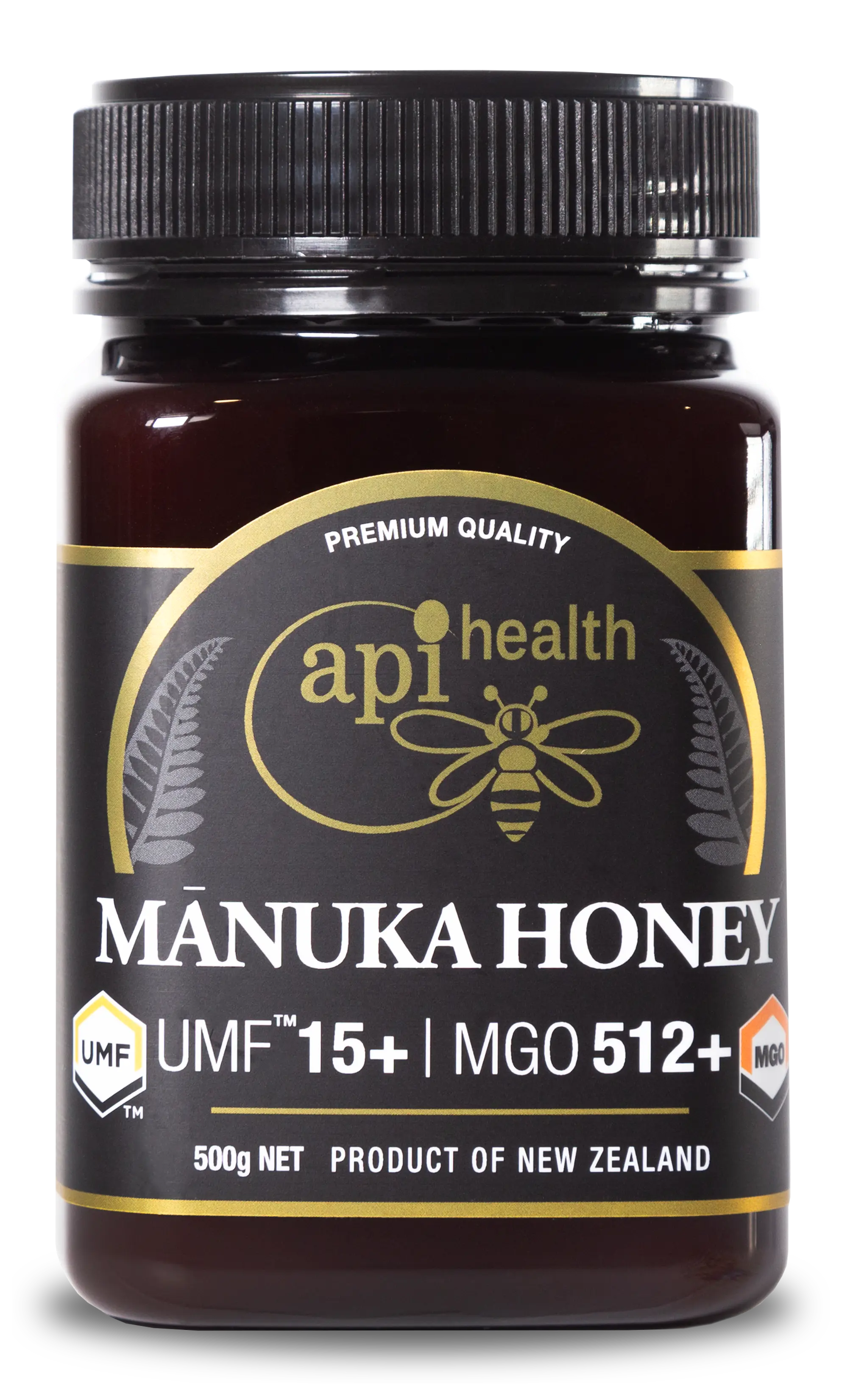
Manuka Honey UMF 15+
Premium New Zealand Manuka honey UMF 15 for everyday wellness and natural support.
$70.00
Related Articles
View all
Tutin Testing in New Zealand Honey: What It Means and How to Read a Lab Certificate
Understand tutin testing in New Zealand honey, the safety limit and lab report symbols. Learn what to check and how it differs from UMF and MGO grading.
Is UMF 10+ Good Enough? When to Upgrade (and When It Is Not)
UMF 10+ is the everyday Manuka grade most people actually need. Here is when stepping up to UMF 15+ or 20+ is worth it, and when an upgrade is just money spent.
How to Store Manuka Honey and Honey the Right Way
Store Manuka honey and everyday honey in a cool, dark cupboard with the lid sealed. Learn what to avoid, how to fix crystals, and how to protect UMF quality.
Shop ApiHealth
Ready to bring the hive home?
Explore our New Zealand-made Manuka honey, VENZ bee venom, propolis and natural wellness range, crafted by our family of beekeepers and researchers.
